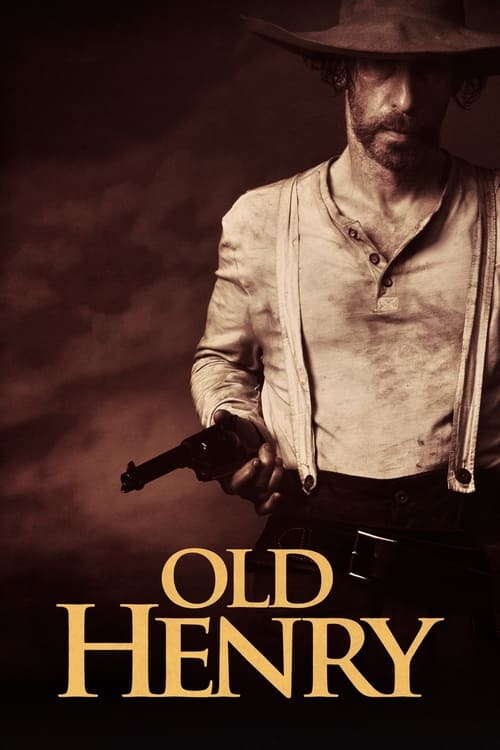
Old Henry
A widowed farmer and his son warily take in a mysterious, injured man with a satchel of cash. When a posse of men claiming to be the law come for the money, the farmer must decide who to trust. Defending a siege of his homestead, the farmer reveals a talent for gun-slinging that surprises everyone calling his true identity into question.
The film financial setback against its small-scale budget of $1.5M, earning $77K globally (-95% loss). While initial box office returns were modest, the film has gained appreciation for its compelling narrative within the western genre.
3 wins & 1 nomination


Plot Structure
Story beats plotted across runtime


Narrative Arc
Emotional journey through the story's key moments
Story Circle
Blueprint 15-beat structure
Arcplot Score Breakdown
Weighted: Precision (70%) + Arc (15%) + Theme (15%)
Old Henry (2021) demonstrates meticulously timed dramatic framework, characteristic of Potsy Ponciroli's storytelling approach. This structural analysis examines how the film's 15-point plot structure maps to proven narrative frameworks across 1 hour and 39 minutes. With an Arcplot score of 7.1, the film balances conventional beats with creative variation.
Structural Analysis
The Status Quo at 1 minutes (1% through the runtime) establishes Henry and his son Wyatt work their isolated Oklahoma farm in 1906. Henry is overprotective and secretive, keeping his son sheltered from the outside world. An aging widower living a quiet life of deliberate anonymity.. The analysis reveals that this early placement immediately immerses viewers in the story world.
The inciting incident occurs at 13 minutes when Henry discovers a wounded man named Curry lying in a creek bed with a satchel full of money. Despite every instinct telling him to stay uninvolved, he cannot leave a dying man. He brings Curry back to the farm.. At 13% through the film, this Disruption is delayed, allowing extended setup of the story world. This beat shifts the emotional landscape, launching the protagonist into the central conflict.
The First Threshold at 25 minutes marks the transition into Act II, occurring at 26% of the runtime. This reveals the protagonist's commitment to Men claiming to be lawmen arrive at the farm led by Ketchum, searching for Curry. Henry makes the choice to lie and hide Curry, committing himself to the conflict. He cannot go back to his anonymous life now., moving from reaction to action.
At 50 minutes, the Midpoint arrives at 50% of the runtime—precisely centered, creating perfect narrative symmetry. Significantly, this crucial beat Henry learns the truth: Ketchum and his men are not lawmen but outlaws. Curry is actually a deputy sheriff. The stakes escalate dramatically as Henry realizes he's been dealing with dangerous criminals who will kill everyone to get the money. False defeat - the situation is far worse than imagined., fundamentally raising what's at risk. The emotional intensity shifts, dividing the narrative into clear before-and-after phases.
The Collapse moment at 74 minutes (74% through) represents the emotional nadir. Here, Ketchum's men breach the farmhouse. Curry is killed defending them. Henry is shot and wounded. Wyatt is captured. Everything Henry built - his peaceful life, his anonymity, his ability to protect his son through avoidance - has collapsed. Death surrounds him., reveals the protagonist at their lowest point. This beat's placement in the final quarter sets up the climactic reversal.
The Second Threshold at 80 minutes initiates the final act resolution at 81% of the runtime. Henry retrieves his hidden gun - a relic from his past life. He makes the decision to become who he once was. The revelation crystallizes: Henry is Billy the Kid, who faked his death decades ago. He will use his legendary skills one final time to save his son., demonstrating the transformation achieved throughout the journey.
Emotional Journey
Old Henry's emotional architecture traces a deliberate progression across 15 carefully calibrated beats.
Narrative Framework
This structural analysis employs systematic plot point analysis that identifies crucial turning points. By mapping Old Henry against these established plot points, we can identify how Potsy Ponciroli utilizes or subverts traditional narrative conventions. The plot point approach reveals not only adherence to structural principles but also creative choices that distinguish Old Henry within the western genre.
Potsy Ponciroli's Structural Approach
Among the 2 Potsy Ponciroli films analyzed on Arcplot, the average structural score is 7.1, reflecting strong command of classical structure. Old Henry exemplifies the director's characteristic narrative technique. For comparative analysis, explore the complete Potsy Ponciroli filmography.
Comparative Analysis
Additional western films include All the Pretty Horses, Shenandoah and Lone Star. For more Potsy Ponciroli analyses, see Greedy People.
Plot Points by Act
Act I
SetupStatus Quo
Henry and his son Wyatt work their isolated Oklahoma farm in 1906. Henry is overprotective and secretive, keeping his son sheltered from the outside world. An aging widower living a quiet life of deliberate anonymity.
Theme
Wyatt challenges his father about their isolated existence, asking why they live so far from everyone. Henry deflects, but the theme emerges: you can't run from who you are forever.
Worldbuilding
The isolated farm life is established. Henry's overprotective nature toward Wyatt, their strained relationship, and the deliberate distance from civilization. Henry refuses to teach Wyatt to shoot properly, keeping him dependent and ignorant of the dangers Henry knows too well.
Disruption
Henry discovers a wounded man named Curry lying in a creek bed with a satchel full of money. Despite every instinct telling him to stay uninvolved, he cannot leave a dying man. He brings Curry back to the farm.
Resistance
Henry debates what to do with Curry. Wyatt wants to help; Henry wants to stay uninvolved. Henry tends to Curry's wounds while wrestling with whether to turn him in, keep the money, or simply wait for him to heal and leave. The mysterious stranger serves as a reluctant guide into the coming conflict.
Act II
ConfrontationFirst Threshold
Men claiming to be lawmen arrive at the farm led by Ketchum, searching for Curry. Henry makes the choice to lie and hide Curry, committing himself to the conflict. He cannot go back to his anonymous life now.
Mirror World
Curry begins to recover and talks with Henry and Wyatt. He represents the world Henry left behind - violence, notoriety, and living by the gun. Curry's presence forces Henry to confront his buried identity and serves as a mirror showing what Henry could still become.
Premise
A tense cat-and-mouse game unfolds. Henry navigates between the suspicious "lawmen" and the recovering Curry. The promise of the premise delivers: a mysterious farmer with hidden skills trying to protect his family while keeping his secrets. Small moments hint at Henry's unusual competence.
Midpoint
Henry learns the truth: Ketchum and his men are not lawmen but outlaws. Curry is actually a deputy sheriff. The stakes escalate dramatically as Henry realizes he's been dealing with dangerous criminals who will kill everyone to get the money. False defeat - the situation is far worse than imagined.
Opposition
Ketchum's gang tightens the noose. They grow more aggressive and suspicious. Henry tries to protect Wyatt while keeping his identity hidden. The outlaws' patience wears thin. Violence becomes inevitable as the siege mentality takes hold. Henry's careful anonymity begins to crack under pressure.
Collapse
Ketchum's men breach the farmhouse. Curry is killed defending them. Henry is shot and wounded. Wyatt is captured. Everything Henry built - his peaceful life, his anonymity, his ability to protect his son through avoidance - has collapsed. Death surrounds him.
Crisis
Wounded and seemingly defeated, Henry faces his darkest moment. His son is in the hands of killers. His friend is dead. The peaceful farmer persona can no longer save anyone. Henry must choose: die as the anonymous Henry, or reveal who he truly is.
Act III
ResolutionSecond Threshold
Henry retrieves his hidden gun - a relic from his past life. He makes the decision to become who he once was. The revelation crystallizes: Henry is Billy the Kid, who faked his death decades ago. He will use his legendary skills one final time to save his son.
Synthesis
Billy the Kid emerges. Henry systematically and ruthlessly eliminates Ketchum's gang with the deadly precision of the legendary outlaw he once was. He combines the protective father he became with the killer he was born to be. The synthesis of identities allows him to save Wyatt and end the threat permanently.
Transformation
With the outlaws dead, Henry and Wyatt survive. Wyatt now knows his father's true identity. Henry is no longer hiding - he has integrated his past with his present. The closing image shows a transformed relationship: father and son united by truth rather than separated by secrets.