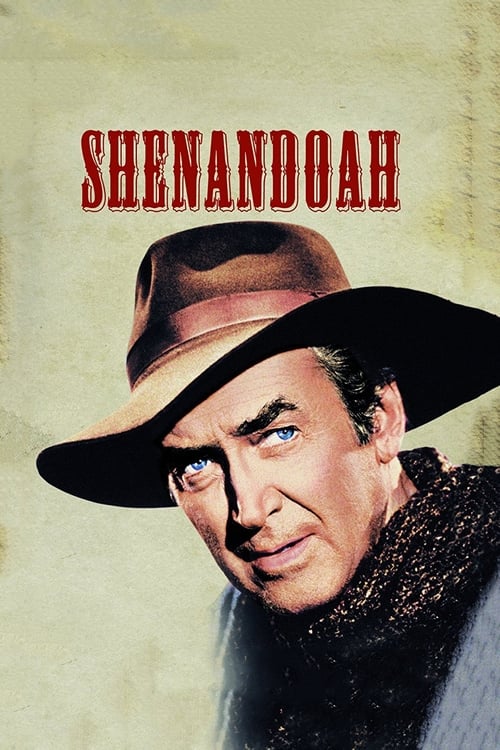
Shenandoah
Charlie Anderson, a farmer in Shenandoah, Virginia, finds himself and his family in the middle of the Civil War he wants nothing to do with. When his youngest boy is taken prisoner by the North, the Civil War is forced upon him.
The film earned $17.3M at the global box office.
Nominated for 1 Oscar. 3 nominations


Plot Structure
Story beats plotted across runtime


Narrative Arc
Emotional journey through the story's key moments
Story Circle
Blueprint 15-beat structure
Arcplot Score Breakdown
Weighted: Precision (70%) + Arc (15%) + Theme (15%)
Shenandoah (1965) exemplifies deliberately positioned narrative design, characteristic of Andrew V. McLaglen's storytelling approach. This structural analysis examines how the film's 15-point plot structure maps to proven narrative frameworks across 1 hour and 45 minutes. With an Arcplot score of 7.1, the film balances conventional beats with creative variation.
Characters
Cast & narrative archetypes

Charlie Anderson
James Anderson
Jennie Anderson
Sam
Boy Anderson
Jacob Anderson
Nathan Anderson
John Anderson
Ann Anderson
Main Cast & Characters
Charlie Anderson
Played by James Stewart
A widowed Virginia farmer who refuses to take sides in the Civil War, fiercely protective of his family and land.
James Anderson
Played by Patrick Wayne
Charlie's eldest son, who eventually defies his father to join the Confederate army.
Jennie Anderson
Played by Rosemary Forsyth
Charlie's daughter and the family's moral center, married to Sam.
Sam
Played by Doug McClure
Jennie's husband, a minister who struggles with pacifism during wartime.
Boy Anderson
Played by Phillip Alford
Charlie's youngest son, captured by Union soldiers and sets the plot in motion.
Jacob Anderson
Played by Glenn Corbett
One of Charlie's sons, loyal to his father and the family farm.
Nathan Anderson
Played by Charles Robinson
Another of Charlie's sons, helps manage the farm and supports the family.
John Anderson
Played by James McMullan
One of Charlie's sons, works alongside his brothers on the farm.
Ann Anderson
Played by Katharine Ross
Charlie's teenage daughter, represents the innocence threatened by war.
Structural Analysis
The Status Quo at 2 minutes (2% through the runtime) establishes Charlie Anderson oversees his prosperous Shenandoah Valley farm with his six sons and daughter, living in peaceful isolation from the Civil War raging around them. The family works in harmony, embodying self-sufficient pastoral life.. Notably, this early placement immediately immerses viewers in the story world.
The inciting incident occurs at 15 minutes when Confederate Lieutenant Sam arrives to ask permission to marry Jennie. Charlie reluctantly agrees to a quick wedding before Sam must return to duty. This begins pulling the family into the war's orbit despite Charlie's resistance.. At 14% through the film, this Disruption is delayed, allowing extended setup of the story world. This beat shifts the emotional landscape, launching the protagonist into the central conflict.
The First Threshold at 30 minutes marks the transition into Act II, occurring at 29% of the runtime. This illustrates the protagonist's commitment to Boy is mistakenly captured by Union soldiers while hunting. Despite his protests that he's not a Confederate soldier, he's taken prisoner. Charlie's neutrality is shattered - he makes the active choice to leave the farm and search for his son, entering the world of war he tried to avoid., moving from reaction to action.
At 55 minutes, the Midpoint arrives at 52% of the runtime—precisely centered, creating perfect narrative symmetry. Structural examination shows that this crucial beat The family splits up to search different areas. What seems like a logical strategy becomes a false victory - they're now vulnerable and scattered. The stakes raise dramatically as each group faces dangerous confrontations with soldiers from both armies., fundamentally raising what's at risk. The emotional intensity shifts, dividing the narrative into clear before-and-after phases.
The Collapse moment at 75 minutes (71% through) represents the emotional nadir. Here, Jacob dies from his wounds - the "whiff of death" made literal. Charlie must face that his son is dead, another is critically wounded, Boy is still missing, and their neutrality meant nothing. His philosophy of non-involvement has failed catastrophically., indicates the protagonist at their lowest point. This beat's placement in the final quarter sets up the climactic reversal.
The Second Threshold at 85 minutes initiates the final act resolution at 81% of the runtime. Despite unbearable losses, Charlie synthesizes a new understanding: he cannot change the past or control the war, but he can still fight for what remains. He refuses to give up on Boy. The family regroups with renewed determination, fundamentally changed but not broken., demonstrating the transformation achieved throughout the journey.
Emotional Journey
Shenandoah's emotional architecture traces a deliberate progression across 15 carefully calibrated beats.
Narrative Framework
This structural analysis employs a 15-point narrative structure framework that maps key story moments. By mapping Shenandoah against these established plot points, we can identify how Andrew V. McLaglen utilizes or subverts traditional narrative conventions. The plot point approach reveals not only adherence to structural principles but also creative choices that distinguish Shenandoah within the western genre.
Andrew V. McLaglen's Structural Approach
Among the 4 Andrew V. McLaglen films analyzed on Arcplot, the average structural score is 7.2, reflecting strong command of classical structure. Shenandoah takes a more unconventional approach compared to the director's typical style. For comparative analysis, explore the complete Andrew V. McLaglen filmography.
Comparative Analysis
Additional western films include All the Pretty Horses, Lone Star and The Apple Dumpling Gang Rides Again. For more Andrew V. McLaglen analyses, see The Wild Geese, Chisum and McLintock!.
Plot Points by Act
Act I
SetupStatus Quo
Charlie Anderson oversees his prosperous Shenandoah Valley farm with his six sons and daughter, living in peaceful isolation from the Civil War raging around them. The family works in harmony, embodying self-sufficient pastoral life.
Theme
At his wife's grave, someone challenges Charlie's neutrality. Charlie declares: "This war is not our war" - establishing the thematic question of whether one can remain uninvolved when surrounded by conflict.
Worldbuilding
Introduction to the Anderson family structure, Charlie's fierce independence and philosophy of neutrality, the family dynamics between the six sons and daughter Jennie, and the presence of the Civil War at their doorstep. Charlie faces mockery from both sides for refusing to take a stance.
Disruption
Confederate Lieutenant Sam arrives to ask permission to marry Jennie. Charlie reluctantly agrees to a quick wedding before Sam must return to duty. This begins pulling the family into the war's orbit despite Charlie's resistance.
Resistance
Charlie continues asserting neutrality despite increasing pressure. The family attends church where Charlie questions God about his wife's death. Boy, the youngest son, goes hunting alone. The debate intensifies about whether the family can truly stay out of the conflict.
Act II
ConfrontationFirst Threshold
Boy is mistakenly captured by Union soldiers while hunting. Despite his protests that he's not a Confederate soldier, he's taken prisoner. Charlie's neutrality is shattered - he makes the active choice to leave the farm and search for his son, entering the world of war he tried to avoid.
Mirror World
As Charlie and his sons journey into war-torn territory, they encounter devastated communities and refugees. These encounters with other families destroyed by war serve as a mirror, showing Charlie what his philosophy failed to prevent and what he stands to lose.
Premise
The search for Boy takes the Anderson family through the chaos of the Civil War. They navigate between Union and Confederate forces, witness the devastation firsthand, and split up to cover more ground. Charlie's worldview begins cracking as the human cost of war becomes undeniable.
Midpoint
The family splits up to search different areas. What seems like a logical strategy becomes a false victory - they're now vulnerable and scattered. The stakes raise dramatically as each group faces dangerous confrontations with soldiers from both armies.
Opposition
Multiple tragedies compound: Jacob is killed in a skirmish while searching for Boy. James is seriously wounded. Back home, the farm is raided by marauders. The family becomes increasingly scattered and endangered. Everything Charlie tried to protect is crumbling.
Collapse
Jacob dies from his wounds - the "whiff of death" made literal. Charlie must face that his son is dead, another is critically wounded, Boy is still missing, and their neutrality meant nothing. His philosophy of non-involvement has failed catastrophically.
Crisis
Charlie grapples with devastating guilt and grief, questioning whether his stubbornness cost his family everything. The surviving family members are demoralized and traumatized. The dark night of the soul where Charlie confronts the ruins of his convictions.
Act III
ResolutionSecond Threshold
Despite unbearable losses, Charlie synthesizes a new understanding: he cannot change the past or control the war, but he can still fight for what remains. He refuses to give up on Boy. The family regroups with renewed determination, fundamentally changed but not broken.
Synthesis
The family continues their search with new resolve. They eventually locate Boy in a Union prison hospital where he's been wounded and traumatized. They secure his release as the war winds down and begin the journey home, forever changed by their ordeal.
Transformation
The surviving Andersons attend church again. Boy, recovered enough to walk, enters and reunites with his family in a powerful moment. Where the opening showed Charlie in complete control of his isolated world, the closing shows him humbled by loss but grateful for what remains - transformed from certainty to hard-won wisdom.