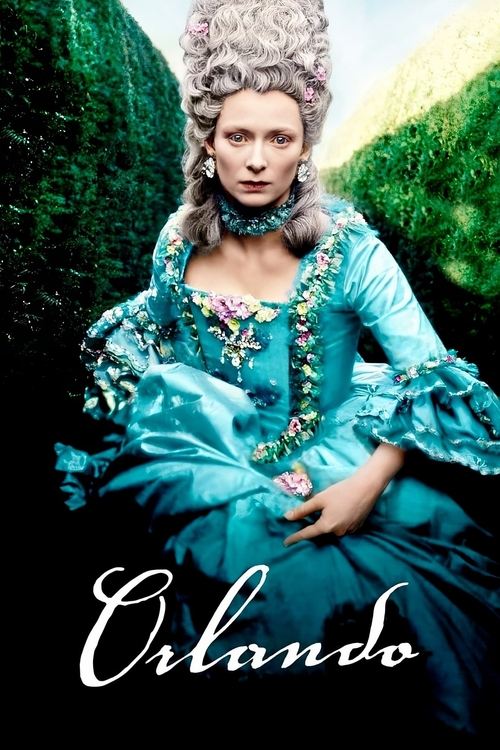
Orlando
England, 1600. Queen Elizabeth I promises Orlando, a young nobleman obsessed with poetry, that she will grant him land and fortune if he agrees to satisfy a very particular request.
Working with a limited budget of $4.0M, the film achieved a steady performer with $5.4M in global revenue (+34% profit margin).
Nominated for 2 Oscars. 15 wins & 11 nominations


Plot Structure
Story beats plotted across runtime


Narrative Arc
Emotional journey through the story's key moments
Story Circle
Blueprint 15-beat structure
Arcplot Score Breakdown
Weighted: Precision (70%) + Arc (15%) + Theme (15%)
Orlando (1992) exhibits carefully calibrated dramatic framework, characteristic of Sally Potter's storytelling approach. This structural analysis examines how the film's 15-point plot structure maps to proven narrative frameworks across 1 hour and 34 minutes. With an Arcplot score of 6.7, the film balances conventional beats with creative variation.
Structural Analysis
The Status Quo at 1 minutes (1% through the runtime) establishes Orlando sits beneath an oak tree in Elizabethan England, a young nobleman favored by the aging Queen Elizabeth I. He breaks the fourth wall to introduce himself: "That is I.".. Of particular interest, this early placement immediately immerses viewers in the story world.
The inciting incident occurs at 11 minutes when Queen Elizabeth I dies, leaving Orlando alone with her gift of eternal youth but no guidance. The chapter "DEATH" ends and Orlando must navigate centuries without his royal protector.. At 12% through the film, this Disruption aligns precisely with traditional story structure. This beat shifts the emotional landscape, launching the protagonist into the central conflict.
The First Threshold at 24 minutes marks the transition into Act II, occurring at 26% of the runtime. This demonstrates the protagonist's commitment to Sasha betrays Orlando by leaving with a Russian sailor as the ice thaws. Heartbroken, Orlando retreats from love entirely and chooses to pursue poetry and literature instead—crossing into a new mode of existence., moving from reaction to action.
At 47 minutes, the Midpoint arrives at 50% of the runtime—precisely centered, creating perfect narrative symmetry. Structural examination shows that this crucial beat Orlando awakens after a mysterious seven-day sleep and discovers she has transformed into a woman. Looking in the mirror, she declares: "Same person. No difference at all. Just a different sex." A false victory of self-acceptance masks the challenges ahead., fundamentally raising what's at risk. The emotional intensity shifts, dividing the narrative into clear before-and-after phases.
The Collapse moment at 70 minutes (74% through) represents the emotional nadir. Here, Orlando loses her court case—her property is forfeit because she is now legally "dead" as a woman who was once a man. Centuries of identity and belonging collapse as Victorian society strips away everything the Queen once granted., illustrates the protagonist at their lowest point. This beat's placement in the final quarter sets up the climactic reversal.
The Second Threshold at 75 minutes initiates the final act resolution at 80% of the runtime. Orlando meets Shelmerdine, an adventurer who accepts her fully. Their mutual recognition—"You're a woman" / "You're a man"—transcends gender binaries. Orlando chooses love and partnership on her own terms., demonstrating the transformation achieved throughout the journey.
Emotional Journey
Orlando's emotional architecture traces a deliberate progression across 15 carefully calibrated beats.
Narrative Framework
This structural analysis employs structural analysis methodology used to understand storytelling architecture. By mapping Orlando against these established plot points, we can identify how Sally Potter utilizes or subverts traditional narrative conventions. The plot point approach reveals not only adherence to structural principles but also creative choices that distinguish Orlando within the drama genre.
Comparative Analysis
Additional drama films include After Thomas, South Pacific and Dirty Dancing: Havana Nights.
Plot Points by Act
Act I
SetupStatus Quo
Orlando sits beneath an oak tree in Elizabethan England, a young nobleman favored by the aging Queen Elizabeth I. He breaks the fourth wall to introduce himself: "That is I."
Theme
Queen Elizabeth I commands Orlando: "Do not fade. Do not wither. Do not grow old." The theme of transcending time, mortality, and fixed identity is established through this supernatural decree.
Worldbuilding
The Elizabethan world is established with its rigid hierarchies, gender roles, and court politics. Orlando receives the Queen's favor, a grand estate, and the command to never grow old—setting up the rules of this fantastical universe.
Disruption
Queen Elizabeth I dies, leaving Orlando alone with her gift of eternal youth but no guidance. The chapter "DEATH" ends and Orlando must navigate centuries without his royal protector.
Resistance
The "LOVE" chapter begins as Orlando falls passionately for the Russian princess Sasha during the Great Frost. He debates abandoning his estate and station for love, mentored only by his own romantic idealism.
Act II
ConfrontationFirst Threshold
Sasha betrays Orlando by leaving with a Russian sailor as the ice thaws. Heartbroken, Orlando retreats from love entirely and chooses to pursue poetry and literature instead—crossing into a new mode of existence.
Mirror World
The poet Nick Greene arrives as Orlando's guest, representing the world of art and letters. This mirror world of creative pursuit contrasts with courtly duty and romantic love, offering Orlando another path to meaning.
Premise
Orlando explores poetry, patronage, and intellectual life through the "POETRY" chapter, then travels to Constantinople as an ambassador in "POLITICS." Each era brings new costumes, new settings, and new aspects of identity to explore.
Midpoint
Orlando awakens after a mysterious seven-day sleep and discovers she has transformed into a woman. Looking in the mirror, she declares: "Same person. No difference at all. Just a different sex." A false victory of self-acceptance masks the challenges ahead.
Opposition
As a woman in the "SOCIETY" chapter, Orlando returns to England and discovers she has lost her property rights, legal standing, and social power. The Archduke Harry pursues her romantically while lawyers challenge her inheritance.
Collapse
Orlando loses her court case—her property is forfeit because she is now legally "dead" as a woman who was once a man. Centuries of identity and belonging collapse as Victorian society strips away everything the Queen once granted.
Crisis
Orlando wanders through fog and Victorian streets, dispossessed and existentially lost. She confronts what identity means when external markers—gender, property, title—are stripped away.
Act III
ResolutionSecond Threshold
Orlando meets Shelmerdine, an adventurer who accepts her fully. Their mutual recognition—"You're a woman" / "You're a man"—transcends gender binaries. Orlando chooses love and partnership on her own terms.
Synthesis
The "BIRTH" chapter arrives in the present day. Orlando, now a modern woman and mother, rides a motorcycle to her ancestral oak tree. She has synthesized all her identities across centuries into a complete self.
Transformation
Orlando sits beneath the same oak tree from the opening, now with her daughter. An angel (Jimmy Somerville) sings overhead. She looks directly at the camera with tears of joy—finally at peace across four centuries of becoming.