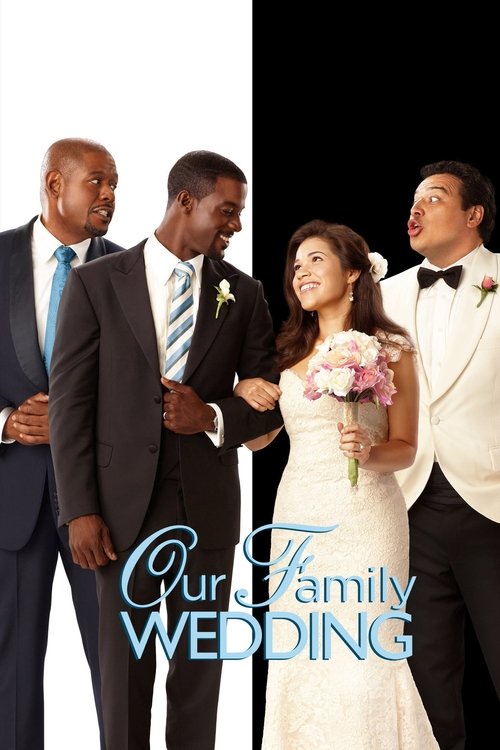
Our Family Wedding
The weeks leading up to a young couple's wedding is comic and stressful, especially as their respective fathers try to lay to rest their feud.
Working with a small-scale budget of $14.0M, the film achieved a steady performer with $21.4M in global revenue (+53% profit margin).


Plot Structure
Story beats plotted across runtime


Narrative Arc
Emotional journey through the story's key moments
Story Circle
Blueprint 15-beat structure
Arcplot Score Breakdown
Weighted: Precision (70%) + Arc (15%) + Theme (15%)
Our Family Wedding (2010) showcases deliberately positioned story structure, characteristic of Rick Famuyiwa's storytelling approach. This structural analysis examines how the film's 15-point plot structure maps to proven narrative frameworks across 1 hour and 43 minutes. With an Arcplot score of 7.0, the film balances conventional beats with creative variation.
Structural Analysis
The Status Quo at 1 minutes (1% through the runtime) establishes Marcus and Lucia, a young interracial couple, are shown in their happy relationship at college, living in their own carefree world away from family expectations.. The analysis reveals that this early placement immediately immerses viewers in the story world.
The inciting incident occurs at 12 minutes when Marcus proposes to Lucia and she accepts. They decide to return home to tell their families about their engagement and upcoming wedding.. At 12% through the film, this Disruption aligns precisely with traditional story structure. This beat shifts the emotional landscape, launching the protagonist into the central conflict.
The First Threshold at 25 minutes marks the transition into Act II, occurring at 24% of the runtime. This illustrates the protagonist's commitment to Despite family resistance, Marcus and Lucia make the definitive choice to move forward with the wedding. They actively commit to bringing their families together, no matter what it takes., moving from reaction to action.
At 51 minutes, the Midpoint arrives at 49% of the runtime—precisely centered, creating perfect narrative symmetry. Of particular interest, this crucial beat A major blow-up occurs between the families at a joint gathering, with the fathers getting into a physical altercation. The wedding seems impossible, and Marcus and Lucia question whether their families will ever accept their union., fundamentally raising what's at risk. The emotional intensity shifts, dividing the narrative into clear before-and-after phases.
The Collapse moment at 77 minutes (75% through) represents the emotional nadir. Here, A catastrophic incident occurs (possibly involving a goat and medicine mishap from the film's infamous scene) that derails the wedding entirely. Marcus and Lucia have a major fight, and the wedding is called off. The dream of unity appears dead., demonstrates the protagonist at their lowest point. This beat's placement in the final quarter sets up the climactic reversal.
The Second Threshold at 81 minutes initiates the final act resolution at 78% of the runtime. The fathers have a breakthrough moment, realizing their children's happiness matters more than their pride. They decide to put aside differences and come together to fix what they've broken. Marcus and Lucia reconcile, armed with new understanding., demonstrating the transformation achieved throughout the journey.
Emotional Journey
Our Family Wedding's emotional architecture traces a deliberate progression across 15 carefully calibrated beats.
Narrative Framework
This structural analysis employs structural analysis methodology used to understand storytelling architecture. By mapping Our Family Wedding against these established plot points, we can identify how Rick Famuyiwa utilizes or subverts traditional narrative conventions. The plot point approach reveals not only adherence to structural principles but also creative choices that distinguish Our Family Wedding within the comedy genre.
Rick Famuyiwa's Structural Approach
Among the 4 Rick Famuyiwa films analyzed on Arcplot, the average structural score is 7.3, reflecting strong command of classical structure. Our Family Wedding takes a more unconventional approach compared to the director's typical style. For comparative analysis, explore the complete Rick Famuyiwa filmography.
Comparative Analysis
Additional comedy films include The Bad Guys, Ella Enchanted and The Evening Star. For more Rick Famuyiwa analyses, see Dope, Brown Sugar and The Wood.
Plot Points by Act
Act I
SetupStatus Quo
Marcus and Lucia, a young interracial couple, are shown in their happy relationship at college, living in their own carefree world away from family expectations.
Theme
A character remarks about the importance of family and tradition, foreshadowing the central conflict between love and cultural expectations.
Worldbuilding
Introduction to both families: Marcus's African-American family led by his father Brad, a radio DJ, and Lucia's Mexican-American family led by her father Miguel, who runs a restaurant. Both fathers are proud, stubborn, and have specific expectations for their children.
Disruption
Marcus proposes to Lucia and she accepts. They decide to return home to tell their families about their engagement and upcoming wedding.
Resistance
Marcus and Lucia nervously prepare to tell their families. Both sets of parents are shocked and resistant. Cultural tensions emerge immediately, with both fathers disapproving and the mothers trying to keep peace. The couple debates whether they can really pull off a wedding with such opposing families.
Act II
ConfrontationFirst Threshold
Despite family resistance, Marcus and Lucia make the definitive choice to move forward with the wedding. They actively commit to bringing their families together, no matter what it takes.
Mirror World
The wedding planner is introduced, and both families are forced to work together on wedding preparations, creating a new dynamic that will test and ultimately teach everyone about acceptance and compromise.
Premise
Wedding planning chaos ensues with comedic cultural clashes: cake tastings, dress fittings, competing family traditions, and escalating rivalry between the fathers. Marcus and Lucia navigate increasingly absurd situations as both families try to dominate the wedding plans.
Midpoint
A major blow-up occurs between the families at a joint gathering, with the fathers getting into a physical altercation. The wedding seems impossible, and Marcus and Lucia question whether their families will ever accept their union.
Opposition
Tensions escalate further. Both fathers actively try to sabotage the wedding. Old rivalries and prejudices surface. Marcus and Lucia's relationship strains under family pressure. Minor disasters pile up: venue problems, financial issues, and increasing family interference.
Collapse
A catastrophic incident occurs (possibly involving a goat and medicine mishap from the film's infamous scene) that derails the wedding entirely. Marcus and Lucia have a major fight, and the wedding is called off. The dream of unity appears dead.
Crisis
Marcus and Lucia separately process their heartbreak. Both families realize their selfishness and stubbornness have hurt their children. The fathers, in particular, reflect on their pride and prejudice.
Act III
ResolutionSecond Threshold
The fathers have a breakthrough moment, realizing their children's happiness matters more than their pride. They decide to put aside differences and come together to fix what they've broken. Marcus and Lucia reconcile, armed with new understanding.
Synthesis
Both families work together to pull off the wedding. Cultural traditions are blended respectfully. The fathers cooperate and even bond. The wedding ceremony proceeds with both families united, celebrating the couple and their merged heritage.
Transformation
Marcus and Lucia are married, surrounded by their now-united families celebrating together. The closing image shows both families joyfully mixing cultures at the reception, transformed from suspicious rivals to one extended family.