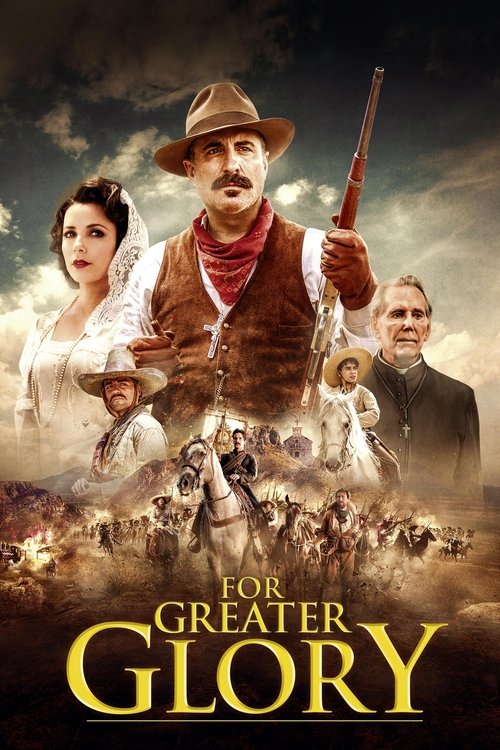
Outlaws - For Greater Glory
A chronicle of the Cristeros War (1926-1929), which was touched off by a rebellion against the Mexican government's attempt to secularize the country.
The film disappointed at the box office against its modest budget of $12.0M, earning $10.2M globally (-15% loss).
3 wins & 9 nominations


Plot Structure
Story beats plotted across runtime


Narrative Arc
Emotional journey through the story's key moments
Story Circle
Blueprint 15-beat structure
Arcplot Score Breakdown
Weighted: Precision (70%) + Arc (15%) + Theme (15%)
Outlaws - For Greater Glory (2012) showcases carefully calibrated narrative design, characteristic of Dean Wright's storytelling approach. This structural analysis examines how the film's 15-point plot structure maps to proven narrative frameworks across 2 hours and 25 minutes. With an Arcplot score of 6.7, the film balances conventional beats with creative variation.
Structural Analysis
The Status Quo at 2 minutes (1% through the runtime) establishes General Enrique Gorostieta lives peacefully in retirement with his wife and children, enjoying domestic life away from military conflict. He is a secular pragmatist who has left war behind.. The analysis reveals that this early placement immediately immerses viewers in the story world.
The inciting incident occurs at 17 minutes when Church leaders arrive at Gorostieta's home offering him command of the Cristero army. The war has come to his doorstep, disrupting his peaceful retirement and forcing him to confront whether he will fight.. At 12% through the film, this Disruption aligns precisely with traditional story structure. This beat shifts the emotional landscape, launching the protagonist into the central conflict.
The First Threshold at 36 minutes marks the transition into Act II, occurring at 25% of the runtime. This shows the protagonist's commitment to Gorostieta actively chooses to take command of the Cristero forces, arriving at their camp and asserting his authority. He crosses into the world of religious war despite his own lack of faith, beginning his transformation., moving from reaction to action.
At 73 minutes, the Midpoint arrives at 50% of the runtime—precisely centered, creating perfect narrative symmetry. Significantly, this crucial beat The Cristeros achieve a major military victory, gaining international attention and legitimacy. Gorostieta appears to be winning the war. False victory: success is at its peak, but the government will escalate brutality in response., fundamentally raising what's at risk. The emotional intensity shifts, dividing the narrative into clear before-and-after phases.
The Collapse moment at 109 minutes (75% through) represents the emotional nadir. Here, Young Jose is tortured and martyred, refusing to renounce his faith even unto death. The boy's execution devastates Gorostieta, who has come to care for him. This death of innocence represents the "whiff of death" and breaks the general's emotional armor., demonstrates the protagonist at their lowest point. This beat's placement in the final quarter sets up the climactic reversal.
The Second Threshold at 116 minutes initiates the final act resolution at 80% of the runtime. Gorostieta chooses to continue fighting despite the Church's peace accord, now motivated by faith rather than duty. He synthesizes his military skill with newfound spiritual understanding, recognizing that Jose's sacrifice embodied something greater than politics., demonstrating the transformation achieved throughout the journey.
Emotional Journey
Outlaws - For Greater Glory's emotional architecture traces a deliberate progression across 15 carefully calibrated beats.
Narrative Framework
This structural analysis employs systematic plot point analysis that identifies crucial turning points. By mapping Outlaws - For Greater Glory against these established plot points, we can identify how Dean Wright utilizes or subverts traditional narrative conventions. The plot point approach reveals not only adherence to structural principles but also creative choices that distinguish Outlaws - For Greater Glory within the history genre.
Comparative Analysis
Additional history films include The Attacks Of 26/11, Joyeux Noel and Rob Roy.
Plot Points by Act
Act I
SetupStatus Quo
General Enrique Gorostieta lives peacefully in retirement with his wife and children, enjoying domestic life away from military conflict. He is a secular pragmatist who has left war behind.
Theme
A church leader states that some things are worth dying for, introducing the film's central question: what cause is worthy of ultimate sacrifice? This foreshadows the conflict between faith and survival.
Worldbuilding
The Mexican government under President Calles enacts brutal anticlerical laws, closing churches and executing priests. Catholics across Mexico face persecution. Young Jose Sanchez del Rio and his family witness the violence. The Cristero resistance begins forming but lacks military leadership.
Disruption
Church leaders arrive at Gorostieta's home offering him command of the Cristero army. The war has come to his doorstep, disrupting his peaceful retirement and forcing him to confront whether he will fight.
Resistance
Gorostieta debates accepting command, wrestling with his lack of religious faith versus professional duty. His wife questions the decision. He negotiates terms, demonstrating his secular motivations. Finally, he agrees to lead for practical rather than spiritual reasons.
Act II
ConfrontationFirst Threshold
Gorostieta actively chooses to take command of the Cristero forces, arriving at their camp and asserting his authority. He crosses into the world of religious war despite his own lack of faith, beginning his transformation.
Mirror World
Young Jose Sanchez del Rio joins the Cristeros as a flag bearer, embodying pure faith and idealism. His unwavering religious conviction mirrors and challenges Gorostieta's pragmatic atheism, establishing the thematic relationship that will transform the general.
Premise
Gorostieta trains and leads the Cristeros to military victories, transforming peasants into an effective fighting force. The rebellion gains momentum and territory. Jose proves his courage repeatedly. Gorostieta witnesses the faith of his soldiers while remaining emotionally detached.
Midpoint
The Cristeros achieve a major military victory, gaining international attention and legitimacy. Gorostieta appears to be winning the war. False victory: success is at its peak, but the government will escalate brutality in response.
Opposition
The government intensifies persecution and military pressure. U.S. involvement supports Calles. Internal divisions threaten the Cristeros. Gorostieta's family faces danger. Jose is captured by federal forces. The general begins to understand the spiritual dimension of the conflict.
Collapse
Young Jose is tortured and martyred, refusing to renounce his faith even unto death. The boy's execution devastates Gorostieta, who has come to care for him. This death of innocence represents the "whiff of death" and breaks the general's emotional armor.
Crisis
Gorostieta mourns Jose and grapples with the meaning of the boy's sacrifice. The Church negotiates a settlement with the government, ordering the Cristeros to disarm. The general confronts the futility of war and the power of faith he witnessed in Jose.
Act III
ResolutionSecond Threshold
Gorostieta chooses to continue fighting despite the Church's peace accord, now motivated by faith rather than duty. He synthesizes his military skill with newfound spiritual understanding, recognizing that Jose's sacrifice embodied something greater than politics.
Synthesis
Gorostieta leads his remaining forces in final battles, now fighting for the principle Jose died defending. He is ambushed by federal forces. In his final moments, the formerly atheist general makes the sign of the cross, accepting faith. He dies for a cause greater than himself.
Transformation
Title cards reveal that Jose was later canonized as a saint, and the Cristero sacrifice inspired lasting change. Gorostieta, who began as a secular soldier, died as a man of faith. The image mirrors the opening but shows the cost and meaning of sacrifice.