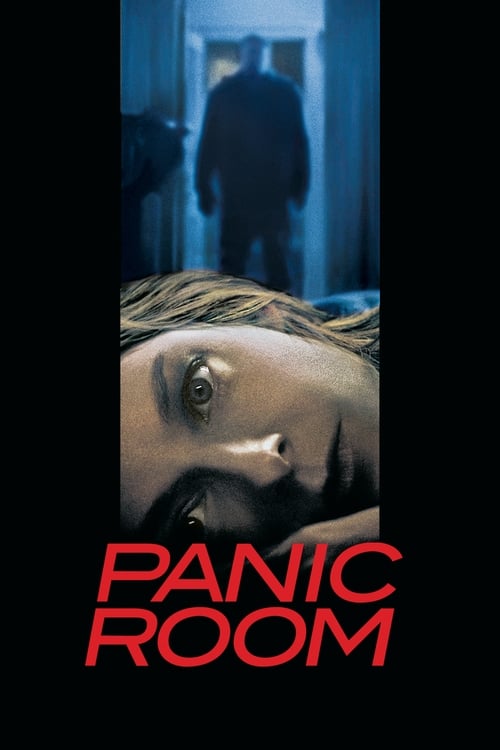
Panic Room
A divorced woman and her diabetic daughter take refuge in their newly-purchased house's safe room when three men break-in, searching for a missing fortune.
Despite a respectable budget of $48.0M, Panic Room became a financial success, earning $197.1M worldwide—a 311% return.
1 win & 9 nominations


Plot Structure
Story beats plotted across runtime


Narrative Arc
Emotional journey through the story's key moments
Story Circle
Blueprint 15-beat structure
Characters
Cast & narrative archetypes

Meg Altman
Burnham
Sarah Altman
Junior
Raoul
Stephen Altman
Main Cast & Characters
Meg Altman
Played by Jodie Foster
A recently divorced woman who moves into a Manhattan brownstone with her daughter, forced to defend her family when intruders break in on their first night.
Burnham
Played by Forest Whitaker
A panic room technician and reluctant criminal who joins the heist for financial reasons but has a moral compass that conflicts with his partners' violence.
Sarah Altman
Played by Kristen Stewart
Meg's diabetic teenage daughter who becomes trapped in the panic room with her mother during the home invasion.
Junior
Played by Jared Leto
The grandson of the house's previous owner who orchestrated the break-in to steal bearer bonds hidden in the panic room, increasingly desperate and unstable.
Raoul
Played by Dwight Yoakam
A violent and sociopathic criminal recruited by Junior, willing to use extreme measures including murder to complete the heist.
Stephen Altman
Played by Patrick Bauchau
Meg's ex-husband who left her for a younger woman, called during the crisis but proves largely ineffective.
Structural Analysis
The Status Quo at 1 minutes (1% through the runtime) establishes Meg Altman tours a massive Upper West Side townhouse with her daughter Sarah, recently divorced and searching for a fresh start. The realtor shows them the panic room - a fortified safe room with steel walls, independent phone line, and security monitors.. Of particular interest, this early placement immediately immerses viewers in the story world.
The inciting incident occurs at 15 minutes when On their first night in the house, three men break in: Burnham (the security system designer), Junior (grandson of the previous owner), and Raoul (a violent criminal). Meg hears noises on the security monitor and realizes intruders are inside. She grabs Sarah and they lock themselves in the panic room.. At 13% through the film, this Disruption is delayed, allowing extended setup of the story world. This beat shifts the emotional landscape, launching the protagonist into the central conflict.
The First Threshold at 28 minutes marks the transition into Act II, occurring at 25% of the runtime. This shows the protagonist's commitment to The intruders begin pumping propane gas into the panic room through the air vents, forcing Meg to make an impossible choice: stay and suffocate, or open the door. Meg chooses to fight back - she lights the gas on fire, creating an explosion that injures Raoul and makes the conflict irrevocably violent., moving from reaction to action.
At 56 minutes, the Midpoint arrives at 50% of the runtime—precisely centered, creating perfect narrative symmetry. Of particular interest, this crucial beat Sarah has a diabetic seizure and falls unconscious. Meg is forced to open the panic room door to get insulin from the refrigerator. She retrieves it successfully but now the intruders know she'll have to leave the room again. The stakes escalate from property to life-or-death, and Raoul murders Junior after a dispute. The situation has become lethal., fundamentally raising what's at risk. The emotional intensity shifts, dividing the narrative into clear before-and-after phases.
The Collapse moment at 84 minutes (76% through) represents the emotional nadir. Here, Raoul forces Meg to convince Sarah to open the panic room door from inside. Meg appears to comply, betraying her daughter to save herself. Sarah, feeling abandoned and betrayed by her mother, opens the door. The intruders enter the panic room and begin retrieving the bonds. Meg has seemingly lost everything - her daughter's trust, her safety, and her will to fight., reveals the protagonist at their lowest point. This beat's placement in the final quarter sets up the climactic reversal.
The Second Threshold at 90 minutes initiates the final act resolution at 81% of the runtime. Meg attacks Raoul with a sledgehammer while he's crouched in the panic room floor retrieving bonds. Burnham chooses to help Meg and Sarah instead of escaping with the money. The alliance shifts - Meg stops hiding and becomes an active fighter, and Burnham abandons the heist to protect the innocent. They work together against Raoul., demonstrating the transformation achieved throughout the journey.
Emotional Journey
Panic Room's emotional architecture traces a deliberate progression across 15 carefully calibrated beats.
Narrative Framework
This structural analysis employs systematic plot point analysis that identifies crucial turning points. By mapping Panic Room against these established plot points, we can identify how David Fincher utilizes or subverts traditional narrative conventions. The plot point approach reveals not only adherence to structural principles but also creative choices that distinguish Panic Room within the crime genre.
David Fincher's Structural Approach
Among the 9 David Fincher films analyzed on Arcplot, the average structural score is 5.9, showcasing experimental approaches to narrative form. Panic Room exemplifies the director's characteristic narrative technique. For comparative analysis, explore the complete David Fincher filmography.
Comparative Analysis
Additional crime films include The Bad Guys, Rustom and The Whole Ten Yards. For more David Fincher analyses, see The Girl with the Dragon Tattoo, The Curious Case of Benjamin Button and The Social Network.
Plot Points by Act
Act I
SetupStatus Quo
Meg Altman tours a massive Upper West Side townhouse with her daughter Sarah, recently divorced and searching for a fresh start. The realtor shows them the panic room - a fortified safe room with steel walls, independent phone line, and security monitors.
Theme
The realtor explains the panic room's purpose: "It's totally self-contained and impenetrable. If someone breaks into your house, this is where you go to be safe." The theme of protection, control, and choosing when to hide versus when to fight is established.
Worldbuilding
Meg and Sarah move into the townhouse. We learn Meg is recently divorced from a wealthy businessman, Sarah is diabetic and needs insulin injections, and Meg is struggling with the separation. The massive house feels empty and isolating. They explore rooms, unpack boxes, and Meg checks the panic room but doesn't fully understand its systems.
Disruption
On their first night in the house, three men break in: Burnham (the security system designer), Junior (grandson of the previous owner), and Raoul (a violent criminal). Meg hears noises on the security monitor and realizes intruders are inside. She grabs Sarah and they lock themselves in the panic room.
Resistance
Meg and Sarah are trapped in the panic room while the intruders search the house. Meg tries to use the panic room phone but the line isn't connected yet. She discovers the intruders want something inside the panic room itself - bearer bonds hidden in the floor. A standoff develops: the intruders need them out, Meg needs to protect Sarah but realizes they can't stay inside forever.
Act II
ConfrontationFirst Threshold
The intruders begin pumping propane gas into the panic room through the air vents, forcing Meg to make an impossible choice: stay and suffocate, or open the door. Meg chooses to fight back - she lights the gas on fire, creating an explosion that injures Raoul and makes the conflict irrevocably violent.
Mirror World
Burnham reveals himself as different from the other intruders - he shows reluctance to harm Meg and Sarah, and we learn he designed the panic room security system himself. He represents the possibility of trust and negotiation in a situation built on fear and violence. His presence suggests not everyone is an enemy.
Premise
The cat-and-mouse game intensifies. Meg uses the security cameras to monitor the intruders, tries to signal for help, and attempts to reach a phone. Sarah's diabetes becomes critical - she needs insulin that's outside the panic room. The intruders try various methods to breach the room: drilling, prying, cutting power. Meg proves resourceful, using the house systems against them.
Midpoint
Sarah has a diabetic seizure and falls unconscious. Meg is forced to open the panic room door to get insulin from the refrigerator. She retrieves it successfully but now the intruders know she'll have to leave the room again. The stakes escalate from property to life-or-death, and Raoul murders Junior after a dispute. The situation has become lethal.
Opposition
Raoul takes control as the most violent threat. He severely beats Burnham for showing sympathy to Meg. Meg makes contact with her ex-husband Stephen who calls police, but Raoul intercepts the police officers and sends them away. The intruders capture Meg outside the panic room. Burnham is injured and wavering. Sarah remains trapped inside, and now Meg is the intruders' hostage.
Collapse
Raoul forces Meg to convince Sarah to open the panic room door from inside. Meg appears to comply, betraying her daughter to save herself. Sarah, feeling abandoned and betrayed by her mother, opens the door. The intruders enter the panic room and begin retrieving the bonds. Meg has seemingly lost everything - her daughter's trust, her safety, and her will to fight.
Crisis
In the panic room with the intruders focused on the bonds, Meg makes eye contact with Sarah and they share a silent understanding. Meg wasn't surrendering - she was creating an opportunity. Burnham, beaten and questioning his choices, wavers between self-preservation and doing the right thing. The darkest moment becomes a moment of clarity.
Act III
ResolutionSecond Threshold
Meg attacks Raoul with a sledgehammer while he's crouched in the panic room floor retrieving bonds. Burnham chooses to help Meg and Sarah instead of escaping with the money. The alliance shifts - Meg stops hiding and becomes an active fighter, and Burnham abandons the heist to protect the innocent. They work together against Raoul.
Synthesis
A violent struggle between Meg, Sarah, Burnham and Raoul throughout the townhouse. Meg uses her knowledge of the house and the panic room systems as weapons. Sarah assists her mother despite her fear. Burnham fights Raoul to protect them. Meg ultimately kills Raoul in self-defense. Burnham escapes with nothing. Police and Stephen arrive as the crisis ends.
Transformation
Meg and Sarah stand outside the townhouse in daylight, wrapped in blankets, reunited with Stephen. Meg tells the realtor she wants to see another house - she's not hiding anymore. Sarah holds her mother's hand with trust restored. Where the opening showed Meg running away and seeking shelter, the closing shows her choosing to move forward, stronger and connected to her daughter.