ParaNorman
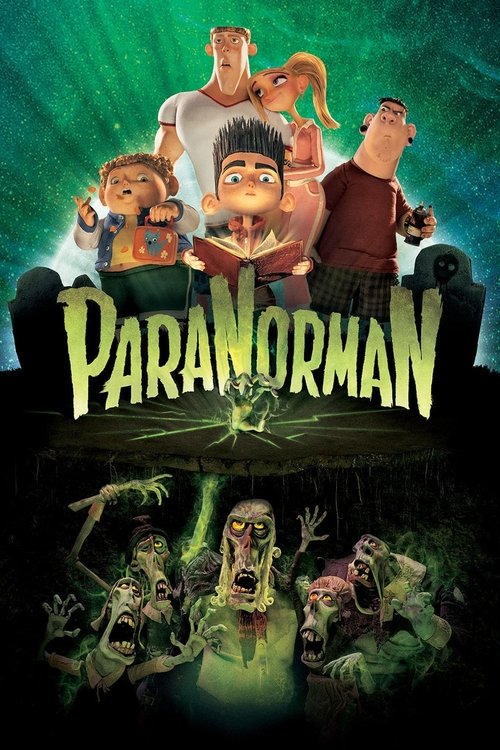
In the town of Blithe Hollow, Norman Babcock can speak to the dead, but no one other than his eccentric new friend believes his ability is real. One day, Norman's eccentric uncle tells him of a ritual he must perform to protect the town from a curse cast by a witch centuries ago.
Working with a mid-range budget of $60.0M, the film achieved a modest success with $107.3M in global revenue (+79% profit margin).
Nominated for 1 Oscar. 19 wins & 46 nominations


Plot Structure
Story beats plotted across runtime


Narrative Arc
Emotional journey through the story's key moments
Story Circle
Blueprint 15-beat structure
Arcplot Score Breakdown
Weighted: Precision (70%) + Arc (15%) + Theme (15%)
ParaNorman (2012) reveals deliberately positioned story structure, characteristic of Sam Fell's storytelling approach. This structural analysis examines how the film's 15-point plot structure maps to proven narrative frameworks across 1 hour and 33 minutes. With an Arcplot score of 7.1, the film balances conventional beats with creative variation.
Structural Analysis
The Status Quo at 1 minutes (1% through the runtime) establishes Norman watches a cheesy zombie movie with his deceased grandmother's ghost, revealing his ability to see and communicate with the dead while his family remains oblivious and dismissive of his gift.. Notably, this early placement immediately immerses viewers in the story world.
The inciting incident occurs at 12 minutes when Norman's estranged uncle Prenderghast, the town crazy, accosts Norman at school and desperately warns him that only he can stop the witch's curse from destroying the town, dying moments later and becoming a ghost who continues to plead with Norman.. At 13% through the film, this Disruption is delayed, allowing extended setup of the story world. This beat shifts the emotional landscape, launching the protagonist into the central conflict.
The First Threshold at 24 minutes marks the transition into Act II, occurring at 25% of the runtime. This demonstrates the protagonist's commitment to Norman chooses to go to the witch's grave in the old cemetery and attempts to read the book, but arrives too late—the witch awakens and raises the seven zombie judges who condemned her, forcing Norman into a supernatural crisis., moving from reaction to action.
At 47 minutes, the Midpoint arrives at 51% of the runtime—precisely centered, creating perfect narrative symmetry. Structural examination shows that this crucial beat Norman has a powerful vision revealing the truth: the witch Aggie was an innocent 11-year-old girl who could speak to the dead, condemned by fearful Puritans. The zombies aren't evil—they're the guilty judges seeking redemption. This false defeat raises the real stakes., fundamentally raising what's at risk. The emotional intensity shifts, dividing the narrative into clear before-and-after phases.
The Collapse moment at 71 minutes (76% through) represents the emotional nadir. Here, Norman confronts Aggie's raging spirit alone at Town Hall as it's torn apart by supernatural fury. His attempts to read the book fail—she won't listen. The mob attacks, hope seems lost, and Norman must face the angry ghost with no clear solution., reveals the protagonist at their lowest point. This beat's placement in the final quarter sets up the climactic reversal.
The Second Threshold at 76 minutes initiates the final act resolution at 82% of the runtime. Norman stops trying to stop Aggie and instead approaches her with compassion. He tells her about his grandmother and acknowledges her pain: "You're just like me." This synthesis of his gift with empathy unlocks the path to resolution., demonstrating the transformation achieved throughout the journey.
Emotional Journey
ParaNorman's emotional architecture traces a deliberate progression across 15 carefully calibrated beats.
Narrative Framework
This structural analysis employs systematic plot point analysis that identifies crucial turning points. By mapping ParaNorman against these established plot points, we can identify how Sam Fell utilizes or subverts traditional narrative conventions. The plot point approach reveals not only adherence to structural principles but also creative choices that distinguish ParaNorman within the family genre.
Comparative Analysis
Additional family films include The Black Stallion, The Bad Guys and Ella Enchanted.
Plot Points by Act
Act I
SetupStatus Quo
Norman watches a cheesy zombie movie with his deceased grandmother's ghost, revealing his ability to see and communicate with the dead while his family remains oblivious and dismissive of his gift.
Theme
Norman's grandmother tells him, "There's nothing wrong with being scared, as long as it doesn't change who you are," establishing the theme that fear should not transform us into something cruel.
Worldbuilding
The town of Blithe Hollow is established as obsessed with its witch-trial history, exploiting the legend for tourism. Norman's isolation is shown at home where his father is hostile, and at school where he's bullied by Alvin and ostracized by peers except for Neil.
Disruption
Norman's estranged uncle Prenderghast, the town crazy, accosts Norman at school and desperately warns him that only he can stop the witch's curse from destroying the town, dying moments later and becoming a ghost who continues to plead with Norman.
Resistance
Ghost Prenderghast explains that Norman must read from a specific book at the witch's grave before sunset to keep her asleep for another year. Norman resists this terrifying responsibility but ultimately accepts he is the only one who can do it.
Act II
ConfrontationFirst Threshold
Norman chooses to go to the witch's grave in the old cemetery and attempts to read the book, but arrives too late—the witch awakens and raises the seven zombie judges who condemned her, forcing Norman into a supernatural crisis.
Mirror World
Neil proves his loyalty by helping Norman escape the zombies, and the unlikely team forms: Norman, Neil, Norman's sister Courtney, Neil's brother Mitch, and even bully Alvin. This motley group represents acceptance despite differences.
Premise
The promise of the premise unfolds as zombies shamble through town, the townsfolk panic and form an angry mob, and Norman's group tries to survive while Norman receives visions revealing the witch's true story—she was a child named Aggie with powers like his.
Midpoint
Norman has a powerful vision revealing the truth: the witch Aggie was an innocent 11-year-old girl who could speak to the dead, condemned by fearful Puritans. The zombies aren't evil—they're the guilty judges seeking redemption. This false defeat raises the real stakes.
Opposition
The townspeople become a violent mob, attacking both zombies and Norman's group. Norman struggles to reach the witch's original grave site while Aggie's storm intensifies. The parallel between the modern mob and the Puritan mob becomes explicit—fear breeds cruelty.
Collapse
Norman confronts Aggie's raging spirit alone at Town Hall as it's torn apart by supernatural fury. His attempts to read the book fail—she won't listen. The mob attacks, hope seems lost, and Norman must face the angry ghost with no clear solution.
Crisis
In the supernatural maelstrom, Norman realizes the book isn't the answer—Aggie doesn't need to be put back to sleep, she needs someone to understand her pain. Norman processes his own experiences of being outcast and bullied, finding the empathy needed.
Act III
ResolutionSecond Threshold
Norman stops trying to stop Aggie and instead approaches her with compassion. He tells her about his grandmother and acknowledges her pain: "You're just like me." This synthesis of his gift with empathy unlocks the path to resolution.
Synthesis
Norman and Aggie have a heart-to-heart in a dreamscape of her memories. He helps her see that her anger made her become like those who hurt her. Aggie finally lets go, finding peace. The zombies are freed, the storm ends, and the town is saved.
Transformation
Norman returns home to a transformed family—his father apologizes and accepts him, Courtney shows respect, and the town celebrates the zombies' redemption. Norman watches TV with Grandma's ghost, now understood and at peace with his gift.