Parenthood
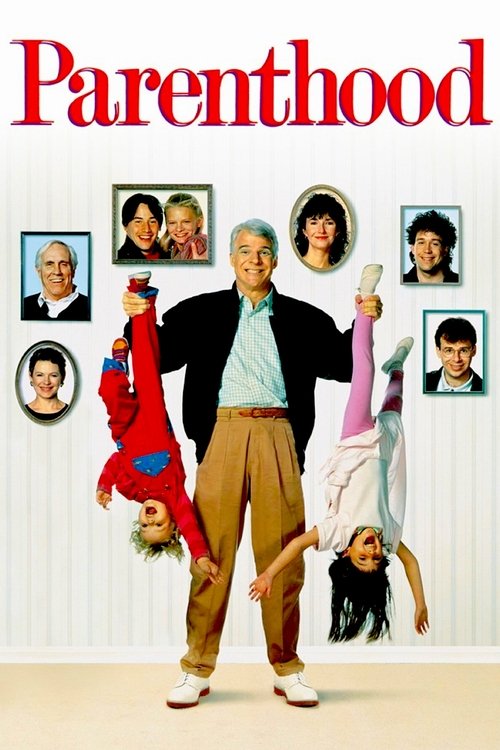
The story of the Buckman family and friends, attempting to bring up their children. They suffer/enjoy all the events that occur: estranged relatives, the 'black sheep' of the family, the eccentrics, the skeletons in the closet, and the rebellious teenagers.
Despite a respectable budget of $20.0M, Parenthood became a box office phenomenon, earning $126.3M worldwide—a remarkable 531% return.
Nominated for 2 Oscars. 4 wins & 14 nominations


Plot Structure
Story beats plotted across runtime


Narrative Arc
Emotional journey through the story's key moments
Story Circle
Blueprint 15-beat structure
Arcplot Score Breakdown
Weighted: Precision (70%) + Arc (15%) + Theme (15%)
Parenthood (1989) exhibits carefully calibrated narrative design, characteristic of Ron Howard's storytelling approach. This structural analysis examines how the film's 15-point plot structure maps to proven narrative frameworks across 2 hours and 4 minutes. With an Arcplot score of 6.8, the film balances conventional beats with creative variation.
Characters
Cast & narrative archetypes

Gil Buckman
Karen Buckman
Helen Buckman
Frank Buckman
Larry Buckman
Julie Buckman-Higgins
Tod Higgins
Nathan Huffner
Susan Buckman-Huffner
Grandma
Kevin Buckman
Garry Buckman-Lampkin
Main Cast & Characters
Gil Buckman
Played by Steve Martin
An anxious, loving father struggling to balance career pressures with his desire to be a better parent than his own emotionally distant father was.
Karen Buckman
Played by Mary Steenburgen
Gil's supportive wife who tries to maintain family harmony while dealing with her husband's anxiety and her own unexpected pregnancy.
Helen Buckman
Played by Dianne Wiest
Gil's divorced sister raising two teenagers alone, navigating her daughter's secret marriage and her troubled son's relationship with his absent father.
Frank Buckman
Played by Jason Robards
The emotionally distant patriarch of the Buckman family whose favoritism toward one son created lasting dysfunction among his children.
Larry Buckman
Played by Tom Hulce
The charming but irresponsible prodigal son who returns home with gambling debts and a mixed-race child he barely knows.
Julie Buckman-Higgins
Played by Martha Plimpton
Helen's teenage daughter who secretly married her boyfriend Tod, struggling between teenage rebellion and genuine love.
Tod Higgins
Played by Keanu Reeves
Julie's young husband, a seemingly aimless race car enthusiast who proves to be surprisingly wise and emotionally supportive.
Nathan Huffner
Played by Rick Moranis
Susan's perfectionist husband obsessed with accelerating their daughter's intellectual development through rigid educational regimens.
Susan Buckman-Huffner
Played by Harley Jane Kozak
Gil's sister caught between her controlling husband's parenting philosophy and her own instincts about what their daughter needs.
Grandma
Played by Helen Shaw
Frank's wise elderly mother who offers Gil the film's central metaphor about life being a roller coaster rather than a merry-go-round.
Kevin Buckman
Played by Jasen Fisher
Gil and Karen's anxious eldest son whose emotional struggles and need for therapy drive much of Gil's parental anxiety.
Garry Buckman-Lampkin
Played by Joaquin Phoenix
Helen's withdrawn teenage son dealing with his absent father's rejection through isolation and concerning behavior.
Structural Analysis
The Status Quo at 1 minutes (1% through the runtime) establishes Gil Buckman struggles at his son Kevin's baseball game, anxiously trying to be the perfect supportive father while juggling family chaos and his own insecurities about parenting.. Significantly, this early placement immediately immerses viewers in the story world.
The inciting incident occurs at 15 minutes when Gil is called to school where he learns Kevin needs therapy due to emotional problems. The school counselor recommends special education, shattering Gil's vision of being a perfect father and forcing him to confront his parenting failures.. At 12% through the film, this Disruption aligns precisely with traditional story structure. This beat shifts the emotional landscape, launching the protagonist into the central conflict.
The First Threshold at 32 minutes marks the transition into Act II, occurring at 26% of the runtime. This demonstrates the protagonist's commitment to Gil makes the active choice to fully commit to his family over his career ambitions. He decides to be present for Kevin, throwing himself into being the engaged father he never had, starting by coaching Kevin's baseball team and prioritizing family time., moving from reaction to action.
At 63 minutes, the Midpoint arrives at 50% of the runtime—precisely centered, creating perfect narrative symmetry. Significantly, this crucial beat Multiple crises converge: Kevin's birthday party ends in disaster when a hired entertainer becomes a stripper; Gil learns Karen is pregnant with their fourth child; and he discovers he won't get the promotion because his family commitments make him seem unreliable. Everything Gil has been working toward collapses., fundamentally raising what's at risk. The emotional intensity shifts, dividing the narrative into clear before-and-after phases.
The Collapse moment at 92 minutes (74% through) represents the emotional nadir. Here, Gil has a complete breakdown at Kevin's crucial baseball game, screaming at everyone and destroying the fantasy of being a perfect father. He storms off, abandoning his family in his darkest moment of failure and despair, convinced he's become the terrible father he feared., illustrates the protagonist at their lowest point. This beat's placement in the final quarter sets up the climactic reversal.
The Second Threshold at 99 minutes initiates the final act resolution at 80% of the runtime. Grandma's roller coaster wisdom finally clicks for Gil. He realizes that the chaos, imperfection, and unpredictability of family life isn't something to control or fix - it's something to embrace. He chooses the roller coaster over the merry-go-round., demonstrating the transformation achieved throughout the journey.
Emotional Journey
Parenthood's emotional architecture traces a deliberate progression across 15 carefully calibrated beats.
Narrative Framework
This structural analysis employs systematic plot point analysis that identifies crucial turning points. By mapping Parenthood against these established plot points, we can identify how Ron Howard utilizes or subverts traditional narrative conventions. The plot point approach reveals not only adherence to structural principles but also creative choices that distinguish Parenthood within the comedy genre.
Ron Howard's Structural Approach
Among the 24 Ron Howard films analyzed on Arcplot, the average structural score is 7.0, demonstrating varied approaches to story architecture. Parenthood takes a more unconventional approach compared to the director's typical style. For comparative analysis, explore the complete Ron Howard filmography.
Comparative Analysis
Additional comedy films include The Bad Guys, Ella Enchanted and The Evening Star. For more Ron Howard analyses, see Apollo 13, Solo: A Star Wars Story and Cinderella Man.
Plot Points by Act
Act I
SetupStatus Quo
Gil Buckman struggles at his son Kevin's baseball game, anxiously trying to be the perfect supportive father while juggling family chaos and his own insecurities about parenting.
Theme
Grandma shares her wisdom about life being like a roller coaster - you can choose the merry-go-round (safe but boring) or the roller coaster (terrifying but thrilling). This encapsulates the film's theme about embracing the chaos of family life.
Worldbuilding
Introduction to the extended Buckman family: Gil's struggles with his anxious son Kevin and demanding job; Helen's challenges as a single mother; Susan's marriage to uptight Nathan; and Larry's irresponsible lifestyle causing problems for patriarch Frank.
Disruption
Gil is called to school where he learns Kevin needs therapy due to emotional problems. The school counselor recommends special education, shattering Gil's vision of being a perfect father and forcing him to confront his parenting failures.
Resistance
Gil debates how to handle Kevin's needs while dealing with work pressure for a promotion. Karen tries to support him, but Gil spirals into anxiety. Meanwhile, other family storylines develop: Helen deals with teenage Julie's boyfriend, Susan endures Nathan's controlling parenting, and Frank enables Larry's irresponsibility.
Act II
ConfrontationFirst Threshold
Gil makes the active choice to fully commit to his family over his career ambitions. He decides to be present for Kevin, throwing himself into being the engaged father he never had, starting by coaching Kevin's baseball team and prioritizing family time.
Mirror World
Gil's relationship with Karen deepens as they navigate parenting together. She becomes his partner in embracing imperfection, while the film also develops Helen's romance with Tod, showing different approaches to finding happiness through accepting life's messiness.
Premise
Gil embraces being the "fun dad," throwing elaborate birthday parties and coaching baseball. The family dynamics play out: Helen falls for Tod despite her children's resistance, Susan rebels against Nathan's rigid parenting philosophy, and Larry's problems escalate as his gambling debts mount.
Midpoint
Multiple crises converge: Kevin's birthday party ends in disaster when a hired entertainer becomes a stripper; Gil learns Karen is pregnant with their fourth child; and he discovers he won't get the promotion because his family commitments make him seem unreliable. Everything Gil has been working toward collapses.
Opposition
Pressure mounts on all fronts: Gil resents the new pregnancy and feels like a failure; Julie announces she's married to Tod; Nathan's controlling nature drives Susan away; Larry's debts explode when his ex-wife dumps his children on Frank; and Helen struggles with losing control of her kids.
Collapse
Gil has a complete breakdown at Kevin's crucial baseball game, screaming at everyone and destroying the fantasy of being a perfect father. He storms off, abandoning his family in his darkest moment of failure and despair, convinced he's become the terrible father he feared.
Crisis
Gil sits alone in his car, contemplating his failures. Each family member faces their own dark night: Helen confronts her fear of being alone, Susan must choose between security and happiness, and Frank realizes his enabling has hurt Larry. All process what really matters.
Act III
ResolutionSecond Threshold
Grandma's roller coaster wisdom finally clicks for Gil. He realizes that the chaos, imperfection, and unpredictability of family life isn't something to control or fix - it's something to embrace. He chooses the roller coaster over the merry-go-round.
Synthesis
Gil returns to his family and apologizes, accepting imperfection. Kevin hits the ball in his game, but Gil realizes the outcome doesn't matter - showing up does. The family members reconcile: Helen accepts Tod, Susan leaves Nathan, Frank stops enabling Larry, and everyone embraces their messy, imperfect lives.
Transformation
In the hospital waiting room as Karen goes into labor, Gil watches his chaotic extended family with joy instead of anxiety. He smiles at the beautiful mess of it all, fully transformed from the controlling perfectionist to someone who embraces life's roller coaster.