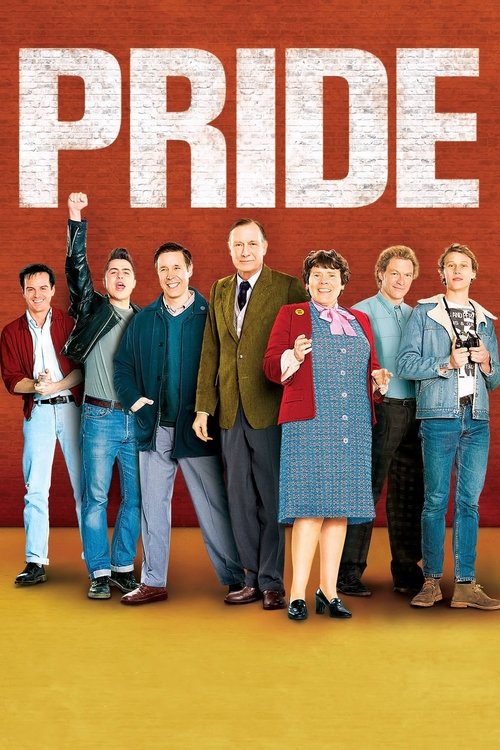
Pride
In 1984, a group of LGBT activists decide to raise money to support the National Union of Mineworkers during their lengthy strike. There is only one problem: the Union seems embarrassed to receive their support.
The film earned $16.7M at the global box office.
1 BAFTA Award10 wins & 25 nominations


Plot Structure
Story beats plotted across runtime


Narrative Arc
Emotional journey through the story's key moments
Story Circle
Blueprint 15-beat structure
Arcplot Score Breakdown
Weighted: Precision (70%) + Arc (15%) + Theme (15%)
Pride (2014) demonstrates deliberately positioned plot construction, characteristic of Matthew Warchus's storytelling approach. This structural analysis examines how the film's 15-point plot structure maps to proven narrative frameworks across 2 hours. With an Arcplot score of 7.9, the film showcases strong structural fundamentals.
Characters
Cast & narrative archetypes

Mark Ashton
Joe Cooper
Gethin Roberts
Jonathan Blake
Dai Donovan
Cliff Barry
Hefina Headon
Steph Chambers
Mike Jackson
Main Cast & Characters
Mark Ashton
Played by Ben Schnetzer
Charismatic gay activist who leads LGSM (Lesbians and Gays Support the Miners), bringing together unlikely allies through his vision and passion.
Joe Cooper
Played by George MacKay
Shy, closeted young man who finds his voice and identity through activism, growing from timid observer to confident advocate.
Gethin Roberts
Played by Andrew Scott
Welsh activist and bookshop owner, deeply committed to both LGBTQ+ rights and labor movements, serving as bridge between communities.
Jonathan Blake
Played by Dominic West
Cultured, reserved member of LGSM who provides intellectual perspective and eventually opens up emotionally.
Dai Donovan
Played by Paddy Considine
Initially skeptical Welsh miner who becomes key ally, showing growth from prejudice to acceptance and friendship.
Cliff Barry
Played by Bill Nighy
Elderly Welsh miner and community leader who champions the partnership despite local resistance, embodying principled solidarity.
Hefina Headon
Played by Imelda Staunton
Strong-willed Welsh woman who leads miners' wives support group, fierce advocate for equality and practical organizer.
Steph Chambers
Played by Faye Marsay
Outspoken lesbian activist in LGSM, uncompromising feminist and advocate who challenges both gay men and miners to grow.
Mike Jackson
Played by Joseph Gilgun
Pragmatic leader of LGSM who provides organizational skills and steady guidance to the group.
Structural Analysis
The Status Quo at 1 minutes (1% through the runtime) establishes Joe is a closeted young gay man living with his parents in suburban London, hiding his identity and attending a Pride march for the first time in 1984.. Significantly, this early placement immediately immerses viewers in the story world.
The inciting incident occurs at 15 minutes when LGSM successfully raises their first bucket of money for the miners. The group now has funds but no miners' community will accept their donation due to prejudice, forcing them to find a creative solution.. At 12% through the film, this Disruption aligns precisely with traditional story structure. This beat shifts the emotional landscape, launching the protagonist into the central conflict.
The First Threshold at 29 minutes marks the transition into Act II, occurring at 25% of the runtime. This demonstrates the protagonist's commitment to LGSM actively chooses to travel to Wales to meet the miners in person. They cross into unfamiliar territory, leaving the safety of London to face potential hostility in the Welsh mining village., moving from reaction to action.
At 60 minutes, the Midpoint arrives at 50% of the runtime—precisely centered, creating perfect narrative symmetry. Notably, this crucial beat False victory: The miners visit London for a huge benefit concert. The event is a massive success, and the two communities celebrate together with dancing and joy. The alliance seems triumphant, but challenges loom., fundamentally raising what's at risk. The emotional intensity shifts, dividing the narrative into clear before-and-after phases.
The Collapse moment at 88 minutes (74% through) represents the emotional nadir. Here, The miners' strike ends in defeat. The pits will close, the village faces economic devastation, and Mark Ashton reveals he is dying of AIDS. The literal "whiff of death" arrives as their charismatic leader faces mortality and their cause has failed., indicates the protagonist at their lowest point. This beat's placement in the final quarter sets up the climactic reversal.
The Second Threshold at 97 minutes initiates the final act resolution at 81% of the runtime. The Welsh miners announce they will march with LGSM at London Pride to return the solidarity they received. This synthesis moment shows both groups have been transformed - the miners will publicly support gay rights despite stigma., demonstrating the transformation achieved throughout the journey.
Emotional Journey
Pride's emotional architecture traces a deliberate progression across 15 carefully calibrated beats.
Narrative Framework
This structural analysis employs systematic plot point analysis that identifies crucial turning points. By mapping Pride against these established plot points, we can identify how Matthew Warchus utilizes or subverts traditional narrative conventions. The plot point approach reveals not only adherence to structural principles but also creative choices that distinguish Pride within the drama genre.
Matthew Warchus's Structural Approach
Among the 2 Matthew Warchus films analyzed on Arcplot, the average structural score is 7.6, reflecting strong command of classical structure. Pride represents one of the director's most structurally precise works. For comparative analysis, explore the complete Matthew Warchus filmography.
Comparative Analysis
Additional drama films include After Thomas, South Pacific and Dirty Dancing: Havana Nights. For more Matthew Warchus analyses, see Roald Dahl's Matilda the Musical.
Plot Points by Act
Act I
SetupStatus Quo
Joe is a closeted young gay man living with his parents in suburban London, hiding his identity and attending a Pride march for the first time in 1984.
Theme
Mark Ashton declares that the gay community should support the miners: "Mining communities are being bullied just like we are. They need our help." The theme of solidarity between marginalized groups is stated.
Worldbuilding
Introduction to the LGSM group (Lesbians and Gays Support the Miners), Mark's activist vision, the 1984 miners' strike context, and the various characters in the London gay community who will form the support group.
Disruption
LGSM successfully raises their first bucket of money for the miners. The group now has funds but no miners' community will accept their donation due to prejudice, forcing them to find a creative solution.
Resistance
LGSM debates how to deliver their support. They randomly select a Welsh mining village (Onllwyn) and make contact. The group prepares for potential rejection while building their resolve to follow through.
Act II
ConfrontationFirst Threshold
LGSM actively chooses to travel to Wales to meet the miners in person. They cross into unfamiliar territory, leaving the safety of London to face potential hostility in the Welsh mining village.
Mirror World
Joe and the LGSM members meet Dai, Hefina, and the Welsh villagers. This Mirror World relationship represents the thematic heart: two marginalized communities learning to see their shared humanity beyond their differences.
Premise
The "promise of the premise" - gay activists and Welsh miners forming an unlikely friendship. LGSM raises money through benefit concerts, the groups visit each other, stereotypes break down, and genuine bonds form despite cultural differences.
Midpoint
False victory: The miners visit London for a huge benefit concert. The event is a massive success, and the two communities celebrate together with dancing and joy. The alliance seems triumphant, but challenges loom.
Opposition
Opposition intensifies from multiple fronts: a tabloid exposes LGSM's sexuality, causing division in the village; some miners reject the support; Joe's parents discover his secret; internal conflicts strain both communities; and the strike itself begins to falter.
Collapse
The miners' strike ends in defeat. The pits will close, the village faces economic devastation, and Mark Ashton reveals he is dying of AIDS. The literal "whiff of death" arrives as their charismatic leader faces mortality and their cause has failed.
Crisis
Dark night of the soul: The group processes the defeat and Mark's diagnosis. Everything they fought for seems lost. Joe is estranged from his family. The alliance appears to have been for nothing as both communities face their darkest hour.
Act III
ResolutionSecond Threshold
The Welsh miners announce they will march with LGSM at London Pride to return the solidarity they received. This synthesis moment shows both groups have been transformed - the miners will publicly support gay rights despite stigma.
Synthesis
The finale: Busloads of Welsh miners travel to London Pride 1985. They march together in a massive show of solidarity. The alliance proves that their friendship transcended the strike itself and created lasting change in both communities.
Transformation
Joe, now out and proud, marches with his chosen family. The closing image mirrors the opening - Joe at Pride - but he is transformed from a scared closeted youth to a confident activist surrounded by community and purpose.