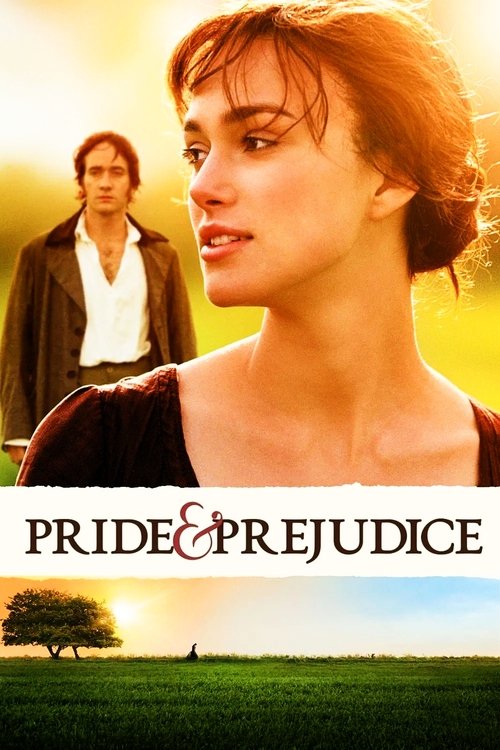
Pride & Prejudice
A story of love and life among the landed English gentry during the Georgian era. Mr. Bennet is a gentleman living in Hertfordshire with his overbearing wife and five daughters, but if he dies their house will be inherited by a distant cousin whom they have never met, so the family's future happiness and security is dependent on the daughters making good marriages.
Despite a respectable budget of $28.0M, Pride & Prejudice became a commercial success, earning $124.6M worldwide—a 345% return.
Nominated for 4 Oscars. 13 wins & 59 nominations


Plot Structure
Story beats plotted across runtime


Narrative Arc
Emotional journey through the story's key moments
Story Circle
Blueprint 15-beat structure
Arcplot Score Breakdown
Weighted: Precision (70%) + Arc (15%) + Theme (15%)
Pride & Prejudice (2005) showcases meticulously timed story structure, characteristic of Joe Wright's storytelling approach. This structural analysis examines how the film's 15-point plot structure maps to proven narrative frameworks across 2 hours and 7 minutes. With an Arcplot score of 6.8, the film balances conventional beats with creative variation.
Characters
Cast & narrative archetypes

Elizabeth Bennet
Mr. Fitzwilliam Darcy
Jane Bennet
Mr. Charles Bingley
Mr. Bennet
Mrs. Bennet
Mr. William Collins
Charlotte Lucas
Mr. George Wickham
Lydia Bennet
Lady Catherine de Bourgh
Main Cast & Characters
Elizabeth Bennet
Played by Keira Knightley
Second eldest Bennet daughter, intelligent and headstrong woman who must overcome her own prejudice to find love.
Mr. Fitzwilliam Darcy
Played by Matthew Macfadyen
Wealthy aristocrat who must overcome his pride and class prejudice to earn Elizabeth's love.
Jane Bennet
Played by Rosamund Pike
Eldest and most beautiful Bennet daughter, sweet-natured and optimistic about others' intentions.
Mr. Charles Bingley
Played by Simon Woods
Darcy's good-natured and wealthy friend who falls in love with Jane Bennet.
Mr. Bennet
Played by Donald Sutherland
Father of the Bennet sisters, sardonic and witty man who prefers his study to family drama.
Mrs. Bennet
Played by Brenda Blethyn
Overbearing mother obsessed with marrying off her five daughters to wealthy men.
Mr. William Collins
Played by Tom Hollander
Obsequious clergyman and heir to the Bennet estate who proposes to Elizabeth.
Charlotte Lucas
Played by Claudie Blakley
Elizabeth's pragmatic best friend who makes a calculated marriage to Mr. Collins.
Mr. George Wickham
Played by Rupert Friend
Charming but deceitful officer who manipulates Elizabeth with lies about Darcy.
Lydia Bennet
Played by Jena Malone
Youngest and most reckless Bennet daughter who elopes with Wickham, scandalizing the family.
Lady Catherine de Bourgh
Played by Judi Dench
Darcy's imperious aunt who attempts to prevent his marriage to Elizabeth.
Structural Analysis
The Status Quo at 1 minutes (1% through the runtime) establishes Elizabeth walks through the countryside at dawn reading a book, approaching Longbourn—establishing her as an intelligent, independent woman trapped in a world of limited options for women of modest means.. The analysis reveals that this early placement immediately immerses viewers in the story world.
The inciting incident occurs at 15 minutes when At the Meryton assembly ball, Elizabeth overhears Darcy dismiss her as "barely tolerable" and "not handsome enough to tempt me"—a public humiliation that sparks her prejudice against him and disrupts her confidence in her own worth.. At 12% through the film, this Disruption aligns precisely with traditional story structure. This beat shifts the emotional landscape, launching the protagonist into the central conflict.
The First Threshold at 32 minutes marks the transition into Act II, occurring at 25% of the runtime. This indicates the protagonist's commitment to Bingley abruptly departs Netherfield with his party, breaking Jane's heart. Elizabeth chooses to believe Darcy orchestrated the separation, cementing her prejudice and committing to viewing him as her enemy—actively choosing antagonism over objectivity., moving from reaction to action.
At 64 minutes, the Midpoint arrives at 50% of the runtime—precisely centered, creating perfect narrative symmetry. Significantly, this crucial beat Darcy confesses his love in the rain at Hunsford, declaring he loves Elizabeth "most ardently" despite her inferior connections. Elizabeth rejects him furiously, accusing him of destroying Jane's happiness and ruining Wickham. A false defeat that forces both to confront their flaws., fundamentally raising what's at risk. The emotional intensity shifts, dividing the narrative into clear before-and-after phases.
The Collapse moment at 95 minutes (75% through) represents the emotional nadir. Here, Elizabeth learns of Lydia's scandalous elopement with Wickham. The family faces social ruin—no gentleman will marry any Bennet daughter now. Elizabeth realizes she loves Darcy precisely when she believes she has lost him forever, as he could never ally himself with such disgrace., indicates the protagonist at their lowest point. This beat's placement in the final quarter sets up the climactic reversal.
The Second Threshold at 102 minutes initiates the final act resolution at 80% of the runtime. Lady Catherine arrives to demand Elizabeth promise never to accept Darcy. Elizabeth refuses, declaring she will make no such promise. This defiance—reported to Darcy—gives him hope that Elizabeth's feelings have changed, enabling him to propose again., demonstrating the transformation achieved throughout the journey.
Emotional Journey
Pride & Prejudice's emotional architecture traces a deliberate progression across 15 carefully calibrated beats.
Narrative Framework
This structural analysis employs a 15-point narrative structure framework that maps key story moments. By mapping Pride & Prejudice against these established plot points, we can identify how Joe Wright utilizes or subverts traditional narrative conventions. The plot point approach reveals not only adherence to structural principles but also creative choices that distinguish Pride & Prejudice within the drama genre.
Joe Wright's Structural Approach
Among the 6 Joe Wright films analyzed on Arcplot, the average structural score is 6.8, demonstrating varied approaches to story architecture. Pride & Prejudice exemplifies the director's characteristic narrative technique. For comparative analysis, explore the complete Joe Wright filmography.
Comparative Analysis
Additional drama films include After Thomas, South Pacific and Dirty Dancing: Havana Nights. For more Joe Wright analyses, see Hanna, Darkest Hour and The Soloist.
Plot Points by Act
Act I
SetupStatus Quo
Elizabeth walks through the countryside at dawn reading a book, approaching Longbourn—establishing her as an intelligent, independent woman trapped in a world of limited options for women of modest means.
Theme
Mrs. Bennet declares that a single man in possession of a good fortune must be in want of a wife—stating the theme of marriage, class, and the tension between love and economic necessity that Elizabeth must navigate.
Worldbuilding
The Bennet family dynamics are established: five daughters without inheritance prospects, a sardonic father, an anxious mother obsessed with advantageous marriages, and Elizabeth's close bond with Jane. The Meryton ball introduces the social world and its rigid class expectations.
Disruption
At the Meryton assembly ball, Elizabeth overhears Darcy dismiss her as "barely tolerable" and "not handsome enough to tempt me"—a public humiliation that sparks her prejudice against him and disrupts her confidence in her own worth.
Resistance
Elizabeth navigates multiple suitors and social encounters: she resists Darcy's growing attention, befriends the charming Wickham who poisons her against Darcy with tales of mistreatment, and witnesses Jane's growing attachment to Bingley. Charlotte Lucas serves as a pragmatic guide, counseling Jane to show more affection.
Act II
ConfrontationFirst Threshold
Bingley abruptly departs Netherfield with his party, breaking Jane's heart. Elizabeth chooses to believe Darcy orchestrated the separation, cementing her prejudice and committing to viewing him as her enemy—actively choosing antagonism over objectivity.
Mirror World
Elizabeth visits Charlotte at Hunsford Parsonage and encounters Darcy at Rosings Park. Lady Catherine de Bourgh's domineering presence and Mr. Collins' sycophancy create a mirror world where Elizabeth sees both the suffocating reality of marriages of convenience and Darcy in a new domestic context.
Premise
Elizabeth and Darcy engage in verbal sparring at Rosings, their intellectual attraction growing beneath their antagonism. Tension builds through charged conversations, loaded glances, and the famous hand-flexing moment after Darcy helps Elizabeth into the carriage—the promise of the enemies-to-lovers premise.
Midpoint
Darcy confesses his love in the rain at Hunsford, declaring he loves Elizabeth "most ardently" despite her inferior connections. Elizabeth rejects him furiously, accusing him of destroying Jane's happiness and ruining Wickham. A false defeat that forces both to confront their flaws.
Opposition
Darcy's letter reveals the truth about Wickham's depravity and his genuine concern for Bingley, shattering Elizabeth's prejudice. She visits Pemberley, sees Darcy's true character through his servants and his gracious reception of the Gardiners. Just as reconciliation seems possible, Lydia's elopement with Wickham threatens total disgrace.
Collapse
Elizabeth learns of Lydia's scandalous elopement with Wickham. The family faces social ruin—no gentleman will marry any Bennet daughter now. Elizabeth realizes she loves Darcy precisely when she believes she has lost him forever, as he could never ally himself with such disgrace.
Crisis
The Bennets await news in anguish. Mr. Bennet searches London fruitlessly. Elizabeth grieves the loss of Darcy, whom she now recognizes as her true match. When Lydia returns married, she inadvertently reveals that Darcy paid Wickham and arranged everything—demonstrating his love through action.
Act III
ResolutionSecond Threshold
Lady Catherine arrives to demand Elizabeth promise never to accept Darcy. Elizabeth refuses, declaring she will make no such promise. This defiance—reported to Darcy—gives him hope that Elizabeth's feelings have changed, enabling him to propose again.
Synthesis
Bingley returns to propose to Jane. Darcy accompanies him, and Elizabeth thanks him for saving her family. At dawn, Darcy crosses the misty field to find Elizabeth—both have shed their pride and prejudice. He proposes again, she accepts, and both families celebrate the double engagement.
Transformation
Elizabeth and Darcy sit together at Pemberley at peace—she calls him "Mr. Darcy" teasingly, and he asks when she will call him by his Christian name. The woman who walked alone reading at dawn now sits with an equal partner, having found love that honors both her intelligence and her heart.