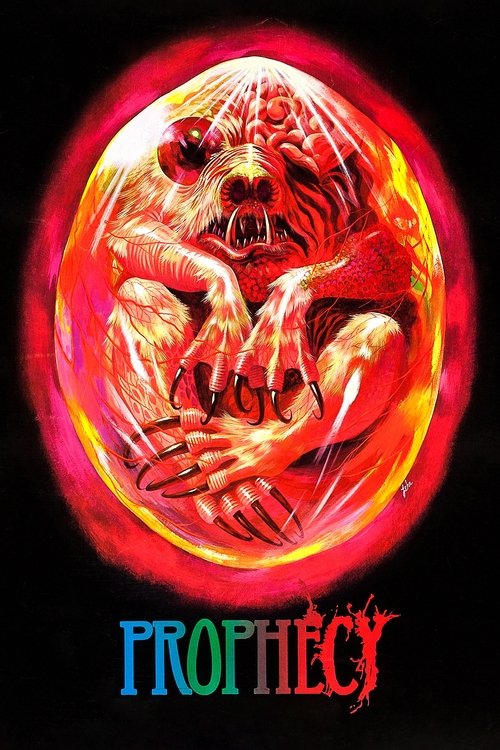
Prophecy
When a dispute occurs between a logging operation and a nearby Native American tribe, Dr. Robert Verne and his wife, Maggie, are sent in to mediate. Chief John Hawks insists the loggers are poisoning the water supply, and, though company man Isley denies it, the Vernes can't ignore the strangely mutated wildlife roaming the woods. Robert captures a bear cub for testing and soon finds himself the target of an angry mutant grizzly.
Despite its modest budget of $12.0M, Prophecy became a financial success, earning $54.0M worldwide—a 350% return. The film's fresh perspective connected with viewers, proving that strong storytelling can transcend budget limitations.


Plot Structure
Story beats plotted across runtime


Narrative Arc
Emotional journey through the story's key moments
Story Circle
Blueprint 15-beat structure
Arcplot Score Breakdown
Weighted: Precision (70%) + Arc (15%) + Theme (15%)
Prophecy (1979) showcases precise dramatic framework, characteristic of John Frankenheimer's storytelling approach. This structural analysis examines how the film's 15-point plot structure maps to proven narrative frameworks across 1 hour and 42 minutes. With an Arcplot score of 7.3, the film balances conventional beats with creative variation.
Characters
Cast & narrative archetypes

Dr. Robert Verne
Maggie Verne
Isley
John Hawks
Ramona Hawks
Main Cast & Characters
Dr. Robert Verne
Played by Robert Foxworth
An idealistic environmental doctor sent to investigate a logging dispute who uncovers mercury poisoning and mutated creatures.
Maggie Verne
Played by Talia Shire
Robert's pregnant wife, a classical musician who accompanies him to Maine and faces the horror alongside him.
Isley
Played by Richard Dysart
The ruthless lumber company executive who prioritizes profit over environmental and human safety.
John Hawks
Played by Armand Assante
A Native American activist fighting to protect his people's land from the lumber company's destructive practices.
Ramona Hawks
Played by Victoria Racimo
John Hawks' wife, a member of the Native American community affected by the environmental contamination.
Structural Analysis
The Status Quo at 1 minutes (1% through the runtime) establishes A rescue team with dogs searches the Maine wilderness at night. The dogs turn on their handlers, and the searchers are violently killed by an unseen force, establishing a world where nature has become deadly and unpredictable.. The analysis reveals that this early placement immediately immerses viewers in the story world.
The inciting incident occurs at 13 minutes when The EPA formally assigns Dr. Verne to investigate the environmental dispute in the Maine forest between the Pitney Paper Mill and the local Opas tribe. This disrupts his routine and sends him toward the heart of the environmental horror.. At 12% through the film, this Disruption aligns precisely with traditional story structure. This beat shifts the emotional landscape, launching the protagonist into the central conflict.
The First Threshold at 26 minutes marks the transition into Act II, occurring at 26% of the runtime. This shows the protagonist's commitment to Robert commits to venturing deep into the wilderness with Maggie, John Hawks, and his wife Ramona to investigate both the pollution claims and the mysterious deaths. He chooses to go beyond the safety of civilization into the contaminated forest., moving from reaction to action.
At 52 minutes, the Midpoint arrives at 51% of the runtime—precisely centered, creating perfect narrative symmetry. Significantly, this crucial beat The mother creature—Katahdin, a massive mutated bear—attacks their camp at night, killing one of the party. Robert now understands the "forest spirit" is real: a grotesque product of industrial pollution. The investigation becomes a fight for survival., fundamentally raising what's at risk. The emotional intensity shifts, dividing the narrative into clear before-and-after phases.
The Collapse moment at 77 minutes (75% through) represents the emotional nadir. Here, Katahdin attacks their vehicle, killing the mutant cub Robert hoped would serve as evidence. Ramona dies protecting others. The survivors are stranded in the wilderness with no proof and no escape, facing a creature born of the very pollution Robert was sent to document., shows the protagonist at their lowest point. This beat's placement in the final quarter sets up the climactic reversal.
The Second Threshold at 82 minutes initiates the final act resolution at 80% of the runtime. Robert resolves to fight rather than flee. With Maggie's pregnancy revealed, he transforms from passive investigator to active protector. He and Hawks devise a plan to confront and kill Katahdin, choosing to face the monster directly., demonstrating the transformation achieved throughout the journey.
Emotional Journey
Prophecy's emotional architecture traces a deliberate progression across 15 carefully calibrated beats.
Narrative Framework
This structural analysis employs structural analysis methodology used to understand storytelling architecture. By mapping Prophecy against these established plot points, we can identify how John Frankenheimer utilizes or subverts traditional narrative conventions. The plot point approach reveals not only adherence to structural principles but also creative choices that distinguish Prophecy within the horror genre.
John Frankenheimer's Structural Approach
Among the 11 John Frankenheimer films analyzed on Arcplot, the average structural score is 7.2, reflecting strong command of classical structure. Prophecy represents one of the director's most structurally precise works. For comparative analysis, explore the complete John Frankenheimer filmography.
Comparative Analysis
Additional horror films include Thinner, A Nightmare on Elm Street and Mary Reilly. For more John Frankenheimer analyses, see The Train, The Island of Dr. Moreau and French Connection II.
Plot Points by Act
Act I
SetupStatus Quo
A rescue team with dogs searches the Maine wilderness at night. The dogs turn on their handlers, and the searchers are violently killed by an unseen force, establishing a world where nature has become deadly and unpredictable.
Theme
In the urban tenement, a resident tells Dr. Verne that the rats keep coming back no matter what they do: "You can't fight nature." This encapsulates the film's central theme that environmental destruction will inevitably create monstrous blowback.
Worldbuilding
Dr. Robert Verne works as an EPA physician in urban squalor, feeling ineffective. His wife Maggie secretly discovers she's pregnant but fears telling him due to his cynicism about bringing children into a polluted world. The EPA offers Robert an assignment to investigate a dispute between a paper mill and Native Americans in Maine.
Disruption
The EPA formally assigns Dr. Verne to investigate the environmental dispute in the Maine forest between the Pitney Paper Mill and the local Opas tribe. This disrupts his routine and sends him toward the heart of the environmental horror.
Resistance
Robert and Maggie travel to Maine where they meet lumber mill representative Isley and witness the violent conflict between loggers and Native Americans led by John Hawks. Hawks becomes an unlikely guide, warning them about "Katahdin," a forest spirit the Opas believe is killing people. Robert dismisses it as superstition but agrees to investigate.
Act II
ConfrontationFirst Threshold
Robert commits to venturing deep into the wilderness with Maggie, John Hawks, and his wife Ramona to investigate both the pollution claims and the mysterious deaths. He chooses to go beyond the safety of civilization into the contaminated forest.
Mirror World
Maggie bonds with Ramona Hawks by the river, and Ramona reveals she has lost children to mysterious birth defects. Maggie's pregnancy secret becomes a ticking time bomb as the thematic parallel emerges: environmental poison affects the most vulnerable—the unborn.
Premise
The expedition uncovers escalating horrors: a massive mutant salmon, deformed tadpoles, and a monstrous raccoon. Robert realizes mercury contamination from the paper mill is causing mutations throughout the food chain. He finds a hideously deformed bear cub, proving the pollution is creating monsters. Maggie's fear grows as she ate contaminated fish.
Midpoint
The mother creature—Katahdin, a massive mutated bear—attacks their camp at night, killing one of the party. Robert now understands the "forest spirit" is real: a grotesque product of industrial pollution. The investigation becomes a fight for survival.
Opposition
The survivors flee through the forest as Katahdin stalks them. A group of campers are brutally slaughtered (including the infamous sleeping bag death). Robert tries to get the evidence and the mutant cub to authorities, but the creature relentlessly pursues. Isley reveals the paper mill knew about the mercury all along and covered it up.
Collapse
Katahdin attacks their vehicle, killing the mutant cub Robert hoped would serve as evidence. Ramona dies protecting others. The survivors are stranded in the wilderness with no proof and no escape, facing a creature born of the very pollution Robert was sent to document.
Crisis
The remaining survivors—Robert, Maggie, and Hawks—take shelter and confront the reality of their situation. Maggie finally reveals her pregnancy to Robert, adding devastating stakes: she may be carrying a mutated child from eating the contaminated fish.
Act III
ResolutionSecond Threshold
Robert resolves to fight rather than flee. With Maggie's pregnancy revealed, he transforms from passive investigator to active protector. He and Hawks devise a plan to confront and kill Katahdin, choosing to face the monster directly.
Synthesis
The final confrontation unfolds at a rocky shoreline. Katahdin attacks with terrifying fury. Hawks is killed in the battle. Robert uses a bow and arrow—embracing the Native American methods he once dismissed—to finally slay the creature, shooting it as it corners Maggie.
Transformation
Robert and Maggie survive, embracing on the shore as Katahdin's body sinks. But the camera lingers on the forest, and a second mutant creature emerges—the horror is not over. The final image shows nature's revenge continues, and Maggie's unborn child's fate remains uncertain.