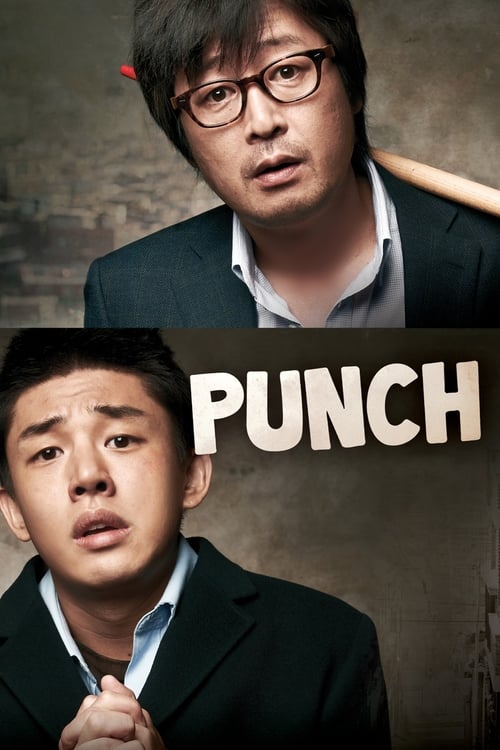
Punch
A deadbeat teacher helps an angry, aimless teenager find direction in life during his final year of high school.
Despite its modest budget of $4.2M, Punch became a runaway success, earning $34.0M worldwide—a remarkable 717% return. The film's fresh perspective connected with viewers, illustrating how strong storytelling can transcend budget limitations.
Plot Structure
Story beats plotted across runtime


Narrative Arc
Emotional journey through the story's key moments
Story Circle
Blueprint 15-beat structure
Arcplot Score Breakdown
Weighted: Precision (70%) + Arc (15%) + Theme (15%)
Punch (2011) demonstrates strategically placed plot construction, characteristic of Lee Han's storytelling approach. This structural analysis examines how the film's 15-point plot structure maps to proven narrative frameworks across 1 hour and 50 minutes. With an Arcplot score of 7.3, the film balances conventional beats with creative variation.
Structural Analysis
The Status Quo at 1 minutes (1% through the runtime) establishes Wan-deuk is a troubled high school student living a directionless life, skipping school, getting into fights, and showing no ambition or purpose.. The analysis reveals that this early placement immediately immerses viewers in the story world.
The inciting incident occurs at 14 minutes when Teacher Dong-joo assigns Wan-deuk to write about his dream and participate in the school talent show, forcing him to confront his lack of direction and purpose.. At 12% through the film, this Disruption aligns precisely with traditional story structure. This beat shifts the emotional landscape, launching the protagonist into the central conflict.
The First Threshold at 28 minutes marks the transition into Act II, occurring at 25% of the runtime. This shows the protagonist's commitment to Wan-deuk makes the active choice to join the kickboxing gym and commit to training, marking his decision to change his life and pursue a meaningful goal., moving from reaction to action.
At 56 minutes, the Midpoint arrives at 51% of the runtime—precisely centered, creating perfect narrative symmetry. Structural examination shows that this crucial beat Wan-deuk wins his first amateur kickboxing match, experiencing success and validation. This false victory makes him believe he's found his path, but the stakes are about to escalate dramatically., fundamentally raising what's at risk. The emotional intensity shifts, dividing the narrative into clear before-and-after phases.
The Collapse moment at 83 minutes (76% through) represents the emotional nadir. Here, Wan-deuk's father dies, devastating him completely. This "whiff of death" represents the loss of his primary motivation and the person he was fighting for, leaving him broken and questioning everything., reveals the protagonist at their lowest point. This beat's placement in the final quarter sets up the climactic reversal.
The Second Threshold at 89 minutes initiates the final act resolution at 81% of the runtime. Wan-deuk realizes his father would want him to continue and that kickboxing has become part of his own identity, not just something he did for his father. He chooses to honor his father's memory by fighting., demonstrating the transformation achieved throughout the journey.
Emotional Journey
Punch's emotional architecture traces a deliberate progression across 15 carefully calibrated beats.
Narrative Framework
This structural analysis employs systematic plot point analysis that identifies crucial turning points. By mapping Punch against these established plot points, we can identify how Lee Han utilizes or subverts traditional narrative conventions. The plot point approach reveals not only adherence to structural principles but also creative choices that distinguish Punch within the drama genre.
Comparative Analysis
Additional drama films include After Thomas, South Pacific and Dirty Dancing: Havana Nights.
Plot Points by Act
Act I
SetupStatus Quo
Wan-deuk is a troubled high school student living a directionless life, skipping school, getting into fights, and showing no ambition or purpose.
Theme
Teacher Dong-joo tells Wan-deuk that everyone has potential and can change if they find something worth fighting for, hinting at the film's central theme of redemption through purpose.
Worldbuilding
Establishment of Wan-deuk's broken world: his mentally handicapped father, poverty, bullying at school, conflicts with authority, and his reputation as a violent troublemaker with no future prospects.
Disruption
Teacher Dong-joo assigns Wan-deuk to write about his dream and participate in the school talent show, forcing him to confront his lack of direction and purpose.
Resistance
Wan-deuk resists change and initially rejects help. Dong-joo persists as a mentor figure, while Wan-deuk begins observing kickboxing and considering it as a path forward despite his resistance.
Act II
ConfrontationFirst Threshold
Wan-deuk makes the active choice to join the kickboxing gym and commit to training, marking his decision to change his life and pursue a meaningful goal.
Mirror World
Wan-deuk's relationship with Dong-joo deepens as the teacher becomes a father figure, and his connection with his handicapped father strengthens, representing the love and acceptance he needs to grow.
Premise
The "fun and games" of Wan-deuk's transformation: grueling training montages, small victories in the gym, growing confidence, bonding with his trainer, improving relationships, and discovering self-worth through discipline.
Midpoint
Wan-deuk wins his first amateur kickboxing match, experiencing success and validation. This false victory makes him believe he's found his path, but the stakes are about to escalate dramatically.
Opposition
External pressures mount: Wan-deuk's father's health deteriorates, financial struggles intensify, challenges at school resurface, and the demands of serious competition increase, testing his commitment and exposing his vulnerabilities.
Collapse
Wan-deuk's father dies, devastating him completely. This "whiff of death" represents the loss of his primary motivation and the person he was fighting for, leaving him broken and questioning everything.
Crisis
Wan-deuk grieves and contemplates giving up kickboxing entirely. He processes the profound loss, wallowing in darkness and despair, uncertain if he can continue without his father.
Act III
ResolutionSecond Threshold
Wan-deuk realizes his father would want him to continue and that kickboxing has become part of his own identity, not just something he did for his father. He chooses to honor his father's memory by fighting.
Synthesis
Wan-deuk returns to training with renewed purpose, integrating the lessons from Dong-joo and the love from his father. He prepares for and enters the final championship match, fighting with maturity and purpose.
Transformation
Wan-deuk stands in the ring after the final match, transformed from a directionless delinquent into a young man with purpose, dignity, and self-respect, honoring his father's memory through his own strength.