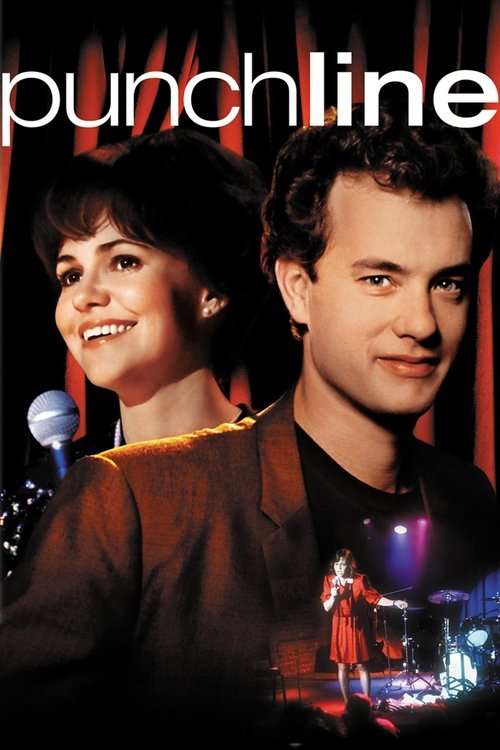
Punchline
Lilah Krytsick is a mother and housewife who's always believed she could be a stand-up comedian. Steven Gold is an experienced stand-up seemingly on the cusp of success. When the two meet, they form an unlikely friendship, and Steven tries to help the untried Lilah develop her stage act. Despite the objections of her family and some very wobbly beginnings, Lilah improves, and soon she finds herself competing with Steven for a coveted television spot.
Working with a moderate budget of $15.0M, the film achieved a respectable showing with $21.0M in global revenue (+40% profit margin).


Plot Structure
Story beats plotted across runtime


Narrative Arc
Emotional journey through the story's key moments
Story Circle
Blueprint 15-beat structure
Arcplot Score Breakdown
Weighted: Precision (70%) + Arc (15%) + Theme (15%)
Punchline (1988) exhibits strategically placed dramatic framework, characteristic of David Seltzer's storytelling approach. This structural analysis examines how the film's 15-point plot structure maps to proven narrative frameworks across 2 hours and 3 minutes. With an Arcplot score of 7.7, the film showcases strong structural fundamentals.
Characters
Cast & narrative archetypes

Steven Gold
Lilah Krytsick
John Krytsick
Madeline Urie
Romeo
Main Cast & Characters
Steven Gold
Played by Tom Hanks
A gifted but self-destructive stand-up comedian struggling with his career and personal demons while mentoring others at the comedy club.
Lilah Krytsick
Played by Sally Field
A New Jersey housewife and mother who pursues her dream of becoming a stand-up comedian despite family obligations and self-doubt.
John Krytsick
Played by John Goodman
Lilah's traditional husband who struggles to understand and support his wife's comedy ambitions while feeling neglected.
Madeline Urie
Played by Kim Greist
Steven's wealthy, patient girlfriend who loves him but grows increasingly frustrated with his self-destructive behavior and inability to commit.
Romeo
Played by Damon Wayans
A fellow comedian at the club who befriends Steven and represents the struggling artist trying to make it in comedy.
Structural Analysis
The Status Quo at 1 minutes (1% through the runtime) establishes Opening image establishes two contrasting worlds: Steven Gold performing confidently in gritty NYC comedy clubs while Lilah Krytsick watches nervously from the audience, a suburban housewife completely out of her element in the harsh stand-up comedy scene.. Structural examination shows that this early placement immediately immerses viewers in the story world.
The inciting incident occurs at 14 minutes when Lilah enrolls in a stand-up comedy workshop and commits to performing at open mic nights, making the active decision to pursue her dream despite her family responsibilities and complete lack of experience.. At 12% through the film, this Disruption aligns precisely with traditional story structure. This beat shifts the emotional landscape, launching the protagonist into the central conflict.
The First Threshold at 32 minutes marks the transition into Act II, occurring at 26% of the runtime. This illustrates the protagonist's commitment to Steven agrees to mentor Lilah, actively choosing to invest in her development as a comedian. This launches them both into a new world of collaboration and deepening connection, marking Lilah's true entry into the comedy world with a guide., moving from reaction to action.
At 62 minutes, the Midpoint arrives at 50% of the runtime—precisely centered, creating perfect narrative symmetry. The analysis reveals that this crucial beat False victory becomes complication: Lilah's comedy improves significantly, but romantic tension between her and Steven reaches a critical point. A major showcase opportunity is announced, raising the stakes. The fun is over as both realize their relationship threatens their personal lives and the costs of their ambitions become real., fundamentally raising what's at risk. The emotional intensity shifts, dividing the narrative into clear before-and-after phases.
The Collapse moment at 91 minutes (74% through) represents the emotional nadir. Here, All is lost: The relationship between Steven and Lilah reaches crisis point, threatening everything. Lilah faces the real possibility of losing her family. Steven's self-sabotage peaks. The dream of comedy success carries a devastating personal cost, and both must confront whether it's worth the sacrifice. A "death" of innocence and the fantasy that they can have it all., indicates the protagonist at their lowest point. This beat's placement in the final quarter sets up the climactic reversal.
The Second Threshold at 99 minutes initiates the final act resolution at 80% of the runtime. Breakthrough realization: Lilah understands she must be authentic to who she really is - a wife and mother who also happens to be funny - rather than trying to be someone else. Steven recognizes he must help Lilah succeed even if it means letting go. They synthesize the lesson: truth in comedy, truth in life., demonstrating the transformation achieved throughout the journey.
Emotional Journey
Punchline's emotional architecture traces a deliberate progression across 15 carefully calibrated beats.
Narrative Framework
This structural analysis employs systematic plot point analysis that identifies crucial turning points. By mapping Punchline against these established plot points, we can identify how David Seltzer utilizes or subverts traditional narrative conventions. The plot point approach reveals not only adherence to structural principles but also creative choices that distinguish Punchline within the comedy genre.
David Seltzer's Structural Approach
Among the 3 David Seltzer films analyzed on Arcplot, the average structural score is 7.5, reflecting strong command of classical structure. Punchline represents one of the director's most structurally precise works. For comparative analysis, explore the complete David Seltzer filmography.
Comparative Analysis
Additional comedy films include The Bad Guys, Ella Enchanted and The Evening Star. For more David Seltzer analyses, see Shining Through, Lucas.
Plot Points by Act
Act I
SetupStatus Quo
Opening image establishes two contrasting worlds: Steven Gold performing confidently in gritty NYC comedy clubs while Lilah Krytsick watches nervously from the audience, a suburban housewife completely out of her element in the harsh stand-up comedy scene.
Theme
A fellow comedian or Steven remarks about comedy requiring you to expose your truth and risk everything. The theme is stated: What are you willing to sacrifice to become who you're meant to be?
Worldbuilding
Introduction to both protagonists' worlds: Steven as the talented but self-destructive medical school dropout with a disapproving father; Lilah as devoted wife and mother of three married to John (John Goodman), who dreams of more but faces family obligations. The competitive comedy club environment and open mic culture are established.
Disruption
Lilah enrolls in a stand-up comedy workshop and commits to performing at open mic nights, making the active decision to pursue her dream despite her family responsibilities and complete lack of experience.
Resistance
Lilah bombs repeatedly on stage, facing humiliation and self-doubt. Steven initially mocks her suburban housewife persona but begins to see potential. Tension builds as Lilah questions whether she can balance comedy with family life, while Steven wrestles with whether to help her.
Act II
ConfrontationFirst Threshold
Steven agrees to mentor Lilah, actively choosing to invest in her development as a comedian. This launches them both into a new world of collaboration and deepening connection, marking Lilah's true entry into the comedy world with a guide.
Mirror World
The mentor-student relationship between Steven and Lilah deepens into genuine friendship and mutual understanding. This B-story relationship becomes the emotional core that will force both characters to confront what they truly want versus what they should want.
Premise
The "fun and games" of comedy mentorship: Steven helps Lilah craft material from her real-life experiences, they workshop jokes together, and she begins to find her voice. Their chemistry grows as they spend more time together, while the competitive comedy club world provides both challenge and excitement.
Midpoint
False victory becomes complication: Lilah's comedy improves significantly, but romantic tension between her and Steven reaches a critical point. A major showcase opportunity is announced, raising the stakes. The fun is over as both realize their relationship threatens their personal lives and the costs of their ambitions become real.
Opposition
Everything tightens: Lilah's marriage to John becomes increasingly strained as she prioritizes comedy. Steven's self-destructive behavior intensifies and his own relationship deteriorates. The pressure of the upcoming showcase mounts. Both characters' personal lives begin to crumble under the weight of their choices and feelings for each other.
Collapse
All is lost: The relationship between Steven and Lilah reaches crisis point, threatening everything. Lilah faces the real possibility of losing her family. Steven's self-sabotage peaks. The dream of comedy success carries a devastating personal cost, and both must confront whether it's worth the sacrifice. A "death" of innocence and the fantasy that they can have it all.
Crisis
Dark night of the soul: Lilah wrestles with choosing between her family and her dreams. Steven confronts his patterns of self-destruction and relationship sabotage. Both face the loneliness of their choices and process the pain of what pursuing authenticity costs.
Act III
ResolutionSecond Threshold
Breakthrough realization: Lilah understands she must be authentic to who she really is - a wife and mother who also happens to be funny - rather than trying to be someone else. Steven recognizes he must help Lilah succeed even if it means letting go. They synthesize the lesson: truth in comedy, truth in life.
Synthesis
The finale showcase performance: Lilah takes the stage and delivers an authentic, heartfelt set drawing directly from her real experiences as a wife and mother. Steven performs his own set, confronting his demons. Both characters execute what they've learned, proving themselves while making peace with the costs and limitations of their choices.
Transformation
Final image shows Lilah having proven herself as a comedian while choosing to return to her family, now with self-knowledge and validation. Steven achieves a measure of redemption and self-acceptance. Both have been transformed: they pursued their truth and understand who they are, even if the resolution is bittersweet.