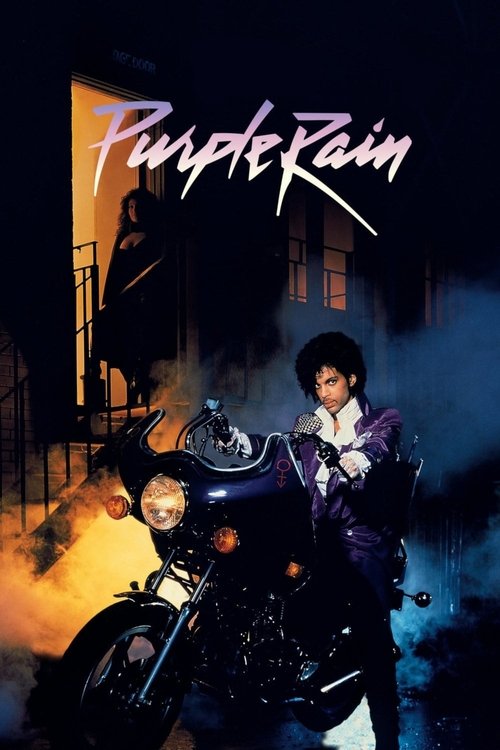
Purple Rain
A victim of his own anger, the Kid is a Minneapolis musician on the rise with his band, the Revolution, escaping a tumultuous home life through music. While trying to avoid making the same mistakes as his truculent father, the Kid navigates the club scene and a rocky relationship with a captivating singer, Apollonia. But another musician, Morris, looks to steal the Kid's spotlight -- and his girl.
Despite its limited budget of $7.2M, Purple Rain became a runaway success, earning $68.4M worldwide—a remarkable 850% return. The film's unique voice engaged audiences, showing that strong storytelling can transcend budget limitations.
1 Oscar. 10 wins & 6 nominations


Plot Structure
Story beats plotted across runtime


Narrative Arc
Emotional journey through the story's key moments
Story Circle
Blueprint 15-beat structure
Arcplot Score Breakdown
Weighted: Precision (70%) + Arc (15%) + Theme (15%)
Purple Rain (1984) reveals deliberately positioned plot construction, characteristic of Albert Magnoli's storytelling approach. This structural analysis examines how the film's 15-point plot structure maps to proven narrative frameworks across 1 hour and 51 minutes. With an Arcplot score of 7.5, the film showcases strong structural fundamentals.
Characters
Cast & narrative archetypes

The Kid
Apollonia
Morris Day
Jerome Benton
Wendy Melvoin
Lisa Coleman
The Kid's Father
Main Cast & Characters
The Kid
Played by Prince
A talented but troubled Minneapolis musician struggling with an abusive home life and relationship issues while fighting to maintain his place in the competitive music scene.
Apollonia
Played by Apollonia Kotero
An aspiring singer who arrives in Minneapolis seeking stardom and becomes romantically involved with The Kid while navigating the competing interests of Morris.
Morris Day
Played by Morris Day
The charismatic and confident leader of The Time, a rival band competing with The Kid for club dominance and audience attention.
Jerome Benton
Played by Jerome Benton
Morris Day's loyal sidekick and bandmate in The Time, serving as comic relief and Morris's personal assistant.
Wendy Melvoin
Played by Wendy Melvoin
Guitarist and backing vocalist in The Revolution who challenges The Kid to listen to their song ideas and become more collaborative.
Lisa Coleman
Played by Lisa Coleman
Keyboardist and backing vocalist in The Revolution who partners with Wendy in pushing The Kid to expand his creative approach.
The Kid's Father
Played by Clarence Williams III
A failed musician trapped in a violent, dysfunctional marriage who serves as a dark mirror of what The Kid could become.
Structural Analysis
The Status Quo at 1 minutes (1% through the runtime) establishes The Kid performs at First Avenue club with The Revolution, establishing his world as a talented but troubled musician in Minneapolis' competitive music scene, isolated and controlling.. Notably, this early placement immediately immerses viewers in the story world.
The inciting incident occurs at 13 minutes when Apollonia arrives in Minneapolis seeking stardom, and The Kid encounters her immediately. Her presence disrupts his isolated world and introduces the possibility of connection, though he doesn't yet know how to handle it.. At 12% through the film, this Disruption aligns precisely with traditional story structure. This beat shifts the emotional landscape, launching the protagonist into the central conflict.
The First Threshold at 28 minutes marks the transition into Act II, occurring at 25% of the runtime. This indicates the protagonist's commitment to The Kid chooses to open up to Apollonia, taking her to his sanctuary by the lake and beginning a romantic relationship. He actively chooses vulnerability over isolation, entering a new emotional world., moving from reaction to action.
At 56 minutes, the Midpoint arrives at 50% of the runtime—precisely centered, creating perfect narrative symmetry. Notably, this crucial beat False defeat: Billy tells The Kid that Morris Day and The Time are taking over the club, and The Kid's refusal to evolve his act is costing him his spot. Stakes raise dramatically - his career is threatened by his inability to collaborate., fundamentally raising what's at risk. The emotional intensity shifts, dividing the narrative into clear before-and-after phases.
The Collapse moment at 83 minutes (75% through) represents the emotional nadir. Here, The Kid's father attempts suicide, and The Kid finds him. This literal "whiff of death" forces The Kid to confront the destructive pattern he's inherited - isolation, violence, and refusing help destroy everything., shows the protagonist at their lowest point. This beat's placement in the final quarter sets up the climactic reversal.
The Second Threshold at 89 minutes initiates the final act resolution at 80% of the runtime. The Kid discovers and reads the song "Purple Rain" that Wendy and Lisa wrote. He realizes he must collaborate and be vulnerable to create something greater than himself. He chooses to perform their song at the crucial show., demonstrating the transformation achieved throughout the journey.
Emotional Journey
Purple Rain's emotional architecture traces a deliberate progression across 15 carefully calibrated beats.
Narrative Framework
This structural analysis employs a 15-point narrative structure framework that maps key story moments. By mapping Purple Rain against these established plot points, we can identify how Albert Magnoli utilizes or subverts traditional narrative conventions. The plot point approach reveals not only adherence to structural principles but also creative choices that distinguish Purple Rain within the drama genre.
Comparative Analysis
Additional drama films include After Thomas, South Pacific and Dirty Dancing: Havana Nights.
Plot Points by Act
Act I
SetupStatus Quo
The Kid performs at First Avenue club with The Revolution, establishing his world as a talented but troubled musician in Minneapolis' competitive music scene, isolated and controlling.
Theme
Morris Day tells The Kid he needs to loosen up and listen to others, foreshadowing the central theme: artistic greatness requires collaboration and vulnerability, not just control.
Worldbuilding
Introduction to The Kid's world: his band The Revolution, rival Morris Day and The Time, the First Avenue club as battleground, his abusive home life mirroring his father's failed music career, and his refusal to let Wendy and Lisa contribute songs.
Disruption
Apollonia arrives in Minneapolis seeking stardom, and The Kid encounters her immediately. Her presence disrupts his isolated world and introduces the possibility of connection, though he doesn't yet know how to handle it.
Resistance
The Kid pursues Apollonia while resisting change in his music and life. Morris Day recruits Apollonia for his girl group, creating rivalry. The Kid struggles between wanting connection and maintaining control, mirroring his parents' toxic relationship.
Act II
ConfrontationFirst Threshold
The Kid chooses to open up to Apollonia, taking her to his sanctuary by the lake and beginning a romantic relationship. He actively chooses vulnerability over isolation, entering a new emotional world.
Mirror World
Apollonia represents the thematic mirror - she wants success but also genuine connection. Her relationship with The Kid teaches him about collaboration and emotional openness, though he resists the lesson.
Premise
The Kid enjoys his relationship with Apollonia while maintaining his controlling approach to music. The Revolution performs, The Time challenges them, and tensions build as The Kid refuses Wendy and Lisa's songs while club owner Billy warns about declining attendance.
Midpoint
False defeat: Billy tells The Kid that Morris Day and The Time are taking over the club, and The Kid's refusal to evolve his act is costing him his spot. Stakes raise dramatically - his career is threatened by his inability to collaborate.
Opposition
The Kid's flaws intensify. He becomes more controlling and abusive toward Apollonia, driving her to Morris Day. He witnesses his father's violence worsen. His band grows frustrated with his ego. He rejects Wendy and Lisa's music again, losing both artistic and personal ground.
Collapse
The Kid's father attempts suicide, and The Kid finds him. This literal "whiff of death" forces The Kid to confront the destructive pattern he's inherited - isolation, violence, and refusing help destroy everything.
Crisis
The Kid processes his father's suicide attempt and the wreckage of his life. He finds his father's music in the basement, understanding his father was also a talented artist destroyed by pride and isolation.
Act III
ResolutionSecond Threshold
The Kid discovers and reads the song "Purple Rain" that Wendy and Lisa wrote. He realizes he must collaborate and be vulnerable to create something greater than himself. He chooses to perform their song at the crucial show.
Synthesis
The Kid returns to First Avenue for the final performance. He apologizes to the band, dedicates the performance to his father, and performs "Purple Rain" - Wendy and Lisa's song - with full vulnerability and collaboration, creating transcendent art through openness.
Transformation
The Kid triumphantly performs "I Would Die 4 U" with complete joy and freedom, transformed from isolated controller to collaborative artist. The audience and band are united, contrasting with his isolated opening image.