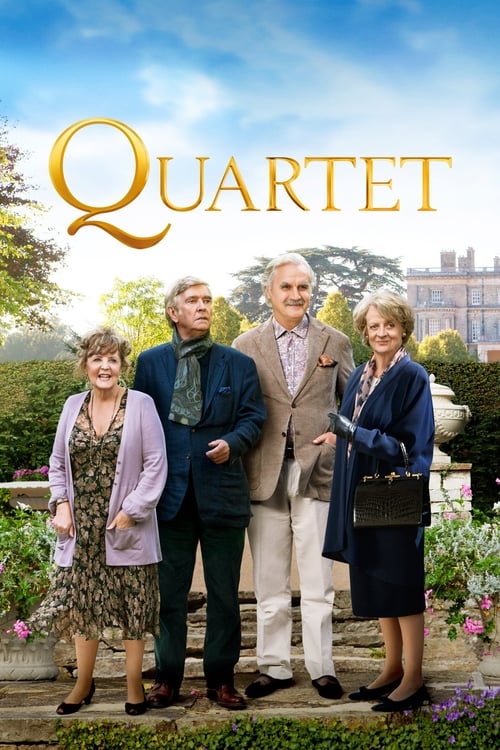
Quartet
Cissy, Reggie, and Wilf are in a home for retired musicians. Every year, there is a concert to celebrate Composer Giuseppe Verdi's birthday and they take part. Jean, who used to be married to Reggie, arrives at the home and disrupts their equilibrium. She still acts like a diva, but she refuses to sing. Still, the show must go on, and it does.
Despite its limited budget of $11.0M, Quartet became a financial success, earning $59.5M worldwide—a 441% return. The film's unique voice engaged audiences, confirming that strong storytelling can transcend budget limitations.
4 wins & 5 nominations


Plot Structure
Story beats plotted across runtime


Narrative Arc
Emotional journey through the story's key moments
Story Circle
Blueprint 15-beat structure
Arcplot Score Breakdown
Weighted: Precision (70%) + Arc (15%) + Theme (15%)
Quartet (2012) demonstrates precise narrative design, characteristic of Dustin Hoffman's storytelling approach. This structural analysis examines how the film's 15-point plot structure maps to proven narrative frameworks across 1 hour and 38 minutes. With an Arcplot score of 7.7, the film showcases strong structural fundamentals.
Characters
Cast & narrative archetypes

Jean Horton
Reginald Paget
Wilfred Bond
Cissy Robson
Cedric Livingston
Main Cast & Characters
Jean Horton
Played by Maggie Smith
A famous opera diva who arrives at Beecham House retirement home, disrupting the lives of her former colleagues and ex-husband.
Reginald Paget
Played by Tom Courtenay
A refined, reserved former opera singer struggling with dignity and unresolved feelings for his ex-wife Jean.
Wilfred Bond
Played by Billy Connolly
A flirtatious, irreverent former opera singer who maintains his zest for life despite aging.
Cissy Robson
Played by Pauline Collins
A sweet, somewhat scattered former opera singer dealing with early signs of dementia.
Cedric Livingston
Played by Michael Gambon
The enthusiastic director of Beecham House who organizes the annual gala concert.
Structural Analysis
The Status Quo at 1 minutes (1% through the runtime) establishes The retirement home Beecham House is introduced, showing elderly musicians living contentedly, preparing for their annual Verdi gala fundraiser. Reginald, Wilf, and Cissy are established as retired opera singers maintaining their artistic spirits.. The analysis reveals that this early placement immediately immerses viewers in the story world.
The inciting incident occurs at 13 minutes when Jean Horton arrives at Beecham House as a new resident. Her presence shocks Reginald, her ex-husband, and disrupts the peaceful status quo. Old wounds and unresolved history threaten the community's harmony and the upcoming gala.. At 13% through the film, this Disruption is delayed, allowing extended setup of the story world. This beat shifts the emotional landscape, launching the protagonist into the central conflict.
The First Threshold at 24 minutes marks the transition into Act II, occurring at 25% of the runtime. This demonstrates the protagonist's commitment to Jean reluctantly decides to stay at Beecham House and begins tentatively engaging with the community. She attends a masterclass and starts interacting with residents, committing to this new chapter despite her resistance., moving from reaction to action.
At 50 minutes, the Midpoint arrives at 51% of the runtime—precisely centered, creating perfect narrative symmetry. The analysis reveals that this crucial beat The quartet agrees to perform together at the gala. This false victory moment brings hope and excitement, but Jean's anxiety about performing and Reginald's unresolved anger create underlying tension that will surface later., fundamentally raising what's at risk. The emotional intensity shifts, dividing the narrative into clear before-and-after phases.
The Collapse moment at 73 minutes (74% through) represents the emotional nadir. Here, Jean has a crisis of confidence and announces she cannot perform. Her fear of public failure and exposure of her diminished abilities paralyzes her. The gala performance appears doomed, and with it, the home's fundraising hopes die., reveals the protagonist at their lowest point. This beat's placement in the final quarter sets up the climactic reversal.
The Second Threshold at 78 minutes initiates the final act resolution at 80% of the runtime. Reginald and Jean reconcile, finally addressing their past hurt honestly. They realize the performance isn't about proving they're still great—it's about honoring what they were and sharing that joy with others. Jean decides to face her fear., demonstrating the transformation achieved throughout the journey.
Emotional Journey
Quartet's emotional architecture traces a deliberate progression across 15 carefully calibrated beats.
Narrative Framework
This structural analysis employs structural analysis methodology used to understand storytelling architecture. By mapping Quartet against these established plot points, we can identify how Dustin Hoffman utilizes or subverts traditional narrative conventions. The plot point approach reveals not only adherence to structural principles but also creative choices that distinguish Quartet within the drama genre.
Comparative Analysis
Additional drama films include After Thomas, South Pacific and Dirty Dancing: Havana Nights.
Plot Points by Act
Act I
SetupStatus Quo
The retirement home Beecham House is introduced, showing elderly musicians living contentedly, preparing for their annual Verdi gala fundraiser. Reginald, Wilf, and Cissy are established as retired opera singers maintaining their artistic spirits.
Theme
A character discusses how 'growing old is not for sissies' and the importance of maintaining dignity and purpose. The theme of gracefully accepting aging while honoring one's past achievements is established.
Worldbuilding
Establishing the world of Beecham House and its eccentric residents. Reginald teaches masterclasses, Wilf flirts with nurses, Cissy struggles with memory. The annual gala is their lifeline. The financial pressures on the home are introduced.
Disruption
Jean Horton arrives at Beecham House as a new resident. Her presence shocks Reginald, her ex-husband, and disrupts the peaceful status quo. Old wounds and unresolved history threaten the community's harmony and the upcoming gala.
Resistance
Jean resists integrating into the home, maintaining her diva persona. Wilf and Cissy debate whether to invite Jean to reunite the quartet for the gala. Reginald refuses to speak to Jean. Tensions build as everyone navigates Jean's disruptive presence.
Act II
ConfrontationFirst Threshold
Jean reluctantly decides to stay at Beecham House and begins tentatively engaging with the community. She attends a masterclass and starts interacting with residents, committing to this new chapter despite her resistance.
Mirror World
Jean connects with young music students during a masterclass, finding unexpected joy in mentorship. This relationship mirrors the film's theme: passing on legacy and finding new purpose beyond past glory.
Premise
The quartet slowly rebuilds their relationships. Jean and Reginald have tentative encounters. The quartet considers reuniting for the gala performance. Humorous and touching moments as the four navigate their shared history and current realities.
Midpoint
The quartet agrees to perform together at the gala. This false victory moment brings hope and excitement, but Jean's anxiety about performing and Reginald's unresolved anger create underlying tension that will surface later.
Opposition
Rehearsals reveal deeper conflicts. Jean's perfectionism and fear of failure clash with the others. Reginald's bitterness intensifies. Jean's voice may not be what it was. Financial pressure on the home increases. Personal demons threaten the performance and their relationships.
Collapse
Jean has a crisis of confidence and announces she cannot perform. Her fear of public failure and exposure of her diminished abilities paralyzes her. The gala performance appears doomed, and with it, the home's fundraising hopes die.
Crisis
The quartet members separately confront their fears about aging, relevance, and mortality. Jean isolates herself. Reginald faces his own pride. The dark night before the gala as everyone questions whether holding onto past glory matters.
Act III
ResolutionSecond Threshold
Reginald and Jean reconcile, finally addressing their past hurt honestly. They realize the performance isn't about proving they're still great—it's about honoring what they were and sharing that joy with others. Jean decides to face her fear.
Synthesis
The gala proceeds. The quartet takes the stage together. The performance happens (mostly offstage), and the audience's rapturous response shows the triumph. The home is saved, relationships are healed, and dignity is restored through acceptance rather than denial.
Transformation
The quartet members bow together, transformed from isolated individuals clinging to past glory into a community embracing their legacy with grace. Jean, once terrified of imperfection, accepts herself. They've found purpose beyond performance.