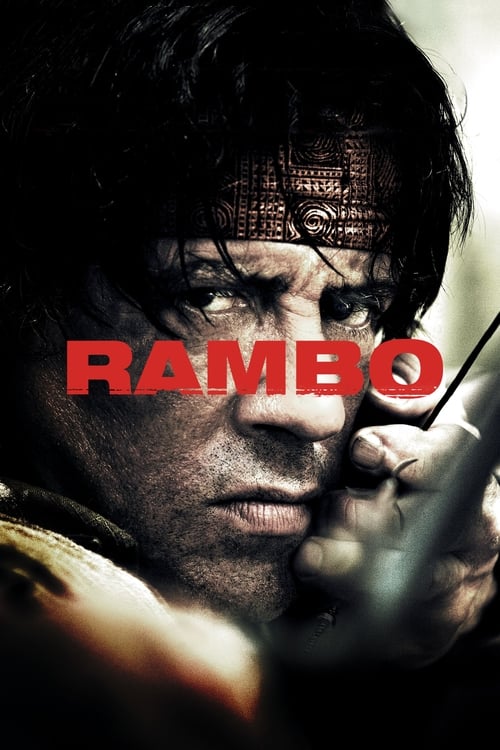
Rambo
In Thailand, ex-Green Beret John James Rambo joins a group of mercenaries to venture into war-torn neighboring Myanmar to rescue a group of Christian aid workers who have been kidnapped by a ruthless local infantry unit.
Despite a respectable budget of $50.0M, Rambo became a box office success, earning $113.2M worldwide—a 126% return.
1 win & 1 nomination


Plot Structure
Story beats plotted across runtime


Narrative Arc
Emotional journey through the story's key moments
Story Circle
Blueprint 15-beat structure
Arcplot Score Breakdown
Weighted: Precision (70%) + Arc (15%) + Theme (15%)
Rambo (2008) demonstrates meticulously timed story structure, characteristic of Sylvester Stallone's storytelling approach. This structural analysis examines how the film's 15-point plot structure maps to proven narrative frameworks across 1 hour and 32 minutes. With an Arcplot score of 7.5, the film showcases strong structural fundamentals.
Characters
Cast & narrative archetypes

John Rambo
Sarah Miller
Michael Burnett
Lewis
Major Pa Tee Tint
En-Joo
Schoolboy
Main Cast & Characters
John Rambo
Played by Sylvester Stallone
A haunted Vietnam War veteran living in Thailand who reluctantly joins a rescue mission into Burma.
Sarah Miller
Played by Julie Benz
A compassionate missionary working to help Karen refugees in Burma.
Michael Burnett
Played by Paul Schulze
The idealistic leader of the Christian missionary group who initially clashes with Rambo.
Lewis
Played by Graham McTavish
A mercenary sniper and former SAS soldier hired to rescue the missionaries.
Major Pa Tee Tint
Played by Maung Maung Khin
A sadistic Burmese army officer who commands brutal attacks on Karen villages.
En-Joo
Played by Tim Kang
A Karen rebel fighter who assists Rambo and the mercenaries.
Schoolboy
Played by Shaliew Maung Maung
A young former child soldier working for Major Tint.
Structural Analysis
The Status Quo at 1 minutes (1% through the runtime) establishes Rambo lives in isolation in Thailand, catching snakes and ferrying passengers on the Salween River. A quiet, solitary existence far from war.. Of particular interest, this early placement immediately immerses viewers in the story world.
The inciting incident occurs at 11 minutes when Rambo reluctantly agrees to take the missionaries upriver after Sarah's plea. The journey into danger begins.. At 11% through the film, this Disruption aligns precisely with traditional story structure. This beat shifts the emotional landscape, launching the protagonist into the central conflict.
The First Threshold at 22 minutes marks the transition into Act II, occurring at 24% of the runtime. This illustrates the protagonist's commitment to Pastor Arthur Marsh arrives with devastating news: the missionaries have been captured by Burmese soldiers. He asks Rambo to guide mercenaries to rescue them. Rambo actively chooses to return to violence., moving from reaction to action.
At 45 minutes, the Midpoint arrives at 49% of the runtime—precisely centered, creating perfect narrative symmetry. The analysis reveals that this crucial beat Rambo and team witness Burmese soldiers forcing prisoners through a minefield and using them for target practice. The true horror of the regime is revealed. Stakes escalate from simple rescue to moral imperative., fundamentally raising what's at risk. The emotional intensity shifts, dividing the narrative into clear before-and-after phases.
The Collapse moment at 66 minutes (71% through) represents the emotional nadir. Here, Mercenaries and missionaries are surrounded, trapped against the river with Burmese army closing in. No escape. Lewis is wounded. Imminent death for everyone. Complete tactical failure., demonstrates the protagonist at their lowest point. This beat's placement in the final quarter sets up the climactic reversal.
The Second Threshold at 72 minutes initiates the final act resolution at 78% of the runtime. Rambo commandeers mounted .50 caliber machine gun and unleashes devastating firepower on Burmese forces. He fully embraces who he is: a warrior who saves lives through violence., demonstrating the transformation achieved throughout the journey.
Emotional Journey
Rambo's emotional architecture traces a deliberate progression across 15 carefully calibrated beats.
Narrative Framework
This structural analysis employs a 15-point narrative structure framework that maps key story moments. By mapping Rambo against these established plot points, we can identify how Sylvester Stallone utilizes or subverts traditional narrative conventions. The plot point approach reveals not only adherence to structural principles but also creative choices that distinguish Rambo within the action genre.
Sylvester Stallone's Structural Approach
Among the 7 Sylvester Stallone films analyzed on Arcplot, the average structural score is 7.4, reflecting strong command of classical structure. Rambo represents one of the director's most structurally precise works. For comparative analysis, explore the complete Sylvester Stallone filmography.
Comparative Analysis
Additional action films include The Bad Guys, Puss in Boots and Venom: The Last Dance. For more Sylvester Stallone analyses, see Paradise Alley, Staying Alive and Rocky III.
Plot Points by Act
Act I
SetupStatus Quo
Rambo lives in isolation in Thailand, catching snakes and ferrying passengers on the Salween River. A quiet, solitary existence far from war.
Theme
Missionary Michael tells Rambo: "Trying to save a life isn't waste." Theme of redemption through action versus passive acceptance.
Worldbuilding
Missionaries approach Rambo to take them upriver into Burma. Rambo refuses, citing the futility of their mission. Sarah Miller appeals to his conscience. The brutal reality of the Burmese military regime is established.
Disruption
Rambo reluctantly agrees to take the missionaries upriver after Sarah's plea. The journey into danger begins.
Resistance
River journey to Burma. Rambo kills pirates who threaten to rape Sarah, showing his violent capability. Missionaries are horrified but proceed. They reach Burma and part ways. Rambo returns to Thailand.
Act II
ConfrontationFirst Threshold
Pastor Arthur Marsh arrives with devastating news: the missionaries have been captured by Burmese soldiers. He asks Rambo to guide mercenaries to rescue them. Rambo actively chooses to return to violence.
Mirror World
Rambo meets the mercenary team led by Lewis. Tension between Rambo's direct, brutal approach and Lewis's professional soldier methodology. The mercenaries represent modern warfare versus Rambo's primal survival instinct.
Premise
Journey upriver with mercenaries. Rambo navigates, showing his expertise. Team drops into Burma. Rambo single-handedly destroys patrol boat with bow and arrows. Mercenaries witness his lethal efficiency. They recruit Karen rebels and locate the prison camp.
Midpoint
Rambo and team witness Burmese soldiers forcing prisoners through a minefield and using them for target practice. The true horror of the regime is revealed. Stakes escalate from simple rescue to moral imperative.
Opposition
Nighttime raid on prison camp. Mercenaries and Karen rebels execute rescue plan. They free the missionaries but are discovered. Major Pa Tee Tint leads massive counterattack. Chase through jungle. Sniper School Boy is killed. Forces are pinned down.
Collapse
Mercenaries and missionaries are surrounded, trapped against the river with Burmese army closing in. No escape. Lewis is wounded. Imminent death for everyone. Complete tactical failure.
Crisis
Rambo makes desperate run through jungle alone. Brief moment of uncertainty whether he's abandoning them or going for help. Rambo confronts his past and his nature.
Act III
ResolutionSecond Threshold
Rambo commandeers mounted .50 caliber machine gun and unleashes devastating firepower on Burmese forces. He fully embraces who he is: a warrior who saves lives through violence.
Synthesis
Rambo decimates the Burmese army. Karen rebels arrive as reinforcements. Massive final battle. Rambo pursues Major Tint through jungle, kills him brutally with machete. Missionaries and mercenaries escape. Sarah thanks Rambo before departing.
Transformation
Rambo walks down a dirt road in Arizona toward his father's ranch. After decades of exile and violence, he finally comes home. Redemption achieved not through peace, but through accepting his nature and using it to save lives.