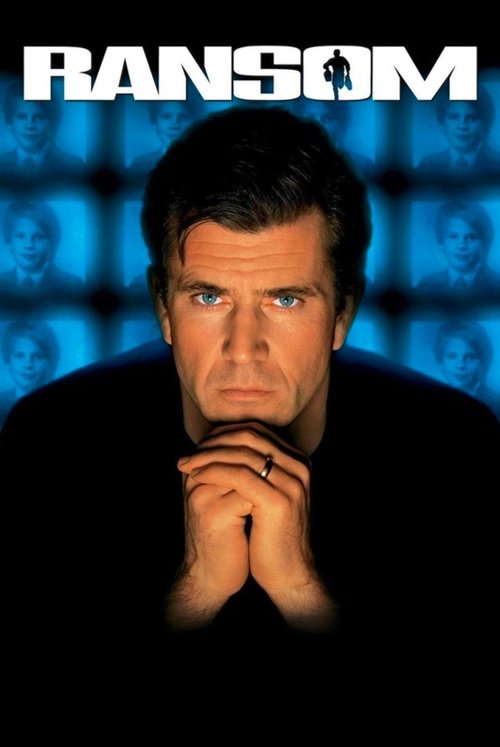
Ransom
When a rich man's son is kidnapped, he cooperates with the police at first but then tries a unique tactic against the criminals.
Despite a significant budget of $80.0M, Ransom became a solid performer, earning $309.5M worldwide—a 287% return.
3 wins & 5 nominations

Plot Structure
Story beats plotted across runtime


Narrative Arc
Emotional journey through the story's key moments
Story Circle
Blueprint 15-beat structure
Arcplot Score Breakdown
Weighted: Precision (70%) + Arc (15%) + Theme (15%)
Ransom (1996) showcases carefully calibrated story structure, characteristic of Ron Howard's storytelling approach. This structural analysis examines how the film's 15-point plot structure maps to proven narrative frameworks across 2 hours and 1 minutes. With an Arcplot score of 7.4, the film balances conventional beats with creative variation.
Characters
Cast & narrative archetypes

Tom Mullen
Jimmy Shaker
Kate Mullen
Sean Mullen
Agent Lonnie Hawkins
Maris Conner
Main Cast & Characters
Tom Mullen
Played by Mel Gibson
Wealthy airline owner whose son is kidnapped; makes the controversial decision to turn the ransom into a bounty on the kidnappers' heads.
Jimmy Shaker
Played by Gary Sinise
Corrupt NYPD detective who orchestrates the kidnapping; intelligent and ruthless antagonist who underestimates Tom's willingness to fight back.
Kate Mullen
Played by Rene Russo
Tom's wife and Sean's mother; struggles with her husband's risky decision to refuse paying the ransom.
Sean Mullen
Played by Brawley Nolte
Tom and Kate's young son who is kidnapped; the catalyst for the entire crisis.
Agent Lonnie Hawkins
Played by Delroy Lindo
FBI agent assigned to the Mullen kidnapping case; professional and methodical in approach.
Maris Conner
Played by Lili Taylor
Member of the kidnapping crew; lover of Jimmy Shaker who becomes conflicted about the crime.
Structural Analysis
The Status Quo at 1 minutes (1% through the runtime) establishes Tom Mullen celebrates at a science fair with his son Sean, showing their close bond and his success as a wealthy airline owner living the American dream.. Significantly, this early placement immediately immerses viewers in the story world.
The inciting incident occurs at 15 minutes when Sean is kidnapped from Central Park in broad daylight while under the care of his bodyguard, shattering the Mullens' sense of security and control.. At 12% through the film, this Disruption aligns precisely with traditional story structure. This beat shifts the emotional landscape, launching the protagonist into the central conflict.
The First Threshold at 31 minutes marks the transition into Act II, occurring at 25% of the runtime. This shows the protagonist's commitment to Tom agrees to pay the two million dollar ransom and participates in the first ransom drop, fully committing to engage with the kidnappers on their terms., moving from reaction to action.
At 61 minutes, the Midpoint arrives at 50% of the runtime—precisely centered, creating perfect narrative symmetry. Structural examination shows that this crucial beat After the ransom drop fails and Sean is not returned, Tom makes a radical decision: he goes on live television and turns the ransom into a bounty on the kidnappers' heads., fundamentally raising what's at risk. The emotional intensity shifts, dividing the narrative into clear before-and-after phases.
The Collapse moment at 92 minutes (76% through) represents the emotional nadir. Here, The kidnappers seem to have killed Sean and disposed of his body. Tom and Kate receive devastating news that appears to confirm their son is dead. Tom's gamble has apparently cost his son's life., shows the protagonist at their lowest point. This beat's placement in the final quarter sets up the climactic reversal.
The Second Threshold at 98 minutes initiates the final act resolution at 81% of the runtime. Shaker arrives at the Mullen home posing as the hero who "rescued" Sean, planning to claim the bounty. Tom realizes Shaker is the kidnapper and gains new resolve., demonstrating the transformation achieved throughout the journey.
Emotional Journey
Ransom's emotional architecture traces a deliberate progression across 15 carefully calibrated beats.
Narrative Framework
This structural analysis employs systematic plot point analysis that identifies crucial turning points. By mapping Ransom against these established plot points, we can identify how Ron Howard utilizes or subverts traditional narrative conventions. The plot point approach reveals not only adherence to structural principles but also creative choices that distinguish Ransom within the action genre.
Ron Howard's Structural Approach
Among the 24 Ron Howard films analyzed on Arcplot, the average structural score is 7.0, demonstrating varied approaches to story architecture. Ransom represents one of the director's most structurally precise works. For comparative analysis, explore the complete Ron Howard filmography.
Comparative Analysis
Additional action films include The Bad Guys, Puss in Boots and Venom: The Last Dance. For more Ron Howard analyses, see Apollo 13, Solo: A Star Wars Story and Cinderella Man.
Plot Points by Act
Act I
SetupStatus Quo
Tom Mullen celebrates at a science fair with his son Sean, showing their close bond and his success as a wealthy airline owner living the American dream.
Theme
At the science fair, a character mentions "sometimes you have to break the rules to do what's right," foreshadowing Tom's unconventional approach to solving the kidnapping.
Worldbuilding
Establishing Tom's world: his wealth, family dynamics with wife Kate, his past ethical compromises in business, and his vulnerability as a public figure with everything to lose.
Disruption
Sean is kidnapped from Central Park in broad daylight while under the care of his bodyguard, shattering the Mullens' sense of security and control.
Resistance
FBI Agent Lonnie Hawkins arrives to help. Tom and Kate debate whether to pay the ransom or trust the FBI's methods. Tom initially agrees to cooperate and prepare the ransom money.
Act II
ConfrontationFirst Threshold
Tom agrees to pay the two million dollar ransom and participates in the first ransom drop, fully committing to engage with the kidnappers on their terms.
Mirror World
Detective Jimmy Shaker is revealed as the lead kidnapper, representing the mirror of Tom—both are willing to break rules and manipulate systems for their goals.
Premise
The cat-and-mouse game: Tom attempts ransom drops, the FBI investigates, and tension builds as traditional methods fail. Tom grows increasingly frustrated with following protocol.
Midpoint
After the ransom drop fails and Sean is not returned, Tom makes a radical decision: he goes on live television and turns the ransom into a bounty on the kidnappers' heads.
Opposition
Shaker and his crew turn against each other as the bounty creates paranoia. Kate opposes Tom's decision. The FBI doubts his strategy. Pressure mounts as Sean's life appears increasingly at risk.
Collapse
The kidnappers seem to have killed Sean and disposed of his body. Tom and Kate receive devastating news that appears to confirm their son is dead. Tom's gamble has apparently cost his son's life.
Crisis
Tom faces the crushing weight of his decision. His marriage is in jeopardy, he's wracked with guilt, and he must confront whether his pride and unconventional tactics murdered his own son.
Act III
ResolutionSecond Threshold
Shaker arrives at the Mullen home posing as the hero who "rescued" Sean, planning to claim the bounty. Tom realizes Shaker is the kidnapper and gains new resolve.
Synthesis
Tom exposes Shaker and pursues him through the streets. The final confrontation combines Tom's business cunning with his primal need to protect his family, culminating in Shaker's death.
Transformation
Tom reunites with Sean and Kate, having proven that unconventional courage and refusing to be a victim can triumph. The family is whole but forever changed by the ordeal.