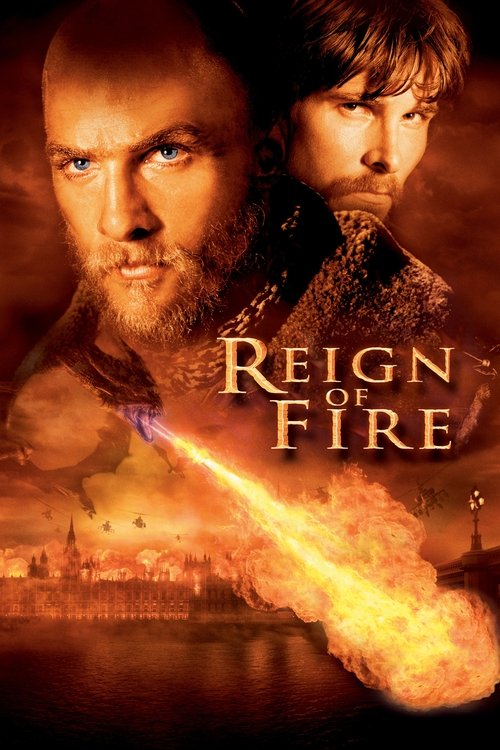
Reign of Fire
In post-apocalyptic England, an American volunteer and a British survivor team up to fight off a brood of fire-breathing dragons seeking to return to global dominance after centuries of rest underground. The Brit -- leading a clan of survivors to hunt down the King of the Dragons -- has much at stake: His mother was killed by a dragon, but his love is still alive.
Working with a respectable budget of $60.0M, the film achieved a modest success with $82.2M in global revenue (+37% profit margin).
1 win & 3 nominations


Plot Structure
Story beats plotted across runtime


Narrative Arc
Emotional journey through the story's key moments
Story Circle
Blueprint 15-beat structure
Arcplot Score Breakdown
Weighted: Precision (70%) + Arc (15%) + Theme (15%)
Reign of Fire (2002) exemplifies strategically placed dramatic framework, characteristic of Rob Bowman's storytelling approach. This structural analysis examines how the film's 15-point plot structure maps to proven narrative frameworks across 1 hour and 41 minutes. With an Arcplot score of 6.4, the film takes an unconventional approach to traditional narrative frameworks.
Characters
Cast & narrative archetypes

Quinn Abercromby
Denton Van Zan
Alex Jensen
Creedy
Jared Wilke
Main Cast & Characters
Quinn Abercromby
Played by Christian Bale
Leader of a survivor community in post-apocalyptic England, haunted by witnessing the first dragon awakening as a child. Prioritizes safety and preservation of his community above all else.
Denton Van Zan
Played by Matthew McConaughey
American military commander who arrives with a plan to hunt and kill dragons. Bold, aggressive, and driven by a mission to exterminate the male dragon in London.
Alex Jensen
Played by Izabella Scorupco
Van Zan's second-in-command and helicopter pilot. Skilled, professional, and acts as a bridge between Van Zan's aggression and Quinn's caution.
Creedy
Played by Gerard Butler
Quinn's loyal right-hand man and best friend. Practical, protective of the community, and skeptical of Van Zan's methods.
Jared Wilke
Played by Scott Moutter
Young orphan in Quinn's community who idolizes Van Zan and his dragon-hunting methods. Represents the next generation's hope and recklessness.
Structural Analysis
The Status Quo at 1 minutes (1% through the runtime) establishes Young Quinn visits his mother working in the London Underground construction site. A world where dragons don't exist yet, showing innocent curiosity and normal urban life before the catastrophe.. Structural examination shows that this early placement immediately immerses viewers in the story world.
The inciting incident occurs at 12 minutes when Van Zan and his American military unit arrive at Quinn's castle community in armored vehicles and a helicopter, disrupting the carefully maintained isolation and survival strategy Quinn has established.. At 12% through the film, this Disruption aligns precisely with traditional story structure. This beat shifts the emotional landscape, launching the protagonist into the central conflict.
The First Threshold at 26 minutes marks the transition into Act II, occurring at 25% of the runtime. This indicates the protagonist's commitment to Quinn actively chooses to join Van Zan's mission to hunt dragons and eventually target the male dragon in London. He leaves his defensive position to embrace offensive action, committing to the dragon-hunting world., moving from reaction to action.
At 51 minutes, the Midpoint arrives at 51% of the runtime—precisely centered, creating perfect narrative symmetry. Significantly, this crucial beat A dragon attack on the castle results in massive casualties and destruction. The aggressive tactics have brought retaliation. Van Zan's methods prove costly, revealing that the fight cannot be won through conventional hunting. False defeat that raises the stakes., fundamentally raising what's at risk. The emotional intensity shifts, dividing the narrative into clear before-and-after phases.
The Collapse moment at 75 minutes (75% through) represents the emotional nadir. Here, Van Zan is killed by the male dragon during their first confrontation in London. The leader who brought hope and the aggressive strategy dies, leaving Quinn and the survivors in despair. The whiff of death and the loss of their warrior champion., shows the protagonist at their lowest point. This beat's placement in the final quarter sets up the climactic reversal.
The Second Threshold at 80 minutes initiates the final act resolution at 79% of the runtime. Quinn synthesizes Van Zan's aggressive warrior approach with his own protective instincts and knowledge from the first dragon encounter. He realizes he must face the dragon himself to save humanity, combining both philosophies into a personal mission., demonstrating the transformation achieved throughout the journey.
Emotional Journey
Reign of Fire's emotional architecture traces a deliberate progression across 15 carefully calibrated beats.
Narrative Framework
This structural analysis employs systematic plot point analysis that identifies crucial turning points. By mapping Reign of Fire against these established plot points, we can identify how Rob Bowman utilizes or subverts traditional narrative conventions. The plot point approach reveals not only adherence to structural principles but also creative choices that distinguish Reign of Fire within the adventure genre.
Rob Bowman's Structural Approach
Among the 3 Rob Bowman films analyzed on Arcplot, the average structural score is 6.7, demonstrating varied approaches to story architecture. Reign of Fire takes a more unconventional approach compared to the director's typical style. For comparative analysis, explore the complete Rob Bowman filmography.
Comparative Analysis
Additional adventure films include The Black Stallion, The Bad Guys and Puss in Boots. For more Rob Bowman analyses, see Elektra, The X-Files.
Plot Points by Act
Act I
SetupStatus Quo
Young Quinn visits his mother working in the London Underground construction site. A world where dragons don't exist yet, showing innocent curiosity and normal urban life before the catastrophe.
Theme
Quinn's mother tells him about the importance of responsibility and protecting others, foreshadowing his future role as protector of the community. The theme of sacrifice and leadership in the face of extinction.
Worldbuilding
Young Quinn accidentally awakens the first dragon in the Underground tunnel. His mother dies in the attack. Flash-forward to 2020: dragons have destroyed civilization, Quinn leads a survivor community in Northumberland castle, establishing the post-apocalyptic world and survival rules.
Disruption
Van Zan and his American military unit arrive at Quinn's castle community in armored vehicles and a helicopter, disrupting the carefully maintained isolation and survival strategy Quinn has established.
Resistance
Van Zan proposes an aggressive plan to hunt and kill dragons rather than hide from them. Quinn debates whether to abandon his defensive strategy. Van Zan reveals his theory that killing the one male dragon will end the species. Tension builds between survival philosophies.
Act II
ConfrontationFirst Threshold
Quinn actively chooses to join Van Zan's mission to hunt dragons and eventually target the male dragon in London. He leaves his defensive position to embrace offensive action, committing to the dragon-hunting world.
Mirror World
Quinn's relationship with Alex, Van Zan's helicopter pilot, deepens. She represents the warrior spirit and offensive mentality that contrasts with Quinn's protective, defensive nature. Their connection explores courage versus caution.
Premise
The dragon-hunting sequences deliver the film's promise: armored vehicles, sky-fishing tactics with nets and helicopter, coordinated military strikes against dragons. Quinn learns Van Zan's aggressive methods while the community experiences both victories and losses.
Midpoint
A dragon attack on the castle results in massive casualties and destruction. The aggressive tactics have brought retaliation. Van Zan's methods prove costly, revealing that the fight cannot be won through conventional hunting. False defeat that raises the stakes.
Opposition
Quinn, Van Zan, and Alex journey to London to find and kill the male dragon. The pressure intensifies as they face the destroyed city, dwindling supplies, internal conflicts, and the growing realization of how difficult their mission truly is.
Collapse
Van Zan is killed by the male dragon during their first confrontation in London. The leader who brought hope and the aggressive strategy dies, leaving Quinn and the survivors in despair. The whiff of death and the loss of their warrior champion.
Crisis
Quinn and Alex process Van Zan's death and face the darkness of apparent defeat. They must decide whether to flee or continue the impossible mission. Quinn confronts his guilt from childhood and his fear of facing the dragon.
Act III
ResolutionSecond Threshold
Quinn synthesizes Van Zan's aggressive warrior approach with his own protective instincts and knowledge from the first dragon encounter. He realizes he must face the dragon himself to save humanity, combining both philosophies into a personal mission.
Synthesis
Quinn lures the male dragon to a confrontation, using himself as bait. Alex supports from the helicopter. Quinn uses strategic thinking, courage, and a crossbow with explosive bolts to battle the dragon. The finale combines action, sacrifice, and resolution as Quinn kills the male dragon.
Transformation
Quinn returns to the castle community as children play freely outside for the first time. The skies are clear of dragons. Quinn has transformed from guilt-ridden survivor hiding from the past to active hero who saved humanity, mirroring the opening innocence but earned through sacrifice.