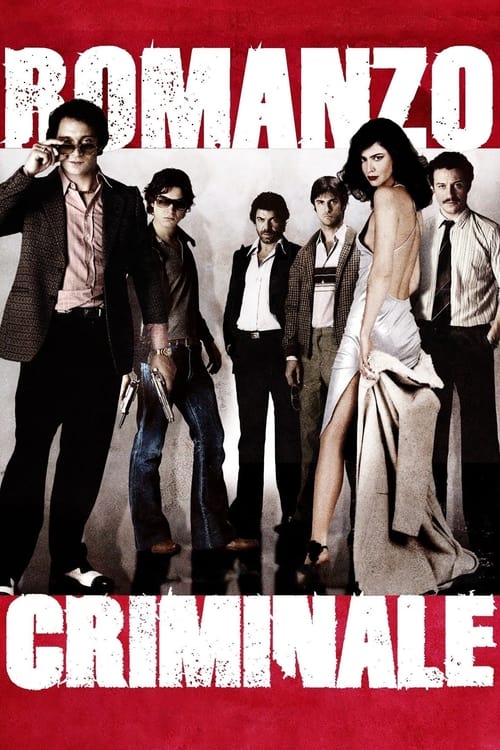
Romanzo Criminale
After serving prison time for a juvenile offense, Freddo gathers his old buddies Libano and Dandi and embarks on a crime spree that makes the trio the most powerful gangsters in Rome. Libano loves their new status, and seeks to spread their influence throughout the underworld, while the other two pursue more fleshly desires. For decades, their gang perpetrates extravagant crimes, until paranoia threatens to split the friends apart.
Despite its microbudget of $818K, Romanzo Criminale became a financial success, earning $4.9M worldwide—a 493% return. The film's distinctive approach engaged audiences, proving that strong storytelling can transcend budget limitations.
32 wins & 25 nominations
Plot Structure
Story beats plotted across runtime


Narrative Arc
Emotional journey through the story's key moments
Story Circle
Blueprint 15-beat structure
Arcplot Score Breakdown
Weighted: Precision (70%) + Arc (15%) + Theme (15%)
Romanzo Criminale (2005) showcases carefully calibrated story structure, characteristic of Michele Placido's storytelling approach. This structural analysis examines how the film's 15-point plot structure maps to proven narrative frameworks across 2 hours and 32 minutes. With an Arcplot score of 7.0, the film balances conventional beats with creative variation.
Characters
Cast & narrative archetypes

Il Libanese (Lebanese)
Il Freddo (Ice)
Il Dandi (Dandy)
Patrizia
Commissario Scialoja
Il Nero (Black)
Roberta
Il Bufalo (Buffalo)
Main Cast & Characters
Il Libanese (Lebanese)
Played by Pierfrancesco Favino
The charismatic leader of the gang who dreams of controlling Rome's criminal underworld. Strategic and ambitious, he holds the group together.
Il Freddo (Ice)
Played by Kim Rossi Stuart
The cold, calculating enforcer of the gang. Reserved and ruthless, he serves as the group's muscle and conscience.
Il Dandi (Dandy)
Played by Claudio Santamaria
The stylish, cultured member who aspires to high society. He brings sophistication and connections to the criminal enterprise.
Patrizia
Played by Jasmine Trinca
A high-class prostitute who becomes Lebanese's love interest. She navigates between the criminal world and legitimate society.
Commissario Scialoja
Played by Stefano Accorsi
The determined police commissioner obsessed with bringing down the gang. His pursuit becomes personal and consuming.
Il Nero (Black)
Played by Riccardo Scamarcio
A violent, unpredictable member of the gang with fascist connections. His extremism creates tension within the group.
Roberta
Played by Anna Mouglalis
Ice's girlfriend who represents a normal life outside the criminal world. She struggles with his violent lifestyle.
Il Bufalo (Buffalo)
Played by Francesco Scianna
A hot-headed, loyal gang member known for his impulsive violence. He provides raw aggression to the crew.
Structural Analysis
The Status Quo at 2 minutes (1% through the runtime) establishes Three young criminals—Libano, Il Freddo, and Dandi—operate as small-time kidnappers and thieves in 1970s Rome, living a scrappy but free existence on the margins of organized crime.. Of particular interest, this early placement immediately immerses viewers in the story world.
The inciting incident occurs at 18 minutes when The gang realizes they can expand beyond petty crime when they successfully execute a major kidnapping that yields massive ransom money, opening the door to real power.. At 12% through the film, this Disruption aligns precisely with traditional story structure. This beat shifts the emotional landscape, launching the protagonist into the central conflict.
The First Threshold at 38 minutes marks the transition into Act II, occurring at 25% of the runtime. This reveals the protagonist's commitment to The gang actively chooses to enter the heroin trade and form their criminal empire, the "Banda della Magliana," rejecting the old ways and making enemies of traditional crime families., moving from reaction to action.
At 76 minutes, the Midpoint arrives at 50% of the runtime—precisely centered, creating perfect narrative symmetry. Of particular interest, this crucial beat False victory turns to false defeat: At the height of their power, law enforcement and rival factions begin closing in. A major arrest or assassination attempt reveals their empire is more fragile than it appeared., fundamentally raising what's at risk. The emotional intensity shifts, dividing the narrative into clear before-and-after phases.
The Collapse moment at 114 minutes (75% through) represents the emotional nadir. Here, Libano is killed in an ambush. The emotional and strategic heart of the gang dies, representing the death of their brotherhood and the dream of empire. Everything they built begins to crumble., demonstrates the protagonist at their lowest point. This beat's placement in the final quarter sets up the climactic reversal.
The Second Threshold at 122 minutes initiates the final act resolution at 80% of the runtime. Il Freddo and Dandi realize there's no escape from the cycle they've created. They choose to face the endgame, whether through final confrontation, arrest, or death, accepting their fate., demonstrating the transformation achieved throughout the journey.
Emotional Journey
Romanzo Criminale's emotional architecture traces a deliberate progression across 15 carefully calibrated beats.
Narrative Framework
This structural analysis employs structural analysis methodology used to understand storytelling architecture. By mapping Romanzo Criminale against these established plot points, we can identify how Michele Placido utilizes or subverts traditional narrative conventions. The plot point approach reveals not only adherence to structural principles but also creative choices that distinguish Romanzo Criminale within the crime genre.
Comparative Analysis
Additional crime films include The Bad Guys, Rustom and The Whole Ten Yards.
Plot Points by Act
Act I
SetupStatus Quo
Three young criminals—Libano, Il Freddo, and Dandi—operate as small-time kidnappers and thieves in 1970s Rome, living a scrappy but free existence on the margins of organized crime.
Theme
A character warns that "you can't build an empire on drugs and violence without paying the price." The theme of corruption, ambition, and inevitable downfall is established.
Worldbuilding
Introduction to the gang's world: their relationships, their petty crimes, the political chaos of 1970s Italy, and the corrupt landscape where organized crime, police, and politicians intermingle.
Disruption
The gang realizes they can expand beyond petty crime when they successfully execute a major kidnapping that yields massive ransom money, opening the door to real power.
Resistance
The gang debates how to use their newfound wealth and whether to enter the drug trade. They navigate relationships with established crime families, corrupt officials, and face internal disagreements about their future path.
Act II
ConfrontationFirst Threshold
The gang actively chooses to enter the heroin trade and form their criminal empire, the "Banda della Magliana," rejecting the old ways and making enemies of traditional crime families.
Mirror World
Libano's relationship with Patrizia deepens, representing the domestic life and emotional connection that contrasts with the violent criminal world. She embodies the normal life he can never fully have.
Premise
The gang's rise to power—the promise of the premise. They control Rome's drug trade, live lavishly, corrupt politicians and police, and become the most powerful criminal organization in the city. The fun of being gangster kings.
Midpoint
False victory turns to false defeat: At the height of their power, law enforcement and rival factions begin closing in. A major arrest or assassination attempt reveals their empire is more fragile than it appeared.
Opposition
The gang fractures under pressure. Internal betrayals emerge, police investigations intensify, politicians distance themselves, and rival gangs strike back. Paranoia and violence escalate as their world contracts.
Collapse
Libano is killed in an ambush. The emotional and strategic heart of the gang dies, representing the death of their brotherhood and the dream of empire. Everything they built begins to crumble.
Crisis
The surviving gang members grieve and face the reality of their isolation. They've lost friends, family, and purpose. The darkness of their choices becomes inescapable as they contemplate their fate.
Act III
ResolutionSecond Threshold
Il Freddo and Dandi realize there's no escape from the cycle they've created. They choose to face the endgame, whether through final confrontation, arrest, or death, accepting their fate.
Synthesis
The final resolution: arrests, murders, betrayals. The empire completely dissolves. Some gang members are killed, others arrested, others disappear. The political and criminal networks they built turn against them or move on.
Transformation
Final image shows the survivors—broken, imprisoned, or dead. The vibrant young criminals from the opening are transformed into cautionary tales. Rome continues without them, indifferent to their rise and fall.