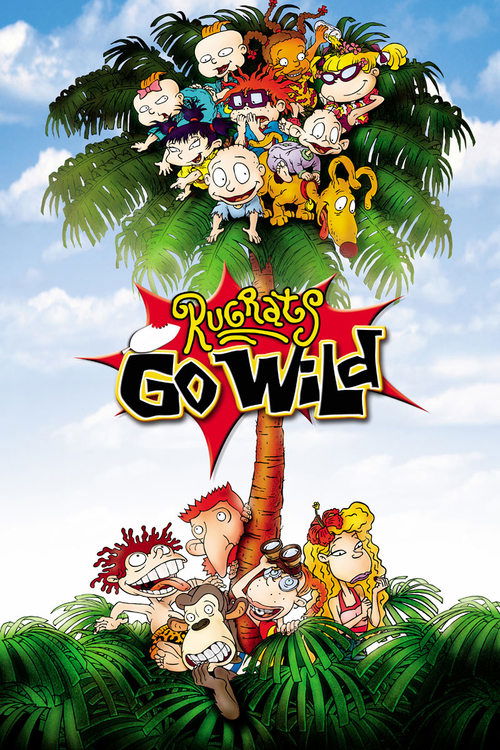
Rugrats Go Wild
When the Rugrats find themselves stranded on a deserted island, they meet the Thornberrys, a family who agrees to help them escape.
Despite a moderate budget of $25.0M, Rugrats Go Wild became a box office success, earning $55.4M worldwide—a 122% return.


Plot Structure
Story beats plotted across runtime


Narrative Arc
Emotional journey through the story's key moments
Story Circle
Blueprint 15-beat structure
Arcplot Score Breakdown
Weighted: Precision (70%) + Arc (15%) + Theme (15%)
Rugrats Go Wild (2003) exemplifies meticulously timed dramatic framework, characteristic of John Eng's storytelling approach. This structural analysis examines how the film's 15-point plot structure maps to proven narrative frameworks across 1 hour and 21 minutes. With an Arcplot score of 6.8, the film balances conventional beats with creative variation.
Characters
Cast & narrative archetypes

Tommy Pickles
Chuckie Finster
Eliza Thornberry
Nigel Thornberry
Spike
Angelica Pickles
Phil DeVille
Lil DeVille
Donnie Thornberry
Debbie Thornberry
Main Cast & Characters
Tommy Pickles
Played by Elizabeth Daily
Brave and adventurous one-year-old leader of the Rugrats who looks for the best in every situation.
Chuckie Finster
Played by Christine Cavanaugh
Tommy's anxious and cautious best friend who fears nearly everything but finds courage when needed.
Eliza Thornberry
Played by Lacey Chabert
Adventurous twelve-year-old with the secret ability to talk to animals, discovering the Rugrats on her island.
Nigel Thornberry
Played by Tim Curry
Eccentric wildlife documentarian and father who becomes entangled in the Rugrats' adventure.
Spike
Played by Bruce Willis
The Pickles family dog who becomes a crucial communicator through Eliza's gift.
Angelica Pickles
Played by Cheryl Chase
Spoiled and manipulative three-year-old cousin who torments the babies while hiding her insecurities.
Phil DeVille
Played by Kath Soucie
One of the muddy and adventurous twins who enjoys eating bugs and getting dirty.
Lil DeVille
Played by Kath Soucie
Phil's twin sister, equally adventurous and tomboyish with a love for mud and chaos.
Donnie Thornberry
Played by Flea
Feral boy raised in the wild who communicates through grunts and animal-like behavior.
Debbie Thornberry
Played by Danielle Harris
Eliza's sarcastic teenage sister who is more interested in boys and shopping than wildlife.
Structural Analysis
The Status Quo at 1 minutes (1% through the runtime) establishes The Pickles family prepares for a tropical vacation cruise. Tommy and the babies are excited about the adventure while the adults pack. Establishes the ordinary world of suburban family life before disruption.. Significantly, this early placement immediately immerses viewers in the story world.
The inciting incident occurs at 10 minutes when A massive storm hits the cruise ship. Stu's malfunctioning boat invention breaks away from the ship with the Pickles family aboard. They are separated from safety and thrust into danger, helpless against the storm.. At 13% through the film, this Disruption is delayed, allowing extended setup of the story world. This beat shifts the emotional landscape, launching the protagonist into the central conflict.
The First Threshold at 20 minutes marks the transition into Act II, occurring at 25% of the runtime. This reveals the protagonist's commitment to Tommy makes the active choice to lead the babies into the jungle to find Spike. They cross from the beach (known) into the wild jungle (unknown). This is their conscious decision to become heroes rather than wait for adults to solve the problem., moving from reaction to action.
At 41 minutes, the Midpoint arrives at 50% of the runtime—precisely centered, creating perfect narrative symmetry. Of particular interest, this crucial beat False defeat: The babies and Thornberrys realize they are being hunted by a dangerous predator (clouded leopard). What seemed like a fun adventure becomes genuinely dangerous. The stakes raise significantly and the tone shifts from comedy to peril., fundamentally raising what's at risk. The emotional intensity shifts, dividing the narrative into clear before-and-after phases.
The Collapse moment at 61 minutes (75% through) represents the emotional nadir. Here, All seems lost: the babies are cornered by the leopard, separated from help, exhausted and terrified. Spike is still missing. The adults believe the children may be gone forever. This is the darkest moment with a whiff of death - the real possibility that the babies won't survive., demonstrates the protagonist at their lowest point. This beat's placement in the final quarter sets up the climactic reversal.
The Second Threshold at 65 minutes initiates the final act resolution at 80% of the runtime. Breakthrough moment: Spike returns and/or Eliza uses her animal communication to coordinate a rescue. The realization that different families working together (Rugrats + Thornberrys) are stronger than apart. New information and unity enable the final push., demonstrating the transformation achieved throughout the journey.
Emotional Journey
Rugrats Go Wild's emotional architecture traces a deliberate progression across 15 carefully calibrated beats.
Narrative Framework
This structural analysis employs structural analysis methodology used to understand storytelling architecture. By mapping Rugrats Go Wild against these established plot points, we can identify how John Eng utilizes or subverts traditional narrative conventions. The plot point approach reveals not only adherence to structural principles but also creative choices that distinguish Rugrats Go Wild within the family genre.
Comparative Analysis
Additional family films include The Black Stallion, The Bad Guys and Ella Enchanted.
Plot Points by Act
Act I
SetupStatus Quo
The Pickles family prepares for a tropical vacation cruise. Tommy and the babies are excited about the adventure while the adults pack. Establishes the ordinary world of suburban family life before disruption.
Theme
Stu or Didi mentions that "family sticks together no matter what" or references being lost/found. The theme of family unity and finding your way (both literally and figuratively) is established early.
Worldbuilding
Setup of both families (Pickles and Thornberrys), their dynamics, and the cruise ship setting. Introduction of Spike's role, the babies' relationships, and Nigel Thornberry's separate jungle adventure. The parallel worlds are established before they collide.
Disruption
A massive storm hits the cruise ship. Stu's malfunctioning boat invention breaks away from the ship with the Pickles family aboard. They are separated from safety and thrust into danger, helpless against the storm.
Resistance
The families crash-land on a deserted island. Initial survival mode: confusion, fear, and debate about what to do. The adults argue about rescue plans while the babies explore. Spike goes missing, creating additional urgency.
Act II
ConfrontationFirst Threshold
Tommy makes the active choice to lead the babies into the jungle to find Spike. They cross from the beach (known) into the wild jungle (unknown). This is their conscious decision to become heroes rather than wait for adults to solve the problem.
Mirror World
The babies encounter Eliza Thornberry, who can talk to animals. She represents the thematic mirror: someone who understands a different way of communicating and connecting. This relationship will teach Tommy about understanding and trust.
Premise
The "fun and games" of jungle adventure: babies navigating wild terrain, animal encounters, Thornberry family dynamics, comic survival attempts. The premise delivers on the promise of Rugrats meets Wild Thornberrys with slapstick jungle hijinks and cross-generational misunderstandings.
Midpoint
False defeat: The babies and Thornberrys realize they are being hunted by a dangerous predator (clouded leopard). What seemed like a fun adventure becomes genuinely dangerous. The stakes raise significantly and the tone shifts from comedy to peril.
Opposition
Mounting obstacles: the leopard closes in, the families remain separated, resources dwindle, tensions rise between characters. The babies' inexperience and the adults' inability to find them create escalating pressure. The island itself becomes increasingly hostile.
Collapse
All seems lost: the babies are cornered by the leopard, separated from help, exhausted and terrified. Spike is still missing. The adults believe the children may be gone forever. This is the darkest moment with a whiff of death - the real possibility that the babies won't survive.
Crisis
Dark night of the soul: characters face their fears and failures. Tommy questions his leadership, adults regret bringing kids on the trip. Emotional processing of potential loss and what truly matters. The low point before the breakthrough.
Act III
ResolutionSecond Threshold
Breakthrough moment: Spike returns and/or Eliza uses her animal communication to coordinate a rescue. The realization that different families working together (Rugrats + Thornberrys) are stronger than apart. New information and unity enable the final push.
Synthesis
The finale: combined family effort to escape danger, outsmart the leopard, signal for rescue, and reunite everyone. Babies use lessons learned, adults trust the children's capabilities, Thornberrys and Pickles work as one unit. Action-packed resolution of all conflicts.
Transformation
Families reunited and rescued, back to safety. The closing image mirrors the opening but shows transformation: families are closer, Tommy has grown as a leader, the babies and Thornberrys part as friends. What was lost has been found, both literally and emotionally.