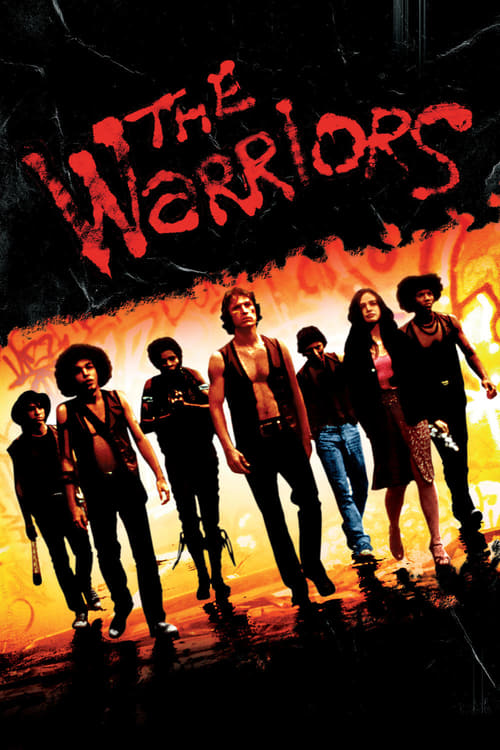
The Warriors
Prominent gang leader Cyrus calls a meeting of New York's gangs to set aside their turf wars and take over the city. At the meeting, a rival leader kills Cyrus, but a Coney Island gang called the Warriors is wrongly blamed for Cyrus' death. Before you know it, the cops and every gangbanger in town is hot on the Warriors' trail.
Despite its tight budget of $4.0M, The Warriors became a commercial success, earning $22.5M worldwide—a 462% return. The film's innovative storytelling connected with viewers, proving that strong storytelling can transcend budget limitations.


Plot Structure
Story beats plotted across runtime


Narrative Arc
Emotional journey through the story's key moments
Story Circle
Blueprint 15-beat structure
Arcplot Score Breakdown
Weighted: Precision (70%) + Arc (15%) + Theme (15%)
The Warriors (1979) exemplifies strategically placed plot construction, characteristic of Walter Hill's storytelling approach. This structural analysis examines how the film's 15-point plot structure maps to proven narrative frameworks across 1 hour and 34 minutes. With an Arcplot score of 7.1, the film balances conventional beats with creative variation.
Characters
Cast & narrative archetypes

Swan
Ajax
Fox
Mercy
Cochise
Rembrandt
Cleon
Vermin
Cyrus
Luther
Main Cast & Characters
Swan
Played by Michael Beck
The Warriors' war chief who takes command after Cleon's death. Level-headed, tactical leader who must guide the gang home through hostile territory.
Ajax
Played by James Remar
Aggressive, hot-headed warrior who challenges authority and seeks violence. His impulsive nature repeatedly endangers the group.
Fox
Played by Thomas G. Waites
Quick-witted scout and strategist for the Warriors. Observant and tactical, serves as Swan's right hand during the journey.
Mercy
Played by Deborah Van Valkenburgh
Street-smart woman from the Orphans territory who attaches herself to the Warriors. Initially provocative, she becomes Swan's love interest.
Cochise
Played by David Harris
Cool, collected warrior known for his distinctive style and combat skills. Loyal member who stays calm under pressure.
Rembrandt
Played by Marcelino Sánchez
Youngest Warrior and the gang's graffiti artist. Less experienced in combat but creative and loyal to the crew.
Cleon
Played by Dorsey Wright
Original leader of the Warriors who attends the Cyrus gathering. Charismatic diplomat killed early by the Gramercy Riffs.
Vermin
Played by Terry Michos
Cautious, survival-oriented Warrior who considers abandoning the group. Eventually stays loyal but represents self-preservation instinct.
Cyrus
Played by Roger Hill
Visionary gang leader who calls for city-wide truce and unity. His assassination sets the entire plot in motion.
Luther
Played by David Patrick Kelly
Unhinged leader of the Rogues who murders Cyrus and frames the Warriors. Psychotic antagonist driven by chaos rather than strategy.
Structural Analysis
The Status Quo at 1 minutes (1% through the runtime) establishes The Warriors prepare to leave Coney Island for the big conclave in the Bronx. We see them as a unified gang boarding the subway, establishing their identity and brotherhood before the night's events unfold.. Notably, this early placement immediately immerses viewers in the story world.
The inciting incident occurs at 11 minutes when Luther assassinates Cyrus and frames The Warriors. Fox is captured by the Riffs, and Cleon is beaten down as chaos erupts. The dream of gang unity dies with Cyrus, and The Warriors become hunted men with a death sentence on their heads.. At 12% through the film, this Disruption aligns precisely with traditional story structure. This beat shifts the emotional landscape, launching the protagonist into the central conflict.
The First Threshold at 24 minutes marks the transition into Act II, occurring at 25% of the runtime. This demonstrates the protagonist's commitment to Swan makes the active choice to keep the gang together and fight their way back to Coney Island rather than splitting up. They commit to the dangerous subway journey home, knowing they'll have to battle through multiple gang territories. The odyssey begins., moving from reaction to action.
At 47 minutes, the Midpoint arrives at 50% of the runtime—precisely centered, creating perfect narrative symmetry. Notably, this crucial beat The Warriors defeat the Baseball Furies in an iconic battle—a false victory. They seem unstoppable, having bested one of the most feared gangs. But the stakes are about to escalate dramatically, and the easy wins are over. The hunt intensifies., fundamentally raising what's at risk. The emotional intensity shifts, dividing the narrative into clear before-and-after phases.
The Collapse moment at 71 minutes (75% through) represents the emotional nadir. Here, Fox is thrown onto the subway tracks and killed by the police—a literal death. The Warriors are down to their core members, exhausted, hunted by both gangs and cops. Swan must confront whether they can actually make it home, and what "home" even means if they're destroyed in the process., reveals the protagonist at their lowest point. This beat's placement in the final quarter sets up the climactic reversal.
The Second Threshold at 75 minutes initiates the final act resolution at 80% of the runtime. Swan rallies the survivors with renewed determination. They realize that if they can just make it to Coney Island, they can face whatever comes on their home turf. The decision to push through the final stretch with everything they have marks their entry into the final act., demonstrating the transformation achieved throughout the journey.
Emotional Journey
The Warriors's emotional architecture traces a deliberate progression across 15 carefully calibrated beats.
Narrative Framework
This structural analysis employs systematic plot point analysis that identifies crucial turning points. By mapping The Warriors against these established plot points, we can identify how Walter Hill utilizes or subverts traditional narrative conventions. The plot point approach reveals not only adherence to structural principles but also creative choices that distinguish The Warriors within the action genre.
Walter Hill's Structural Approach
Among the 14 Walter Hill films analyzed on Arcplot, the average structural score is 7.1, reflecting strong command of classical structure. The Warriors takes a more unconventional approach compared to the director's typical style. For comparative analysis, explore the complete Walter Hill filmography.
Comparative Analysis
Additional action films include The Bad Guys, Puss in Boots and Venom: The Last Dance. For more Walter Hill analyses, see Johnny Handsome, The Driver and Brewster's Millions.
Plot Points by Act
Act I
SetupStatus Quo
The Warriors prepare to leave Coney Island for the big conclave in the Bronx. We see them as a unified gang boarding the subway, establishing their identity and brotherhood before the night's events unfold.
Theme
Cyrus delivers his iconic speech to the assembled gangs: "Can you dig it?" His vision of unity—that together the gangs could rule the city—states the theme of collective strength versus division that will be tested throughout the film.
Worldbuilding
The film establishes the dangerous nocturnal world of NYC gangs. We see the various colorful gangs converging on the Bronx, learn the rules of the conclave (no weapons), and witness the hierarchical structure of gang life. The Warriors are introduced as nine strong, unarmed, deep in hostile territory.
Disruption
Luther assassinates Cyrus and frames The Warriors. Fox is captured by the Riffs, and Cleon is beaten down as chaos erupts. The dream of gang unity dies with Cyrus, and The Warriors become hunted men with a death sentence on their heads.
Resistance
The Warriors regroup and debate their survival strategy. Swan assumes leadership after Cleon's apparent death. The DJ announces the bounty on The Warriors, and they realize every gang in the city is hunting them. They must decide whether to scatter or stay together as they plan their route home through hostile territory.
Act II
ConfrontationFirst Threshold
Swan makes the active choice to keep the gang together and fight their way back to Coney Island rather than splitting up. They commit to the dangerous subway journey home, knowing they'll have to battle through multiple gang territories. The odyssey begins.
Mirror World
Mercy, a tough street woman associated with the Orphans, attaches herself to The Warriors after Swan shows her a glimpse of something better. She represents the human connection and vulnerability that Swan must learn to embrace—the personal stakes amid the gang warfare.
Premise
The Warriors battle their way through New York's gang-infested subway system. They defeat the Orphans through intimidation, survive an encounter with the Baseball Furies in Riverside Park, and navigate the treacherous streets. This is the "fun and games" of stylized gang warfare the audience came to see.
Midpoint
The Warriors defeat the Baseball Furies in an iconic battle—a false victory. They seem unstoppable, having bested one of the most feared gangs. But the stakes are about to escalate dramatically, and the easy wins are over. The hunt intensifies.
Opposition
The Lizzies (an all-female gang) lure Warriors into a trap. Ajax is arrested after assaulting an undercover cop, reducing their numbers. Fox is killed by a cop on the subway tracks. The Punks corner them in a bathroom. Each encounter costs them—the enemy is closing in and they're losing soldiers.
Collapse
Fox is thrown onto the subway tracks and killed by the police—a literal death. The Warriors are down to their core members, exhausted, hunted by both gangs and cops. Swan must confront whether they can actually make it home, and what "home" even means if they're destroyed in the process.
Crisis
In the aftermath of Fox's death and their losses, the remaining Warriors face their darkest moment. They're battered, diminished, and still miles from home. Swan and Mercy share a vulnerable moment, acknowledging the cost of this night. But they refuse to give up.
Act III
ResolutionSecond Threshold
Swan rallies the survivors with renewed determination. They realize that if they can just make it to Coney Island, they can face whatever comes on their home turf. The decision to push through the final stretch with everything they have marks their entry into the final act.
Synthesis
The Warriors finally reach Coney Island and confront the Rogues. Luther reveals his senseless motivation ("I just like doing things like that"). Before the fight can escalate, the Riffs arrive, having learned the truth. Luther is taken by the Riffs for justice. The Warriors are vindicated.
Transformation
Swan and Mercy walk together on the Coney Island beach at dawn. The Warriors have survived the night, proven their innocence, and earned the respect of the Riffs. Swan has transformed from War Chief to true leader, and found human connection with Mercy. They've come home changed.