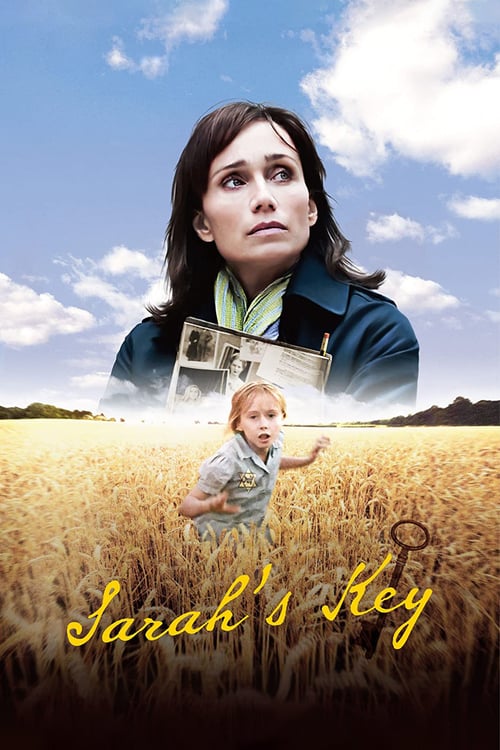
Sarah's Key
On the night of 16 July 1942, ten year old Sarah and her parents are being arrested and transported to the Velodrome d'Hiver in Paris where thousands of other jews are being sent to get deported. Sarah however managed to lock her little brother in a closet just before the police entered their apartment. Sixty years later, Julia Jarmond, an American journalist in Paris, gets the assignment to write an article about this raid, a black page in the history of France. She starts digging archives and through Sarah's file discovers a well kept secret about her own in-laws.
Working with a modest budget of $10.0M, the film achieved a modest success with $17.5M in global revenue (+75% profit margin).
5 wins & 5 nominations


Plot Structure
Story beats plotted across runtime


Narrative Arc
Emotional journey through the story's key moments
Story Circle
Blueprint 15-beat structure
Arcplot Score Breakdown
Weighted: Precision (70%) + Arc (15%) + Theme (15%)
Sarah's Key (2010) exhibits meticulously timed plot construction, characteristic of Gilles Paquet-Brenner's storytelling approach. This structural analysis examines how the film's 15-point plot structure maps to proven narrative frameworks across 1 hour and 51 minutes. With an Arcplot score of 7.4, the film balances conventional beats with creative variation.
Characters
Cast & narrative archetypes

Julia Jarmond
Sarah Starzynski
Bertrand Tezac
Édouard Tezac
William Rainsferd
Jules Dufaure
Geneviève Dufaure
Main Cast & Characters
Julia Jarmond
Played by Kristin Scott Thomas
American journalist in Paris investigating the 1942 Vel' d'Hiv Roundup while confronting personal choices about her marriage and pregnancy
Sarah Starzynski
Played by Mélusine Mayance
A 10-year-old Jewish girl who locks her younger brother in a cupboard during the 1942 roundup, desperately trying to return to save him
Bertrand Tezac
Played by Frédéric Pierrot
Julia's French husband who resists her investigation and pressures her to abort their unplanned pregnancy
Édouard Tezac
Played by Michel Duchaussoy
Bertrand's elderly father who reluctantly reveals his family's dark connection to Sarah's story
William Rainsferd
Played by Aidan Quinn
Sarah's adult son living in Italy, the result of her survival and attempt to rebuild her life
Jules Dufaure
Played by Niels Arestrup
The French farmer who risks his life to hide Sarah and help her escape the Nazis
Geneviève Dufaure
Played by Dominique Frot
Jules' compassionate wife who cares for Sarah despite the danger to her own family
Structural Analysis
The Status Quo at 1 minutes (1% through the runtime) establishes Julia Jarmond, an American journalist in Paris, lives a comfortable life with her French husband Bertrand and daughter. She is assigned to write about the 1942 Vel' d'Hiv Roundup anniversary while preparing to move into her in-laws' apartment.. Structural examination shows that this early placement immediately immerses viewers in the story world.
The inciting incident occurs at 13 minutes when Sarah locks her younger brother Michel in a secret cupboard to protect him during the French police roundup, promising to return. This act sets the entire tragedy in motion. In 2002, Julia discovers the apartment her family is taking over once belonged to a Jewish family who disappeared.. At 12% through the film, this Disruption aligns precisely with traditional story structure. This beat shifts the emotional landscape, launching the protagonist into the central conflict.
The First Threshold at 28 minutes marks the transition into Act II, occurring at 25% of the runtime. This reveals the protagonist's commitment to Sarah escapes from the camp where her parents are held, determined to return to Paris and save Michel. Julia makes the active choice to investigate the connection between the apartment and the Jewish family despite Bertrand's objections, committing to uncover the truth., moving from reaction to action.
At 56 minutes, the Midpoint arrives at 50% of the runtime—precisely centered, creating perfect narrative symmetry. Structural examination shows that this crucial beat Sarah returns to the apartment and finds Michel dead in the cupboard where she locked him. The devastating discovery destroys her childhood and innocence. This false defeat crystallizes the stakes: the past cannot be undone, only confronted. Julia simultaneously discovers she is pregnant., fundamentally raising what's at risk. The emotional intensity shifts, dividing the narrative into clear before-and-after phases.
The Collapse moment at 83 minutes (75% through) represents the emotional nadir. Here, Julia discovers that Sarah committed suicide in 1967 by driving into a wall, unable to live with her guilt over Michel's death. The "whiff of death" is literal. Julia also learns that her father-in-law knew about Michel and did nothing, making her own family complicit in the cover-up., reveals the protagonist at their lowest point. This beat's placement in the final quarter sets up the climactic reversal.
The Second Threshold at 89 minutes initiates the final act resolution at 80% of the runtime. Julia decides to find Sarah's son William and tell him the truth about his mother. She chooses to honor Sarah's memory by bearing witness and refusing to let the story be buried. She also decides to keep her baby and leave Bertrand, choosing truth and life over comfortable lies., demonstrating the transformation achieved throughout the journey.
Emotional Journey
Sarah's Key's emotional architecture traces a deliberate progression across 15 carefully calibrated beats.
Narrative Framework
This structural analysis employs systematic plot point analysis that identifies crucial turning points. By mapping Sarah's Key against these established plot points, we can identify how Gilles Paquet-Brenner utilizes or subverts traditional narrative conventions. The plot point approach reveals not only adherence to structural principles but also creative choices that distinguish Sarah's Key within the drama genre.
Gilles Paquet-Brenner's Structural Approach
Among the 2 Gilles Paquet-Brenner films analyzed on Arcplot, the average structural score is 7.3, reflecting strong command of classical structure. Sarah's Key represents one of the director's most structurally precise works. For comparative analysis, explore the complete Gilles Paquet-Brenner filmography.
Comparative Analysis
Additional drama films include After Thomas, South Pacific and Dirty Dancing: Havana Nights. For more Gilles Paquet-Brenner analyses, see Dark Places.
Plot Points by Act
Act I
SetupStatus Quo
Julia Jarmond, an American journalist in Paris, lives a comfortable life with her French husband Bertrand and daughter. She is assigned to write about the 1942 Vel' d'Hiv Roundup anniversary while preparing to move into her in-laws' apartment.
Theme
Julia's editor discusses the weight of memory and responsibility: "Some stories need to be told, even if they make people uncomfortable." The theme of uncovering painful truths and the moral obligation to remember is established.
Worldbuilding
Dual timeline is established: 1942 shows young Sarah Starzynski's loving family life before the roundup; 2002 shows Julia beginning research on the Vel' d'Hiv Roundup, interviewing survivors, and discovering the apartment she's moving into has a dark history. Both worlds are set up in parallel.
Disruption
Sarah locks her younger brother Michel in a secret cupboard to protect him during the French police roundup, promising to return. This act sets the entire tragedy in motion. In 2002, Julia discovers the apartment her family is taking over once belonged to a Jewish family who disappeared.
Resistance
Sarah endures the Velodrome with her family, desperate to return to Michel. Julia researches deeper, facing resistance from her husband Bertrand who wants to drop the investigation. She debates whether to pursue this painful story or let it remain buried.
Act II
ConfrontationFirst Threshold
Sarah escapes from the camp where her parents are held, determined to return to Paris and save Michel. Julia makes the active choice to investigate the connection between the apartment and the Jewish family despite Bertrand's objections, committing to uncover the truth.
Mirror World
Sarah is sheltered by the Dufaure family, elderly farmers who show her kindness and humanity amidst horror. This relationship represents the thematic counterpoint: compassion and moral courage. Julia connects with an elderly survivor who helps her investigation, forming a bond through shared pursuit of truth.
Premise
Julia investigates obsessively, tracking down records and witnesses, piecing together Sarah's story. Sarah journeys back to Paris with a friend from the camp. Both protagonists are driven by the promise of the premise: Julia uncovering a buried history, Sarah racing to save her brother.
Midpoint
Sarah returns to the apartment and finds Michel dead in the cupboard where she locked him. The devastating discovery destroys her childhood and innocence. This false defeat crystallizes the stakes: the past cannot be undone, only confronted. Julia simultaneously discovers she is pregnant.
Opposition
Julia's marriage deteriorates as Bertrand demands she stop investigating and have an abortion. She faces opposition from the Tezac family who want the past buried. Sarah's timeline shows her being adopted by the Dufaures but living with unbearable guilt. The pressure intensifies on both timelines.
Collapse
Julia discovers that Sarah committed suicide in 1967 by driving into a wall, unable to live with her guilt over Michel's death. The "whiff of death" is literal. Julia also learns that her father-in-law knew about Michel and did nothing, making her own family complicit in the cover-up.
Crisis
Julia processes the weight of this tragedy and her own family's moral failure. She sits with the darkness of what happened, contemplating her pregnancy, her crumbling marriage, and her responsibility to Sarah's memory. A period of deep reflection and grief.
Act III
ResolutionSecond Threshold
Julia decides to find Sarah's son William and tell him the truth about his mother. She chooses to honor Sarah's memory by bearing witness and refusing to let the story be buried. She also decides to keep her baby and leave Bertrand, choosing truth and life over comfortable lies.
Synthesis
Julia travels to New York to meet William, Sarah's adult son who never knew his mother's true story. She gives him his mother's history, completing her mission to ensure Sarah and Michel are remembered. She makes peace with the past and embraces her new future as a single mother.
Transformation
Julia, now visibly pregnant and independent, visits the beach with her daughter. She has transformed from someone living a comfortable but shallow life into someone who has confronted painful truth and chosen moral courage. She carries both Sarah's memory and new life forward.