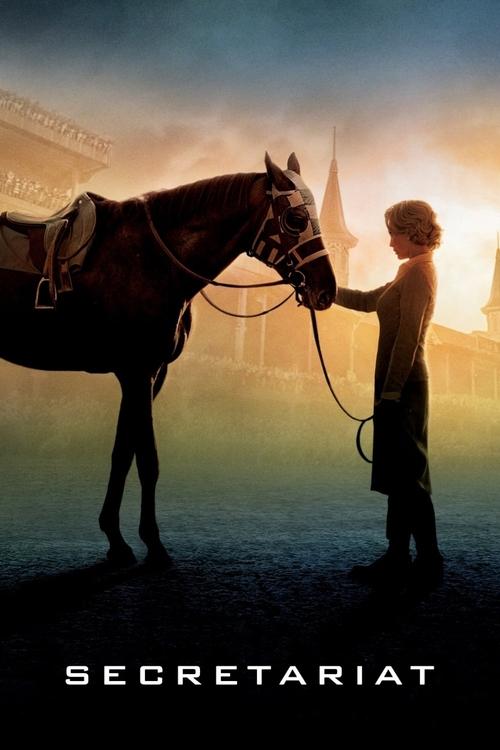
Secretariat
Housewife and mother Penny Chenery agrees to take over her ailing father's Virginia-based Meadow Stables, despite her lack of horse-racing knowledge. Against all odds, Chenery - with the help of veteran trainer Lucien Laurin - manages to navigate the male-dominated business, ultimately fostering the first Triple Crown winner in 25 years.
Working with a mid-range budget of $35.0M, the film achieved a steady performer with $60.3M in global revenue (+72% profit margin).
3 wins & 6 nominations


Plot Structure
Story beats plotted across runtime


Narrative Arc
Emotional journey through the story's key moments
Story Circle
Blueprint 15-beat structure
Arcplot Score Breakdown
Weighted: Precision (70%) + Arc (15%) + Theme (15%)
Secretariat (2010) showcases carefully calibrated plot construction, characteristic of Randall Wallace's storytelling approach. This structural analysis examines how the film's 15-point plot structure maps to proven narrative frameworks across 2 hours and 3 minutes. With an Arcplot score of 7.3, the film balances conventional beats with creative variation.
Characters
Cast & narrative archetypes

Penny Chenery
Lucien Laurin
Jack Tweedy
Eddie Sweat
Ronnie Turcotte
Bull Hancock
Hollis Chenery
Main Cast & Characters
Penny Chenery
Played by Diane Lane
A housewife and mother who takes over her father's struggling horse farm and races Secretariat to Triple Crown glory
Lucien Laurin
Played by John Malkovich
An eccentric French-Canadian horse trainer who comes out of semi-retirement to train Secretariat
Jack Tweedy
Played by Dylan Walsh
Penny's supportive but concerned husband who struggles with her absence from home
Eddie Sweat
Played by Nelsan Ellis
Secretariat's devoted groom who forms a deep bond with the champion horse
Ronnie Turcotte
Played by Otto Thorwarth
The skilled jockey who rides Secretariat to his Triple Crown victory
Bull Hancock
Played by Scott Glenn
Owner of Claiborne Farm and mentor figure who believes in Secretariat's potential
Hollis Chenery
Played by Scott Bakula
Penny's ailing father who founded Meadow Stables and bred champion horses
Structural Analysis
The Status Quo at 2 minutes (2% through the runtime) establishes Penny Chenery is a Denver housewife and mother, living a traditional suburban life separate from her father's Virginia horse farm.. Structural examination shows that this early placement immediately immerses viewers in the story world.
The inciting incident occurs at 13 minutes when Penny's father suffers a stroke and the family farm faces financial ruin. Penny must return to Virginia to manage the estate and decide its fate.. At 11% through the film, this Disruption aligns precisely with traditional story structure. This beat shifts the emotional landscape, launching the protagonist into the central conflict.
The First Threshold at 29 minutes marks the transition into Act II, occurring at 24% of the runtime. This reveals the protagonist's commitment to Penny makes the bold decision to take over Meadow Stables, hire Lucien Laurin as trainer, and commit to racing despite having no experience and facing sexism from the industry., moving from reaction to action.
At 59 minutes, the Midpoint arrives at 48% of the runtime—precisely centered, creating perfect narrative symmetry. Significantly, this crucial beat Secretariat wins the Kentucky Derby in record time. False victory - Penny thinks they've made it, but the real tests (and opposition) are just beginning. Stakes raised publicly., fundamentally raising what's at risk. The emotional intensity shifts, dividing the narrative into clear before-and-after phases.
The Collapse moment at 89 minutes (73% through) represents the emotional nadir. Here, Penny's father dies. This death symbolizes the end of the old world and Penny must find her own strength rather than seeking his approval. Her marriage is also failing., shows the protagonist at their lowest point. This beat's placement in the final quarter sets up the climactic reversal.
The Second Threshold at 96 minutes initiates the final act resolution at 78% of the runtime. Penny realizes she's not racing for her father's approval anymore - she's racing because she believes in herself and Secretariat. She synthesizes her father's wisdom with her own conviction., demonstrating the transformation achieved throughout the journey.
Emotional Journey
Secretariat's emotional architecture traces a deliberate progression across 15 carefully calibrated beats.
Narrative Framework
This structural analysis employs structural analysis methodology used to understand storytelling architecture. By mapping Secretariat against these established plot points, we can identify how Randall Wallace utilizes or subverts traditional narrative conventions. The plot point approach reveals not only adherence to structural principles but also creative choices that distinguish Secretariat within the drama genre.
Randall Wallace's Structural Approach
Among the 4 Randall Wallace films analyzed on Arcplot, the average structural score is 7.0, reflecting strong command of classical structure. Secretariat represents one of the director's most structurally precise works. For comparative analysis, explore the complete Randall Wallace filmography.
Comparative Analysis
Additional drama films include After Thomas, South Pacific and Dirty Dancing: Havana Nights. For more Randall Wallace analyses, see The Man in the Iron Mask, Heaven Is for Real and We Were Soldiers.
Plot Points by Act
Act I
SetupStatus Quo
Penny Chenery is a Denver housewife and mother, living a traditional suburban life separate from her father's Virginia horse farm.
Theme
Penny's father tells her, "You don't have to be the smartest or the fastest. You just have to believe you can do it." Theme of self-belief despite external doubt.
Worldbuilding
Establish Penny's family life, her ailing father Chris Chenery, the declining state of Meadow Stables, and the male-dominated world of thoroughbred racing in 1969.
Disruption
Penny's father suffers a stroke and the family farm faces financial ruin. Penny must return to Virginia to manage the estate and decide its fate.
Resistance
Penny debates whether to sell the farm or try to save it. She meets trainer Lucien Laurin and researches the racing business. Her family and husband doubt her ability.
Act II
ConfrontationFirst Threshold
Penny makes the bold decision to take over Meadow Stables, hire Lucien Laurin as trainer, and commit to racing despite having no experience and facing sexism from the industry.
Mirror World
Secretariat is born and Penny forms a deep connection with the colt. He represents her own potential - underestimated but extraordinary.
Premise
Penny builds her team, learns the racing business, faces skepticism from all sides, and watches Secretariat develop. Early races show promise as the team finds their rhythm.
Midpoint
Secretariat wins the Kentucky Derby in record time. False victory - Penny thinks they've made it, but the real tests (and opposition) are just beginning. Stakes raised publicly.
Opposition
Media pressure intensifies. Penny faces syndication pressure, marital strain, and public scrutiny. Secretariat loses the Preakness controversially. Doubt creeps in from all directions.
Collapse
Penny's father dies. This death symbolizes the end of the old world and Penny must find her own strength rather than seeking his approval. Her marriage is also failing.
Crisis
Penny grieves and questions everything. She faces the possibility of losing both her family legacy and her own identity. Dark night of doubt before the Belmont Stakes.
Act III
ResolutionSecond Threshold
Penny realizes she's not racing for her father's approval anymore - she's racing because she believes in herself and Secretariat. She synthesizes her father's wisdom with her own conviction.
Synthesis
The Belmont Stakes race. Secretariat wins by 31 lengths in world-record time, securing the Triple Crown. Penny proves herself to the world and reconciles with her family.
Transformation
Penny stands confidently at the farm, now fully herself - no longer just a housewife or her father's daughter, but a champion owner who trusted her instincts. The farm is saved and thriving.