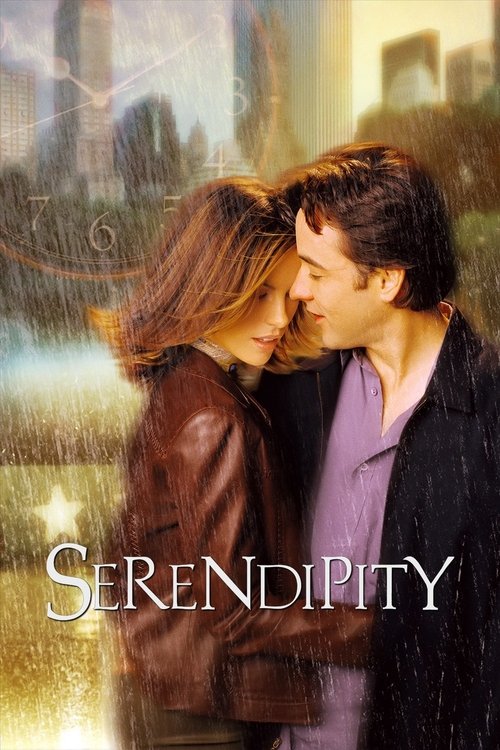
Serendipity
Although strangers Sara and Jonathan are both already in relationships, they realize they have genuine chemistry after a chance encounter – but part company soon after. Years later, they each yearn to reunite, despite being destined for the altar. But to give true love a chance, they have to find one another again.
Despite a moderate budget of $28.0M, Serendipity became a box office success, earning $77.5M worldwide—a 177% return.


Plot Structure
Story beats plotted across runtime


Narrative Arc
Emotional journey through the story's key moments
Story Circle
Blueprint 15-beat structure
Arcplot Score Breakdown
Weighted: Precision (70%) + Arc (15%) + Theme (15%)
Serendipity (2001) exhibits deliberately positioned plot construction, characteristic of Peter Chelsom's storytelling approach. This structural analysis examines how the film's 15-point plot structure maps to proven narrative frameworks across 1 hour and 30 minutes. With an Arcplot score of 7.0, the film balances conventional beats with creative variation.
Characters
Cast & narrative archetypes

Jonathan Trager
Sara Thomas
Dean Kansky
Eve
Halley Buchanan
Lars Hammond
Main Cast & Characters
Jonathan Trager
Played by John Cusack
A producer who meets Sara by chance and becomes obsessed with finding her again, believing in destiny despite being engaged to another woman.
Sara Thomas
Played by Kate Beckinsale
A New York therapist who believes in fate and signs, testing destiny by leaving their connection to chance rather than exchanging contact information.
Dean Kansky
Played by Jeremy Piven
Jonathan's best friend and pragmatic voice of reason who helps him search for Sara while questioning the wisdom of chasing fate.
Eve
Played by Molly Shannon
Sara's best friend and musician who supports her romantic idealism while offering grounded advice about relationships.
Halley Buchanan
Played by Bridget Moynahan
Jonathan's fiancée, a successful woman planning their wedding, unaware of his feelings for Sara.
Lars Hammond
Played by John Corbett
Sara's musician boyfriend, a self-absorbed flautist who contrasts with Jonathan's romantic sensibility.
Structural Analysis
The Status Quo at 1 minutes (1% through the runtime) establishes Christmas shopping at Bloomingdale's in New York City. Jonathan and Sara both reach for the same pair of black gloves, establishing their separate lives before they meet.. Notably, this early placement immediately immerses viewers in the story world.
The inciting incident occurs at 9 minutes when Sara refuses to exchange phone numbers, instead proposing a test of fate: she writes her number in a book she'll sell, he writes his on a five-dollar bill. If they're meant to be, fate will reunite them.. At 10% through the film, this Disruption aligns precisely with traditional story structure. This beat shifts the emotional landscape, launching the protagonist into the central conflict.
The First Threshold at 17 minutes marks the transition into Act II, occurring at 18% of the runtime. This indicates the protagonist's commitment to Days before his wedding, Jonathan decides he must find Sara or he'll always wonder. He enlists his best friend Dean to help search for her, actively choosing to pursue destiny., moving from reaction to action.
At 46 minutes, the Midpoint arrives at 51% of the runtime—precisely centered, creating perfect narrative symmetry. The analysis reveals that this crucial beat False victory: Sara finds "Jonathan Trager" in New York records and gets an address. Jonathan finds multiple Sara Thomas listings. Both feel they're close to answers, raising stakes as their weddings approach., fundamentally raising what's at risk. The emotional intensity shifts, dividing the narrative into clear before-and-after phases.
The Collapse moment at 65 minutes (72% through) represents the emotional nadir. Here, Jonathan's wedding rehearsal dinner. He gives up the search, accepting he'll marry Halley. Sara returns to San Francisco, preparing to marry Lars. The dream dies - both surrender to their current paths., shows the protagonist at their lowest point. This beat's placement in the final quarter sets up the climactic reversal.
The Second Threshold at 70 minutes initiates the final act resolution at 78% of the runtime. Fate intervenes: Halley finds Sara's book jacket in Jonathan's coat and realizes he doesn't love her. She breaks off the wedding. Lars finds Jonathan's name in Sara's jacket. Both are freed to choose., demonstrating the transformation achieved throughout the journey.
Emotional Journey
Serendipity's emotional architecture traces a deliberate progression across 15 carefully calibrated beats.
Narrative Framework
This structural analysis employs structural analysis methodology used to understand storytelling architecture. By mapping Serendipity against these established plot points, we can identify how Peter Chelsom utilizes or subverts traditional narrative conventions. The plot point approach reveals not only adherence to structural principles but also creative choices that distinguish Serendipity within the comedy genre.
Peter Chelsom's Structural Approach
Among the 6 Peter Chelsom films analyzed on Arcplot, the average structural score is 7.3, reflecting strong command of classical structure. Serendipity takes a more unconventional approach compared to the director's typical style. For comparative analysis, explore the complete Peter Chelsom filmography.
Comparative Analysis
Additional comedy films include The Bad Guys, Ella Enchanted and The Evening Star. For more Peter Chelsom analyses, see Hannah Montana: The Movie, Shall We Dance? and The Space Between Us.
Plot Points by Act
Act I
SetupStatus Quo
Christmas shopping at Bloomingdale's in New York City. Jonathan and Sara both reach for the same pair of black gloves, establishing their separate lives before they meet.
Theme
Sara tells Jonathan about the concept of serendipity - "a fortunate accident" - and suggests that fate will determine if they're meant to be together. The theme: destiny vs. choice in love.
Worldbuilding
Jonathan and Sara spend a magical evening together in New York, visiting Serendipity 3 café, ice skating at Wollman Rink. Both are in other relationships but feel an undeniable connection.
Disruption
Sara refuses to exchange phone numbers, instead proposing a test of fate: she writes her number in a book she'll sell, he writes his on a five-dollar bill. If they're meant to be, fate will reunite them.
Resistance
They test fate with elevator buttons and go their separate ways. Years pass - Jonathan is now engaged to Halley, Sara is engaged to Lars. Both are haunted by that one night.
Act II
ConfrontationFirst Threshold
Days before his wedding, Jonathan decides he must find Sara or he'll always wonder. He enlists his best friend Dean to help search for her, actively choosing to pursue destiny.
Mirror World
Sara's best friend Eve (the thematic mirror) encourages her own search for Jonathan. Eve represents taking action rather than passively waiting for fate, challenging Sara's philosophy.
Premise
The fun of the search: Jonathan and Dean scour New York for clues while Sara and Eve search San Francisco. Near-misses, false leads, and the thrill of the hunt as both protagonists chase destiny.
Midpoint
False victory: Sara finds "Jonathan Trager" in New York records and gets an address. Jonathan finds multiple Sara Thomas listings. Both feel they're close to answers, raising stakes as their weddings approach.
Opposition
The search intensifies but obstacles mount: wrong addresses, dead ends, fiancé suspicions. Jonathan's wedding rehearsal approaches. Sara meets "Jonathan" but he's the wrong person. Time is running out.
Collapse
Jonathan's wedding rehearsal dinner. He gives up the search, accepting he'll marry Halley. Sara returns to San Francisco, preparing to marry Lars. The dream dies - both surrender to their current paths.
Crisis
Dark night processing: Jonathan goes through wedding preparations mechanically. Sara tries to embrace her future with Lars. Both wrestle with whether they made the right choice giving up.
Act III
ResolutionSecond Threshold
Fate intervenes: Halley finds Sara's book jacket in Jonathan's coat and realizes he doesn't love her. She breaks off the wedding. Lars finds Jonathan's name in Sara's jacket. Both are freed to choose.
Synthesis
The finale: Both rush to find each other. Sara flies to New York. Multiple near-misses at the Waldorf hotel. Jonathan returns to the Serendipity 3 café. The five-dollar bill and book finally bring them together.
Transformation
Central Park, same bench where they once tested fate. Jonathan and Sara reunited, no longer leaving it to chance but actively choosing each other. Fate and choice united - serendipity fulfilled.