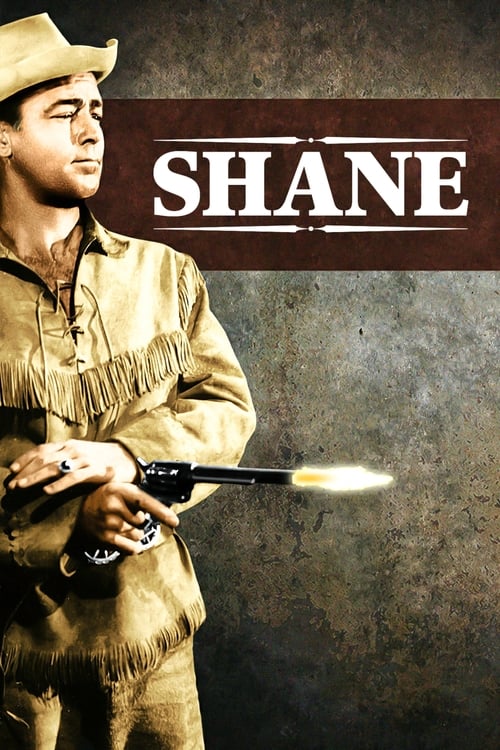
Shane
A weary gunfighter attempts to settle down with a homestead family, but a smouldering settler and rancher conflict forces him to act.
Despite its tight budget of $3.1M, Shane became a massive hit, earning $20.0M worldwide—a remarkable 545% return. The film's compelling narrative resonated with audiences, confirming that strong storytelling can transcend budget limitations.
1 Oscar. 8 wins & 13 nominations


Plot Structure
Story beats plotted across runtime


Narrative Arc
Emotional journey through the story's key moments
Story Circle
Blueprint 15-beat structure
Arcplot Score Breakdown
Weighted: Precision (70%) + Arc (15%) + Theme (15%)
Shane (1953) exemplifies precise story structure, characteristic of George Stevens's storytelling approach. This structural analysis examines how the film's 15-point plot structure maps to proven narrative frameworks across 1 hour and 58 minutes. With an Arcplot score of 6.9, the film balances conventional beats with creative variation.
Characters
Cast & narrative archetypes

Shane
Joe Starrett
Marian Starrett
Joey Starrett
Jack Wilson
Rufus Ryker
Main Cast & Characters
Shane
Played by Alan Ladd
A mysterious gunfighter seeking redemption who befriends a homesteader family and must confront his violent past to protect them.
Joe Starrett
Played by Van Heflin
A determined homesteader and family man fighting to keep his land against ruthless cattlemen.
Marian Starrett
Played by Jean Arthur
Joe's wife, a strong-willed frontier woman who develops a quiet emotional connection with Shane.
Joey Starrett
Played by Brandon deWilde
The young son who idolizes Shane and views him as a hero figure.
Jack Wilson
Played by Jack Palance
A cold-blooded hired gun brought in by Ryker to intimidate and kill the homesteaders.
Rufus Ryker
Played by Emile Meyer
A powerful cattle baron who tries to drive out homesteaders to maintain control of the valley.
Structural Analysis
The Status Quo at 1 minutes (1% through the runtime) establishes Shane rides down from the mountains into the valley, a lone gunfighter approaching the Starrett homestead. Young Joey watches the mysterious stranger with fascination.. Significantly, this early placement immediately immerses viewers in the story world.
The inciting incident occurs at 15 minutes when Ryker's men confront the homesteaders in town, making clear their intent to drive them out. Chris Calloway is humiliated. The stakes become life and death.. At 12% through the film, this Disruption aligns precisely with traditional story structure. This beat shifts the emotional landscape, launching the protagonist into the central conflict.
The First Threshold at 30 minutes marks the transition into Act II, occurring at 26% of the runtime. This reveals the protagonist's commitment to Shane enters the saloon with Joe Starrett, choosing to stand with the homesteaders against Ryker's men. He fights Chris' battle in the bar brawl, committing to the homesteaders' cause., moving from reaction to action.
At 60 minutes, the Midpoint arrives at 50% of the runtime—precisely centered, creating perfect narrative symmetry. Notably, this crucial beat Ryker brings in Wilson, a professional killer dressed in black. The game changes - this is no longer about intimidation but murder. The false peace of the valley is shattered., fundamentally raising what's at risk. The emotional intensity shifts, dividing the narrative into clear before-and-after phases.
The Collapse moment at 89 minutes (75% through) represents the emotional nadir. Here, Wilson murders Torrey in the mud, shooting him down in cold blood when he reaches for his gun. The "whiff of death" - the homesteaders' hope dies with Torrey in the street., indicates the protagonist at their lowest point. This beat's placement in the final quarter sets up the climactic reversal.
The Second Threshold at 95 minutes initiates the final act resolution at 81% of the runtime. Shane knocks out Joe Starrett to prevent him from walking into Ryker's trap. He straps on his gun again, accepting that he must be what he is - a gunfighter - to save the homesteaders and preserve their future., demonstrating the transformation achieved throughout the journey.
Emotional Journey
Shane's emotional architecture traces a deliberate progression across 15 carefully calibrated beats.
Narrative Framework
This structural analysis employs a 15-point narrative structure framework that maps key story moments. By mapping Shane against these established plot points, we can identify how George Stevens utilizes or subverts traditional narrative conventions. The plot point approach reveals not only adherence to structural principles but also creative choices that distinguish Shane within the drama genre.
George Stevens's Structural Approach
Among the 4 George Stevens films analyzed on Arcplot, the average structural score is 7.1, reflecting strong command of classical structure. Shane takes a more unconventional approach compared to the director's typical style. For comparative analysis, explore the complete George Stevens filmography.
Comparative Analysis
Additional drama films include After Thomas, South Pacific and Dirty Dancing: Havana Nights. For more George Stevens analyses, see The Greatest Story Ever Told, Giant and A Place in the Sun.
Plot Points by Act
Act I
SetupStatus Quo
Shane rides down from the mountains into the valley, a lone gunfighter approaching the Starrett homestead. Young Joey watches the mysterious stranger with fascination.
Theme
Joe Starrett tells Shane, "A man has to be what he is" - establishing the film's central conflict between a man's violent nature and the desire for peaceful civilization.
Worldbuilding
Shane is welcomed by the Starrett family. We learn homesteaders are being pressured by Ryker to leave their land. Shane decides to stay and work as a farmhand, hiding his gunfighter past.
Disruption
Ryker's men confront the homesteaders in town, making clear their intent to drive them out. Chris Calloway is humiliated. The stakes become life and death.
Resistance
Shane tries to live peacefully, working the farm and bonding with Joey. He debates whether to use his guns again. The homesteaders struggle with whether to fight or flee Ryker's intimidation.
Act II
ConfrontationFirst Threshold
Shane enters the saloon with Joe Starrett, choosing to stand with the homesteaders against Ryker's men. He fights Chris' battle in the bar brawl, committing to the homesteaders' cause.
Mirror World
Shane's deepening relationship with Joey becomes central. The boy idolizes Shane, representing the innocent future that doesn't understand the cost of violence. Marian's conflicted feelings for Shane also emerge.
Premise
Shane lives among the homesteaders, teaching Joey to shoot, helping with the farm, attending the July 4th celebration. The promise of peace and community. But tension with Ryker escalates.
Midpoint
Ryker brings in Wilson, a professional killer dressed in black. The game changes - this is no longer about intimidation but murder. The false peace of the valley is shattered.
Opposition
Wilson's presence terrifies the homesteaders. Some want to leave. Torrey is baited and taunted. Shane tries to maintain peace but the violence is inevitable. The community begins to fracture under pressure.
Collapse
Wilson murders Torrey in the mud, shooting him down in cold blood when he reaches for his gun. The "whiff of death" - the homesteaders' hope dies with Torrey in the street.
Crisis
Torrey's funeral. The homesteaders are defeated and broken. Joe decides he must face Ryker alone. Shane knows this is a trap and that Joe will be killed. Shane must choose between peace and violence.
Act III
ResolutionSecond Threshold
Shane knocks out Joe Starrett to prevent him from walking into Ryker's trap. He straps on his gun again, accepting that he must be what he is - a gunfighter - to save the homesteaders and preserve their future.
Synthesis
Shane rides to town. The climactic gunfight: Shane kills Wilson in a fast-draw duel, then kills Ryker and his brother. He saves the homesteaders but is wounded. Joey witnesses everything.
Transformation
Shane rides away into the mountains as Joey calls after him, "Come back, Shane!" Shane cannot return - having used violence, he cannot live in the peaceful world he saved. Joey has learned the tragic cost of violence.