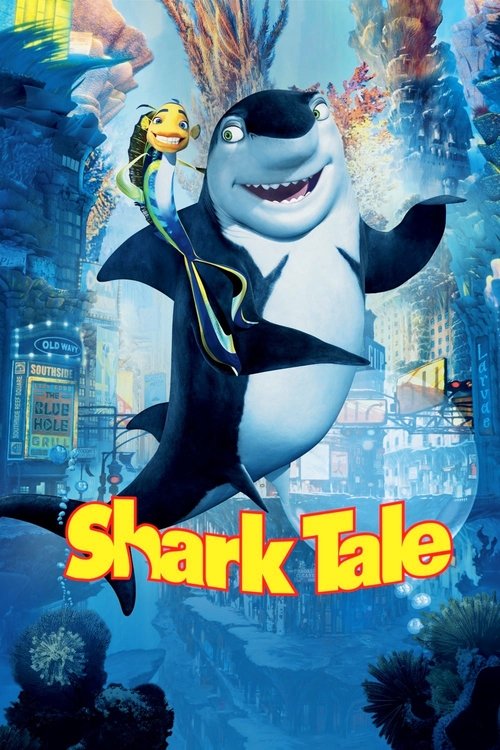
Shark Tale
When a son of a gangster shark boss is accidentally killed while on the hunt, his would-be prey and his vegetarian brother decide to use the incident to their own advantage.
Despite a significant budget of $75.0M, Shark Tale became a solid performer, earning $367.3M worldwide—a 390% return.
Nominated for 1 Oscar. 3 wins & 16 nominations


Plot Structure
Story beats plotted across runtime


Narrative Arc
Emotional journey through the story's key moments
Story Circle
Blueprint 15-beat structure
Characters
Cast & narrative archetypes

Oscar
Lenny
Angie
Don Lino
Lola
Sykes
Main Cast & Characters
Oscar
Played by Will Smith
A fast-talking fish who works at a whale wash and dreams of becoming rich and famous.
Lenny
Played by Jack Black
A vegetarian great white shark who refuses to follow his family's predatory ways.
Angie
Played by Renée Zellweger
A kind-hearted angelfish who works at the whale wash and has deep feelings for Oscar.
Don Lino
Played by Robert De Niro
The ruthless mob boss shark and Lenny's father who controls the reef's criminal underworld.
Lola
Played by Angelina Jolie
A seductive lionfish who represents Oscar's superficial dreams of fame and fortune.
Sykes
Played by Martin Scorsese
A pufferfish loan shark who employs Oscar and constantly pressures him for money.
Structural Analysis
The Status Quo at 1 minutes (1% through the runtime) establishes Oscar works as a lowly tongue-scrubber at the Whale Wash, dreaming of fame and riches while living at the bottom of the reef. He's dissatisfied with his ordinary life and craves recognition.. Notably, this early placement immediately immerses viewers in the story world.
The inciting incident occurs at 11 minutes when Oscar loses the bet at the seahorse races, leaving him unable to repay Sykes. He's dragged away by Ernie and Bernie to face punishment, disrupting his already precarious situation.. At 12% through the film, this Disruption aligns precisely with traditional story structure. This beat shifts the emotional landscape, launching the protagonist into the central conflict.
The First Threshold at 22 minutes marks the transition into Act II, occurring at 24% of the runtime. This indicates the protagonist's commitment to Oscar makes the active choice to claim he killed the shark and becomes the "Sharkslayer." He crosses into his new identity, embracing the lie that will define his Act 2 journey., moving from reaction to action.
At 46 minutes, the Midpoint arrives at 51% of the runtime—precisely centered, creating perfect narrative symmetry. Significantly, this crucial beat Oscar stages a dramatic public "defeat" of Sebastian the shark, cementing his legend. This is a false victory as his fame peaks, but Don Lino is now fully hunting for whoever killed his son, and Oscar's lies grow more dangerous., fundamentally raising what's at risk. The emotional intensity shifts, dividing the narrative into clear before-and-after phases.
The Collapse moment at 67 minutes (75% through) represents the emotional nadir. Here, Angie is kidnapped by Don Lino's sharks after Lola betrays Oscar's location. Oscar's lies have endangered the one person who truly cared about him. His false identity has put his real friend's life at stake., reveals the protagonist at their lowest point. This beat's placement in the final quarter sets up the climactic reversal.
The Second Threshold at 72 minutes initiates the final act resolution at 80% of the runtime. Oscar decides to confess the truth and rescue Angie. He finally chooses authenticity over his fake celebrity status, synthesizing his desire for recognition with the need for genuine connection., demonstrating the transformation achieved throughout the journey.
Emotional Journey
Shark Tale's emotional architecture traces a deliberate progression across 15 carefully calibrated beats.
Narrative Framework
This structural analysis employs structural analysis methodology used to understand storytelling architecture. By mapping Shark Tale against these established plot points, we can identify how Bibo Bergeron utilizes or subverts traditional narrative conventions. The plot point approach reveals not only adherence to structural principles but also creative choices that distinguish Shark Tale within the animation genre.
Bibo Bergeron's Structural Approach
Among the 2 Bibo Bergeron films analyzed on Arcplot, the average structural score is 7.4, reflecting strong command of classical structure. Shark Tale exemplifies the director's characteristic narrative technique. For comparative analysis, explore the complete Bibo Bergeron filmography.
Comparative Analysis
Additional animation films include The Bad Guys, Puss in Boots and Violet Evergarden: Eternity and the Auto Memory Doll. For more Bibo Bergeron analyses, see The Road to El Dorado.
Plot Points by Act
Act I
SetupStatus Quo
Oscar works as a lowly tongue-scrubber at the Whale Wash, dreaming of fame and riches while living at the bottom of the reef. He's dissatisfied with his ordinary life and craves recognition.
Theme
Angie tells Oscar that a great white lie is still a lie, foreshadowing the central theme that authenticity matters more than the facade of success. She sees value in Oscar that he cannot see in himself.
Worldbuilding
The underwater world of the reef is established as a class-conscious society. Oscar's debts to Sykes, his friendship with Angie, and the shark mafia ruled by Don Lino are introduced. Oscar gambles away money Angie gave him.
Disruption
Oscar loses the bet at the seahorse races, leaving him unable to repay Sykes. He's dragged away by Ernie and Bernie to face punishment, disrupting his already precarious situation.
Resistance
Oscar is about to be killed by Ernie and Bernie when Frankie the shark is accidentally killed by a falling anchor while chasing Oscar. Lenny, Frankie's vegetarian brother, witnesses everything but keeps quiet.
Act II
ConfrontationFirst Threshold
Oscar makes the active choice to claim he killed the shark and becomes the "Sharkslayer." He crosses into his new identity, embracing the lie that will define his Act 2 journey.
Mirror World
Lenny approaches Oscar, desperate to escape his father's expectations. Their unlikely friendship forms as both characters struggle with identity and family pressure, mirroring Oscar's own conflict about authenticity.
Premise
Oscar enjoys the perks of fame as the Sharkslayer. He gets a penthouse, dates Lola the golddigger fish, becomes a celebrity, and stages fake shark fights with Lenny disguised as "Sebastian." The promise of the premise delivers the fun of Oscar's rise to stardom.
Midpoint
Oscar stages a dramatic public "defeat" of Sebastian the shark, cementing his legend. This is a false victory as his fame peaks, but Don Lino is now fully hunting for whoever killed his son, and Oscar's lies grow more dangerous.
Opposition
Don Lino intensifies his search for the Sharkslayer. Lola blackmails Oscar after learning his secret. Angie discovers the truth and is deeply hurt by Oscar's lies and his rejection of her genuine love for superficial fame.
Collapse
Angie is kidnapped by Don Lino's sharks after Lola betrays Oscar's location. Oscar's lies have endangered the one person who truly cared about him. His false identity has put his real friend's life at stake.
Crisis
Oscar faces the consequences of his deception. Don Lino holds Angie hostage at the Whale Wash and demands Oscar come face him. Oscar must confront the emptiness of his fame and the real value of his relationships.
Act III
ResolutionSecond Threshold
Oscar decides to confess the truth and rescue Angie. He finally chooses authenticity over his fake celebrity status, synthesizing his desire for recognition with the need for genuine connection.
Synthesis
Oscar confronts Don Lino at the Whale Wash and publicly confesses he didn't kill Frankie. Lenny reveals himself to his father. Don Lino reconciles with Lenny, accepting his son for who he is. Oscar and Angie express their true feelings.
Transformation
Oscar returns to work at the Whale Wash as co-manager with Angie, content with his authentic life. He's no longer chasing empty fame but has found real happiness through honest relationships and self-acceptance.