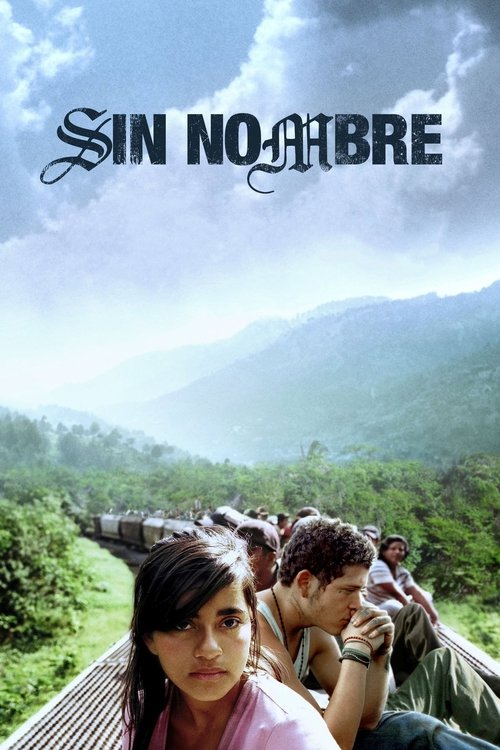
Sin Nombre
Sayra, a Honduran teen, hungers for a better life. Her chance for one comes when she is reunited with her long-estranged father, who intends to emigrate to Mexico and then enter the United States. Sayra's life collides with a pair of Mexican gangmembers who have boarded the same American-bound train.
The film earned $5.1M at the global box office.
14 wins & 18 nominations


Plot Structure
Story beats plotted across runtime


Narrative Arc
Emotional journey through the story's key moments
Story Circle
Blueprint 15-beat structure
Arcplot Score Breakdown
Weighted: Precision (70%) + Arc (15%) + Theme (15%)
Sin Nombre (2009) reveals deliberately positioned narrative design, characteristic of Cary Joji Fukunaga's storytelling approach. This structural analysis examines how the film's 15-point plot structure maps to proven narrative frameworks across 1 hour and 36 minutes. With an Arcplot score of 6.7, the film balances conventional beats with creative variation.
Characters
Cast & narrative archetypes

Willy (El Casper)
Sayra
Smiley
Lil Mago
Martha Marlene
Main Cast & Characters
Willy (El Casper)
Played by Edgar Flores
A gang member in the Mara Salvatrucha who struggles with loyalty to the gang versus his own moral compass after falling for a migrant girl.
Sayra
Played by Paulina Gaitan
A Honduran teenager traveling north through Mexico with her father and uncle to reach the United States for a better life.
Smiley
Played by Kristyan Ferrer
A 12-year-old boy eager to prove himself and gain full membership in the Mara Salvatrucha gang.
Lil Mago
Played by Tenoch Huerta Mejía
A violent and impulsive gang leader who represents the brutal reality of gang life and serves as a catalyst for Casper's transformation.
Martha Marlene
Played by Diana García
Casper's girlfriend and a member of the gang community who ultimately becomes a victim of gang violence.
Structural Analysis
The Status Quo at 1 minutes (1% through the runtime) establishes Parallel introductions: Casper (Willy) sits with his MS-13 gang in Tapachula, Mexico, while Sayra prepares to leave Honduras with her father and uncle. Two worlds of desperation established.. Structural examination shows that this early placement immediately immerses viewers in the story world.
The inciting incident occurs at 12 minutes when Lil' Mago discovers Casper's secret girlfriend Martha and later kills her, forcing Casper to dispose of her body. His world within the gang becomes untenable—he can no longer pretend loyalty.. At 12% through the film, this Disruption aligns precisely with traditional story structure. This beat shifts the emotional landscape, launching the protagonist into the central conflict.
The First Threshold at 24 minutes marks the transition into Act II, occurring at 25% of the runtime. This indicates the protagonist's commitment to When Lil' Mago attempts to rape Sayra on the train, Casper makes his irreversible choice—he kills Lil' Mago with a machete. He becomes "sin nombre" (nameless), a marked man hunted by his own gang., moving from reaction to action.
At 48 minutes, the Midpoint arrives at 50% of the runtime—precisely centered, creating perfect narrative symmetry. Notably, this crucial beat Casper and Sayra reach a migrant shelter and share a moment of genuine intimacy. Casper begins to believe escape might be possible—he could have a future with Sayra in America. A false victory as danger closes in., fundamentally raising what's at risk. The emotional intensity shifts, dividing the narrative into clear before-and-after phases.
The Collapse moment at 72 minutes (75% through) represents the emotional nadir. Here, Casper realizes the gang will never stop hunting him—his tattoos mark him for death. He sees Smiley among the pursuing gang members and understands his former protégé has been sent to kill him. Escape seems impossible., indicates the protagonist at their lowest point. This beat's placement in the final quarter sets up the climactic reversal.
The Second Threshold at 77 minutes initiates the final act resolution at 80% of the runtime. Casper decides to sacrifice himself for Sayra's freedom. He will face the gang and Smiley, buying her time to cross the river into America. His redemption lies not in escape but in saving her., demonstrating the transformation achieved throughout the journey.
Emotional Journey
Sin Nombre's emotional architecture traces a deliberate progression across 15 carefully calibrated beats.
Narrative Framework
This structural analysis employs a 15-point narrative structure framework that maps key story moments. By mapping Sin Nombre against these established plot points, we can identify how Cary Joji Fukunaga utilizes or subverts traditional narrative conventions. The plot point approach reveals not only adherence to structural principles but also creative choices that distinguish Sin Nombre within the drama genre.
Cary Joji Fukunaga's Structural Approach
Among the 2 Cary Joji Fukunaga films analyzed on Arcplot, the average structural score is 6.8, demonstrating varied approaches to story architecture. Sin Nombre takes a more unconventional approach compared to the director's typical style. For comparative analysis, explore the complete Cary Joji Fukunaga filmography.
Comparative Analysis
Additional drama films include After Thomas, South Pacific and Dirty Dancing: Havana Nights. For more Cary Joji Fukunaga analyses, see No Time to Die.
Plot Points by Act
Act I
SetupStatus Quo
Parallel introductions: Casper (Willy) sits with his MS-13 gang in Tapachula, Mexico, while Sayra prepares to leave Honduras with her father and uncle. Two worlds of desperation established.
Theme
Sayra's uncle tells her that the journey north will change everything—"Once you cross, there's no going back." The theme of irreversible choices and the cost of seeking a better life is stated.
Worldbuilding
The brutal world of MS-13 is established as Casper recruits Smiley, a young boy, into the gang. Simultaneously, Sayra's family begins their dangerous trek north through Guatemala toward Mexico. Casper's secret relationship with Martha is revealed.
Disruption
Lil' Mago discovers Casper's secret girlfriend Martha and later kills her, forcing Casper to dispose of her body. His world within the gang becomes untenable—he can no longer pretend loyalty.
Resistance
Casper buries Martha and struggles with grief while maintaining his gang facade. Sayra's group reaches Mexico and boards the freight train ("La Bestia"). Casper is assigned to rob migrants on the train with Lil' Mago and Smiley.
Act II
ConfrontationFirst Threshold
When Lil' Mago attempts to rape Sayra on the train, Casper makes his irreversible choice—he kills Lil' Mago with a machete. He becomes "sin nombre" (nameless), a marked man hunted by his own gang.
Mirror World
Sayra chooses to help Casper despite the danger he represents. Their unlikely alliance forms atop the moving train—she sees his humanity beneath the gang tattoos, offering him the connection and redemption he lost with Martha.
Premise
Casper and Sayra travel together on La Bestia, developing trust and connection. He protects her; she offers him hope of escape. Meanwhile, MS-13 mobilizes to hunt Casper, and Smiley is pressured to prove his loyalty by killing his former mentor.
Midpoint
Casper and Sayra reach a migrant shelter and share a moment of genuine intimacy. Casper begins to believe escape might be possible—he could have a future with Sayra in America. A false victory as danger closes in.
Opposition
The gang network spreads word of Casper's betrayal across Mexico. Immigration raids scatter the migrants. Sayra's father is caught and deported. Casper and Sayra must continue alone, with MS-13 operatives tracking them at every stop.
Collapse
Casper realizes the gang will never stop hunting him—his tattoos mark him for death. He sees Smiley among the pursuing gang members and understands his former protégé has been sent to kill him. Escape seems impossible.
Crisis
Casper grapples with the futility of running. He knows crossing the border won't free him—the gang's reach extends into America. He must choose between dragging Sayra into his doomed fate or giving her a chance alone.
Act III
ResolutionSecond Threshold
Casper decides to sacrifice himself for Sayra's freedom. He will face the gang and Smiley, buying her time to cross the river into America. His redemption lies not in escape but in saving her.
Synthesis
At the Rio Grande, Casper helps Sayra into the water toward America. Smiley finds him and, after hesitation, shoots Casper—completing his gang initiation. Casper dies having freed Sayra. She reaches the other side and is taken in by her uncle's contact.
Transformation
Sayra rides alone in a truck through Texas, having survived the journey but lost Casper. Her face reflects both grief and resolve—she carries his memory forward. The cycle of violence claims another, but hope crosses the border.