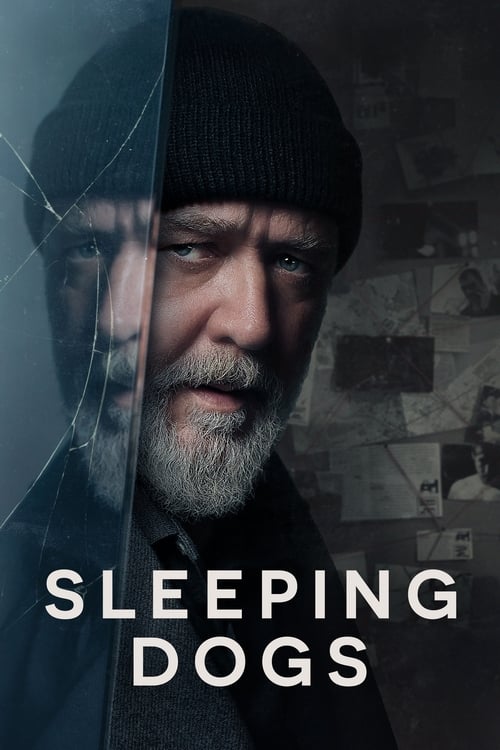
Sleeping Dogs
An ex-homicide detective with memory loss is forced to solve a brutal murder, only to uncover chilling secrets from his forgotten past.


Plot Structure
Story beats plotted across runtime


Narrative Arc
Emotional journey through the story's key moments
Story Circle
Blueprint 15-beat structure
Characters
Cast & narrative archetypes

Roy Freeman
Laura Baines
Isaac Samuel
Jimmy Remis
Joseph Wieder
Richard Finn
Main Cast & Characters
Roy Freeman
Played by Russell Crowe
A retired homicide detective suffering from Alzheimer's who must revisit a decade-old murder case
Laura Baines
Played by Karen Gillan
A psychiatrist treating Roy who becomes involved in his investigation
Isaac Samuel
Played by Marton Csokas
A death row inmate convicted of murder who claims innocence and seeks Roy's help
Jimmy Remis
Played by Tommy Flanagan
Roy's former partner and fellow detective who worked the original case
Joseph Wieder
Played by Harry Greenwood
The murder victim, a psychologist whose death remains mysterious
Richard Finn
Played by Thomas M. Wright
A professor connected to the victim and the original investigation
Structural Analysis
The Status Quo at 1 minutes (1% through the runtime) establishes Roy Freeman struggles with the fog of Alzheimer's, recording voice memos to himself and reviewing notes just to navigate daily life. A once-sharp detective now lives in fragments.. The analysis reveals that this early placement immediately immerses viewers in the story world.
The inciting incident occurs at 13 minutes when A man on death row, convicted of murder based on Roy's original investigation, is about to be executed. New evidence surfaces suggesting the wrong man may have been convicted—and Roy was the lead detective.. At 12% through the film, this Disruption aligns precisely with traditional story structure. This beat shifts the emotional landscape, launching the protagonist into the central conflict.
The First Threshold at 28 minutes marks the transition into Act II, occurring at 25% of the runtime. This indicates the protagonist's commitment to Roy commits to reinvestigating the case himself, despite his condition. He chooses truth over comfort, knowing his mind is both the key to solving the mystery and the obstacle preventing it., moving from reaction to action.
At 56 minutes, the Midpoint arrives at 50% of the runtime—precisely centered, creating perfect narrative symmetry. Notably, this crucial beat Roy uncovers evidence that he himself may have suppressed crucial information during the original investigation. The detective hunting for truth realizes he might be hunting himself., fundamentally raising what's at risk. The emotional intensity shifts, dividing the narrative into clear before-and-after phases.
The Collapse moment at 84 minutes (75% through) represents the emotional nadir. Here, Roy's worst fear is confirmed: his own complicity in the cover-up. Whether through corruption or Alzheimer's-induced amnesia, he helped condemn an innocent man. His identity as a good cop dies., indicates the protagonist at their lowest point. This beat's placement in the final quarter sets up the climactic reversal.
The Second Threshold at 90 minutes initiates the final act resolution at 80% of the runtime. Roy realizes that his Alzheimer's, the very thing destroying him, also holds the key—buried memories resurface revealing the true killer. He chooses to expose everything, including his own failures., demonstrating the transformation achieved throughout the journey.
Emotional Journey
Sleeping Dogs's emotional architecture traces a deliberate progression across 15 carefully calibrated beats.
Narrative Framework
This structural analysis employs systematic plot point analysis that identifies crucial turning points. By mapping Sleeping Dogs against these established plot points, we can identify how Adam Cooper utilizes or subverts traditional narrative conventions. The plot point approach reveals not only adherence to structural principles but also creative choices that distinguish Sleeping Dogs within the crime genre.
Comparative Analysis
Additional crime films include The Bad Guys, Rustom and The Whole Ten Yards.
Plot Points by Act
Act I
SetupStatus Quo
Roy Freeman struggles with the fog of Alzheimer's, recording voice memos to himself and reviewing notes just to navigate daily life. A once-sharp detective now lives in fragments.
Theme
Roy's doctor warns him: "The past has a way of resurfacing whether we want it to or not." This encapsulates the film's meditation on memory, guilt, and the impossibility of burying truth.
Worldbuilding
We see Roy's diminished world: his estranged relationships, his cognitive exercises, and glimpses of his former career. A man condemned to watch himself disappear piece by piece.
Disruption
A man on death row, convicted of murder based on Roy's original investigation, is about to be executed. New evidence surfaces suggesting the wrong man may have been convicted—and Roy was the lead detective.
Resistance
Roy wrestles with whether to reopen wounds he cannot remember making. He retrieves old case files, confronts gaps in his memory, and debates whether a man with failing cognition can pursue justice.
Act II
ConfrontationFirst Threshold
Roy commits to reinvestigating the case himself, despite his condition. He chooses truth over comfort, knowing his mind is both the key to solving the mystery and the obstacle preventing it.
Mirror World
Roy connects with Laura, the victim's daughter, who has her own desperate need for closure. Their bond becomes the emotional heart of the story—two people haunted by the same unresolved past.
Premise
Roy pieces together the cold case using fragments of memory and old evidence. Each discovery triggers flashes of the past, blurring the line between investigation and excavation of his own buried guilt.
Midpoint
Roy uncovers evidence that he himself may have suppressed crucial information during the original investigation. The detective hunting for truth realizes he might be hunting himself.
Opposition
Powerful forces work to keep the past buried. Roy faces threats, his memory episodes intensify, and those connected to the original case begin closing ranks against his investigation.
Collapse
Roy's worst fear is confirmed: his own complicity in the cover-up. Whether through corruption or Alzheimer's-induced amnesia, he helped condemn an innocent man. His identity as a good cop dies.
Crisis
Roy spirals into despair, questioning whether redemption is possible for someone who cannot even trust their own memories. Laura's faith in him wavers as the truth of his involvement emerges.
Act III
ResolutionSecond Threshold
Roy realizes that his Alzheimer's, the very thing destroying him, also holds the key—buried memories resurface revealing the true killer. He chooses to expose everything, including his own failures.
Synthesis
Roy confronts the real murderer and exposes the conspiracy that framed an innocent man. Justice is served, but at tremendous personal cost as Roy's condition continues its irreversible march.
Transformation
Roy, his memory continuing to fade, sits with Laura. He may not remember solving the case tomorrow, but today he found peace. The detective who lost himself found redemption before disappearing entirely.