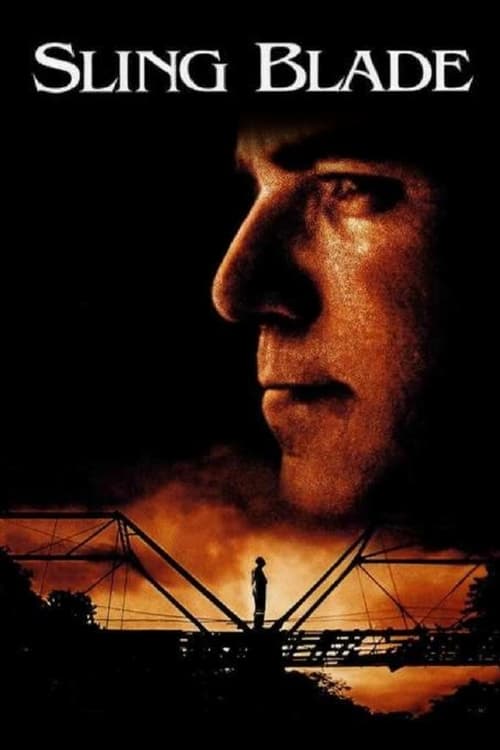
Sling Blade
Karl Childers, a mentally disabled man, has been in the custody of the state mental hospital since the age of 12 for killing his mother and her lover. Although thoroughly institutionalized, he is deemed fit to be released into the outside world.
Despite its limited budget of $1.2M, Sling Blade became a commercial juggernaut, earning $34.1M worldwide—a remarkable 2742% return. The film's bold vision engaged audiences, showing that strong storytelling can transcend budget limitations.
1 Oscar. 14 wins & 15 nominations
Plot Structure
Story beats plotted across runtime


Narrative Arc
Emotional journey through the story's key moments
Story Circle
Blueprint 15-beat structure
Arcplot Score Breakdown
Weighted: Precision (70%) + Arc (15%) + Theme (15%)
Sling Blade (1996) exemplifies carefully calibrated narrative architecture, characteristic of Billy Bob Thornton's storytelling approach. This structural analysis examines how the film's 15-point plot structure maps to proven narrative frameworks across 2 hours and 15 minutes. With an Arcplot score of 7.2, the film balances conventional beats with creative variation.
Characters
Cast & narrative archetypes

Karl Childers
Frank Wheatley
Doyle Hargraves
Linda Wheatley
Vaughan Cunningham
Charles Bushman
Main Cast & Characters
Karl Childers
Played by Billy Bob Thornton
A mentally disabled man released from psychiatric hospital after 25 years for killing his mother and her lover as a boy. Befriends a young boy and seeks redemption.
Frank Wheatley
Played by Lucas Black
A lonely 12-year-old boy who befriends Karl and becomes his closest companion. Lives with his mother and her abusive boyfriend.
Doyle Hargraves
Played by Dwight Yoakam
Linda's volatile, alcoholic boyfriend who abuses her and Frank emotionally. Represents the main antagonistic force in the story.
Linda Wheatley
Played by Natalie Canerday
Frank's mother, a kind woman trapped in an abusive relationship with Doyle. Works at a dollar store and struggles to provide stability.
Vaughan Cunningham
Played by John Ritter
Linda's gay best friend and manager at the dollar store. Protective of Linda and Frank, deeply spiritual and compassionate.
Charles Bushman
Played by J.T. Walsh
The hospital superintendent who releases Karl. Shows genuine care for Karl's wellbeing and future.
Structural Analysis
The Status Quo at 2 minutes (2% through the runtime) establishes Karl Childers sits institutionalized in a mental hospital, a damaged man who has spent 25 years locked away for killing his mother and her lover when he was 12 years old.. Significantly, this early placement immediately immerses viewers in the story world.
The inciting incident occurs at 17 minutes when Karl is released from the mental hospital after 25 years, thrust into a world that has moved on without him. He must now navigate freedom and find a place in society.. At 13% through the film, this Disruption is delayed, allowing extended setup of the story world. This beat shifts the emotional landscape, launching the protagonist into the central conflict.
The First Threshold at 33 minutes marks the transition into Act II, occurring at 24% of the runtime. This reveals the protagonist's commitment to Karl meets young Frank Wheatley and his mother Linda, who offer him friendship and eventually a place to stay. Karl chooses to accept their kindness and enter into their lives, crossing into a new world of family and belonging., moving from reaction to action.
At 68 minutes, the Midpoint arrives at 50% of the runtime—precisely centered, creating perfect narrative symmetry. Of particular interest, this crucial beat Doyle's true nature fully emerges as he verbally abuses Frank and asserts control over Linda. Karl witnesses the escalating danger and realizes this false family may be destroyed, just as his original family was corrupted by violence., fundamentally raising what's at risk. The emotional intensity shifts, dividing the narrative into clear before-and-after phases.
The Collapse moment at 101 minutes (75% through) represents the emotional nadir. Here, Doyle issues an ultimatum: Karl must leave, and he makes clear his abusive control over Linda and Frank will continue. Karl realizes the boy he loves will suffer the same fate he did as a child unless someone intervenes., demonstrates the protagonist at their lowest point. This beat's placement in the final quarter sets up the climactic reversal.
The Second Threshold at 108 minutes initiates the final act resolution at 80% of the runtime. Karl obtains a lawnmower blade and sharpens it. He has made his decision: he will sacrifice his freedom and return to institutionalization to protect Frank from Doyle, breaking the cycle of violence by choosing to act with purpose rather than blind rage., demonstrating the transformation achieved throughout the journey.
Emotional Journey
Sling Blade's emotional architecture traces a deliberate progression across 15 carefully calibrated beats.
Narrative Framework
This structural analysis employs systematic plot point analysis that identifies crucial turning points. By mapping Sling Blade against these established plot points, we can identify how Billy Bob Thornton utilizes or subverts traditional narrative conventions. The plot point approach reveals not only adherence to structural principles but also creative choices that distinguish Sling Blade within the drama genre.
Billy Bob Thornton's Structural Approach
Among the 2 Billy Bob Thornton films analyzed on Arcplot, the average structural score is 7.3, reflecting strong command of classical structure. Sling Blade takes a more unconventional approach compared to the director's typical style. For comparative analysis, explore the complete Billy Bob Thornton filmography.
Comparative Analysis
Additional drama films include After Thomas, South Pacific and Dirty Dancing: Havana Nights. For more Billy Bob Thornton analyses, see All the Pretty Horses.
Plot Points by Act
Act I
SetupStatus Quo
Karl Childers sits institutionalized in a mental hospital, a damaged man who has spent 25 years locked away for killing his mother and her lover when he was 12 years old.
Theme
In the opening interview, the journalist tells Karl that some people deserve a second chance, foreshadowing the film's exploration of redemption and whether damaged souls can be healed through love and sacrifice.
Worldbuilding
Karl's world inside the institution is established through his haunting monologue about the murders, his simple mannerisms, and his release evaluation. We learn he is intellectually disabled but not insane, and has been deemed ready for release.
Disruption
Karl is released from the mental hospital after 25 years, thrust into a world that has moved on without him. He must now navigate freedom and find a place in society.
Resistance
Karl struggles to adapt to the outside world, finding work at a repair shop. He awkwardly navigates social interactions, revealing his childlike nature despite his troubled past. He attempts to return to the institution but is turned away.
Act II
ConfrontationFirst Threshold
Karl meets young Frank Wheatley and his mother Linda, who offer him friendship and eventually a place to stay. Karl chooses to accept their kindness and enter into their lives, crossing into a new world of family and belonging.
Mirror World
Karl bonds with Frank, becoming a father figure to the boy. This relationship represents the love and family Karl never had, showing him what it means to protect innocence rather than destroy it.
Premise
Karl integrates into Frank and Linda's household, forming deep bonds with both. He works, makes friends, and experiences normalcy for the first time. However, Linda's abusive boyfriend Doyle increasingly threatens this fragile peace with his cruel, domineering presence.
Midpoint
Doyle's true nature fully emerges as he verbally abuses Frank and asserts control over Linda. Karl witnesses the escalating danger and realizes this false family may be destroyed, just as his original family was corrupted by violence.
Opposition
Tension escalates as Doyle's behavior worsens. He threatens to kick Karl out, torments Frank, and controls Linda. Karl observes the situation deteriorating, recognizing patterns from his own childhood. The chosen family that gave Karl purpose is being poisoned by Doyle's presence.
Collapse
Doyle issues an ultimatum: Karl must leave, and he makes clear his abusive control over Linda and Frank will continue. Karl realizes the boy he loves will suffer the same fate he did as a child unless someone intervenes.
Crisis
Karl wrestles with what he must do. He visits his father, confronting his past directly. He makes peace with Frank, ensuring the boy will be taken care of. He arranges for Frank to stay elsewhere, methodically preparing for what comes next.
Act III
ResolutionSecond Threshold
Karl obtains a lawnmower blade and sharpens it. He has made his decision: he will sacrifice his freedom and return to institutionalization to protect Frank from Doyle, breaking the cycle of violence by choosing to act with purpose rather than blind rage.
Synthesis
Karl returns to the house and kills Doyle with the sharpened blade. He then calmly calls the police and waits to be arrested. Unlike his childhood murders, this act is deliberate, sacrificial, and protective—Karl has transformed violence from mindless destruction into purposeful sacrifice.
Transformation
Karl returns to the mental institution, but transformed. Where he once sat hollow and damaged, he now sits with purpose and peace, having saved Frank from the abuse he suffered. He found redemption not through freedom, but through sacrifice.