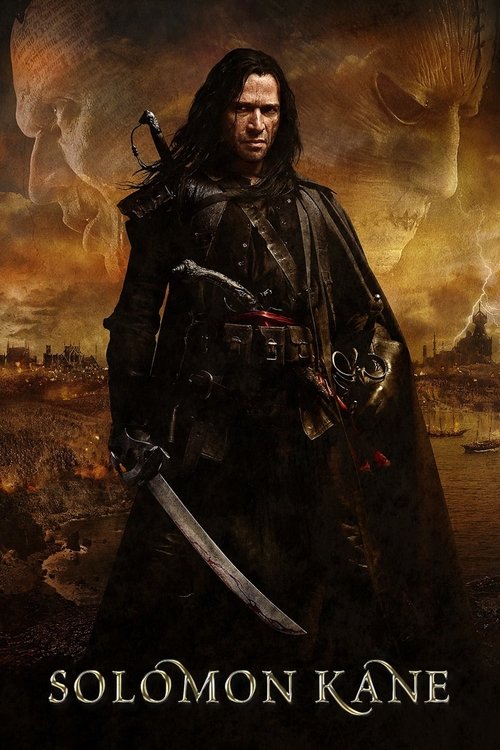
Solomon Kane
A nomadic 16th century warrior, condemned to hell for his brutal past, seeks redemption by renouncing violence, but finds some things are worth burning for as he fights to free a young Puritan woman from the grip of evil.
The film financial setback against its moderate budget of $45.0M, earning $19.7M globally (-56% loss). While initial box office returns were modest, the film has gained appreciation for its compelling narrative within the adventure genre.
1 win & 1 nomination


Plot Structure
Story beats plotted across runtime


Narrative Arc
Emotional journey through the story's key moments
Story Circle
Blueprint 15-beat structure
Arcplot Score Breakdown
Weighted: Precision (70%) + Arc (15%) + Theme (15%)
Solomon Kane (2009) exemplifies carefully calibrated story structure, characteristic of MJ Bassett's storytelling approach. This structural analysis examines how the film's 11-point plot structure maps to proven narrative frameworks across 1 hour and 44 minutes. With an Arcplot score of 6.5, the film balances conventional beats with creative variation.
Characters
Cast & narrative archetypes

Solomon Kane
Meredith Crowthorn
Malachi
William Crowthorn
Marcus Kane
Katherine Crowthorn
Main Cast & Characters
Solomon Kane
Played by James Purefoy
A brutal mercenary seeking redemption who must battle dark forces to save his soul and protect the innocent.
Meredith Crowthorn
Played by Rachel Hurd-Wood
The compassionate daughter of the Crowthorn family who becomes Kane's moral anchor and romantic interest.
Malachi
Played by Jason Flemyng
The sorcerer and primary antagonist who serves darkness and seeks to corrupt Kane's soul.
William Crowthorn
Played by Pete Postlethwaite
The devout Puritan patriarch who offers Kane temporary sanctuary and represents the moral compass.
Marcus Kane
Played by Max von Sydow
Solomon's brother whose tragic fate drives the hero's guilt and quest for redemption.
Katherine Crowthorn
Played by Alice Krige
Meredith's mother and William's wife, representing family and faith.
Structural Analysis
The Status Quo at 1 minutes (1% through the runtime) establishes Solomon Kane leads his mercenaries in a brutal siege of a North African fortress in 1600, revealing him as a ruthless, violent man consumed by greed and conquest.. Significantly, this early placement immediately immerses viewers in the story world.
The inciting incident occurs at 13 minutes when The Abbot expels Solomon from the monastery, telling him his destiny lies elsewhere. Solomon must leave his sanctuary and face the dangerous world he has been hiding from.. At 12% through the film, this Disruption aligns precisely with traditional story structure. This beat shifts the emotional landscape, launching the protagonist into the central conflict.
At 52 minutes, the Midpoint arrives at 50% of the runtime—precisely centered, creating perfect narrative symmetry. Notably, this crucial beat Malachi's raiders attack the Crowthorn camp. William and most of the family are slaughtered. Meredith is captured by the masked warrior. Solomon is beaten and left for dead, crucified. His vow of non-violence has failed to protect those he loved., fundamentally raising what's at risk. The emotional intensity shifts, dividing the narrative into clear before-and-after phases.
The Collapse moment at 78 minutes (75% through) represents the emotional nadir. Here, Solomon discovers the masked warrior is his own brother Marcus, corrupted and enslaved by Malachi. He must face the horror that his family's legacy is intertwined with the evil he fights. His father's sins and his own abandonment contributed to Marcus's fall., reveals the protagonist at their lowest point. This beat's placement in the final quarter sets up the climactic reversal.
The Synthesis at 84 minutes initiates the final act resolution at 81% of the runtime. Solomon battles through Malachi's stronghold, confronts and defeats his corrupted brother Marcus, and faces Malachi himself. He kills the sorcerer and destroys the demonic portal, freeing Meredith and the enslaved villagers. His violent skills are redeemed through righteous purpose., demonstrating the transformation achieved throughout the journey.
Emotional Journey
Solomon Kane's emotional architecture traces a deliberate progression across 11 carefully calibrated beats.
Narrative Framework
This structural analysis employs proven narrative structure principles that track dramatic progression. By mapping Solomon Kane against these established plot points, we can identify how MJ Bassett utilizes or subverts traditional narrative conventions. The plot point approach reveals not only adherence to structural principles but also creative choices that distinguish Solomon Kane within the adventure genre.
MJ Bassett's Structural Approach
Among the 2 MJ Bassett films analyzed on Arcplot, the average structural score is 7.0, demonstrating varied approaches to story architecture. Solomon Kane takes a more unconventional approach compared to the director's typical style. For comparative analysis, explore the complete MJ Bassett filmography.
Comparative Analysis
Additional adventure films include The Black Stallion, The Bad Guys and Puss in Boots. For more MJ Bassett analyses, see Silent Hill: Revelation 3D.
Plot Points by Act
Act I
SetupStatus Quo
Solomon Kane leads his mercenaries in a brutal siege of a North African fortress in 1600, revealing him as a ruthless, violent man consumed by greed and conquest.
Theme
The Devil's Reaper declares Solomon's soul belongs to the Devil, stating "You are a man of many sins." The theme of redemption through renouncing violence is established.
Worldbuilding
Solomon's violent past is established through the African siege. After escaping the Reaper, we see him years later as a penitent monk in England, having renounced violence to save his soul. He is expelled from the monastery and must journey home.
Disruption
The Abbot expels Solomon from the monastery, telling him his destiny lies elsewhere. Solomon must leave his sanctuary and face the dangerous world he has been hiding from.
Resistance
Solomon journeys through a bleak, dangerous England plagued by evil. He encounters the Crowthorn family—William, Katherine, and their daughter Meredith—Puritans who show him kindness and represent the peaceful life he yearns for.
Act II
ConfrontationPremise
Solomon travels with the Crowthorns through increasingly dangerous territory. He struggles to maintain his vow of non-violence as they encounter threats. The land is corrupted by the sorcerer Malachi and his masked lieutenant. Solomon protects the family while wrestling with his pacifist oath.
Midpoint
Malachi's raiders attack the Crowthorn camp. William and most of the family are slaughtered. Meredith is captured by the masked warrior. Solomon is beaten and left for dead, crucified. His vow of non-violence has failed to protect those he loved.
Opposition
Solomon is rescued and nursed back to health. He abandons his pacifist vow and takes up the sword again to rescue Meredith. He carves a violent path through Malachi's forces, reclaiming his warrior skills while seeking the sorcerer's stronghold. He learns Malachi serves a greater demonic evil.
Collapse
Solomon discovers the masked warrior is his own brother Marcus, corrupted and enslaved by Malachi. He must face the horror that his family's legacy is intertwined with the evil he fights. His father's sins and his own abandonment contributed to Marcus's fall.
Crisis
Solomon confronts the weight of his past—his estrangement from his father, his brother's corruption, and the violence that has defined his life. He must reconcile that redemption requires sacrifice, not just renunciation of violence.
Act III
ResolutionSynthesis
Solomon battles through Malachi's stronghold, confronts and defeats his corrupted brother Marcus, and faces Malachi himself. He kills the sorcerer and destroys the demonic portal, freeing Meredith and the enslaved villagers. His violent skills are redeemed through righteous purpose.