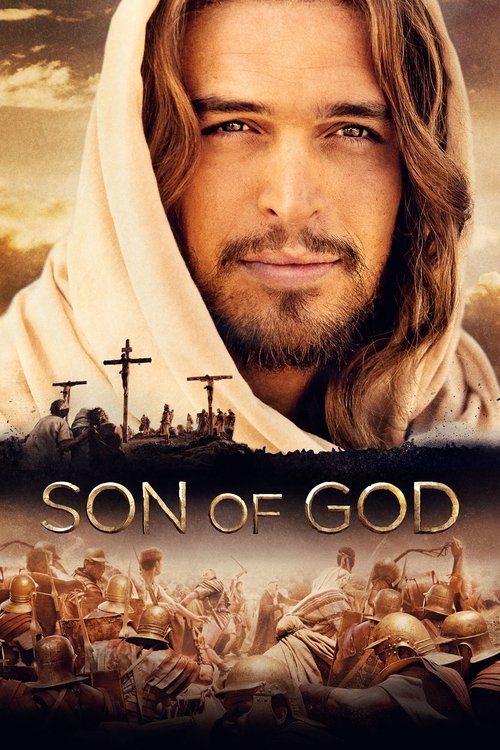
Son of God
In the Holy Land, the Roman occupation has produced a cauldron of oppression, anxiety and excessive taxes levied upon the Jewish people. Fearing the wrath of Roman governor Pontius Pilate , Jewish high priest Caiaphas tries to keep control of his people. That control is threatened when Jesus arrives in Jerusalem, performing miracles and spreading messages of love and hope. Those who fear that Jesus will inspire a revolution decide that he must die.
Despite a moderate budget of $22.0M, Son of God became a commercial success, earning $70.8M worldwide—a 222% return.
2 wins & 1 nomination


Plot Structure
Story beats plotted across runtime


Narrative Arc
Emotional journey through the story's key moments
Story Circle
Blueprint 15-beat structure
Arcplot Score Breakdown
Weighted: Precision (70%) + Arc (15%) + Theme (15%)
Son of God (2014) exemplifies deliberately positioned narrative design, characteristic of Christopher Spencer's storytelling approach. This structural analysis examines how the film's 15-point plot structure maps to proven narrative frameworks across 2 hours and 18 minutes. With an Arcplot score of 7.0, the film balances conventional beats with creative variation.
Characters
Cast & narrative archetypes

Jesus Christ
Mary
Peter
John
Mary Magdalene
Judas Iscariot
Pontius Pilate
Caiaphas
Thomas
Main Cast & Characters
Jesus Christ
Played by Diogo Morgado
The Son of God who teaches love, performs miracles, and sacrifices himself for humanity's salvation.
Mary
Played by Roma Downey
Mother of Jesus, devoted and faithful, who witnesses her son's ministry and crucifixion.
Peter
Played by Darwin Shaw
Fisherman turned apostle, impulsive and passionate, who becomes a leader of the early church despite his denial.
John
Played by Sebastian Knapp
The beloved disciple, young and devoted, who remains faithful throughout Jesus's crucifixion and resurrection.
Mary Magdalene
Played by Amber Rose Revah
Devoted follower of Jesus, delivered from demons, who becomes a key witness to his death and resurrection.
Judas Iscariot
Played by Joe Wredden
Apostle who betrays Jesus to the religious authorities for thirty pieces of silver, later consumed by guilt.
Pontius Pilate
Played by Greg Hicks
Roman governor of Judea who reluctantly orders Jesus's crucifixion under political pressure.
Caiaphas
Played by Adrian Schiller
High priest who views Jesus as a threat to religious order and orchestrates his arrest and trial.
Thomas
Played by Matthew Gravelle
Apostle known for his initial doubt about the resurrection until he sees the risen Christ.
Structural Analysis
The Status Quo at 1 minutes (1% through the runtime) establishes Opening with John's narration "In the beginning was the Word" - establishing the divine nature of Jesus and the world under Roman occupation before His ministry begins.. Structural examination shows that this early placement immediately immerses viewers in the story world.
The inciting incident occurs at 16 minutes when Jesus performs His first miracle at the wedding in Cana, turning water into wine. This supernatural act disrupts the ordinary and reveals His divine power publicly.. At 12% through the film, this Disruption aligns precisely with traditional story structure. This beat shifts the emotional landscape, launching the protagonist into the central conflict.
The First Threshold at 35 minutes marks the transition into Act II, occurring at 25% of the runtime. This reveals the protagonist's commitment to Jesus sends out the twelve apostles with authority to heal and preach, actively choosing to expand His mission beyond Himself and fully commit to transforming Israel., moving from reaction to action.
At 70 minutes, the Midpoint arrives at 50% of the runtime—precisely centered, creating perfect narrative symmetry. Significantly, this crucial beat The Triumphal Entry into Jerusalem - Jesus is celebrated as King, a false victory. The crowds love Him, but the religious leaders plot His death. Stakes escalate dramatically., fundamentally raising what's at risk. The emotional intensity shifts, dividing the narrative into clear before-and-after phases.
The Collapse moment at 103 minutes (75% through) represents the emotional nadir. Here, Jesus dies on the cross, crying "It is finished." The literal death moment - the disciples scatter, hope seems lost, darkness covers the land. The ultimate whiff of death., demonstrates the protagonist at their lowest point. This beat's placement in the final quarter sets up the climactic reversal.
The Second Threshold at 110 minutes initiates the final act resolution at 80% of the runtime. The women discover the empty tomb and the angel announces "He is not here, He is risen!" The breakthrough revelation that death has been conquered, enabling the final act., demonstrating the transformation achieved throughout the journey.
Emotional Journey
Son of God's emotional architecture traces a deliberate progression across 15 carefully calibrated beats.
Narrative Framework
This structural analysis employs a 15-point narrative structure framework that maps key story moments. By mapping Son of God against these established plot points, we can identify how Christopher Spencer utilizes or subverts traditional narrative conventions. The plot point approach reveals not only adherence to structural principles but also creative choices that distinguish Son of God within the drama genre.
Comparative Analysis
Additional drama films include After Thomas, South Pacific and Dirty Dancing: Havana Nights.
Plot Points by Act
Act I
SetupStatus Quo
Opening with John's narration "In the beginning was the Word" - establishing the divine nature of Jesus and the world under Roman occupation before His ministry begins.
Theme
John the Baptist proclaims "Repent, for the kingdom of heaven is at hand" - stating the theme of spiritual transformation and redemption that will define Jesus's ministry.
Worldbuilding
Establishing Jesus's baptism, temptation in the wilderness, and the calling of the first disciples (Peter, Andrew, John, James). Shows the political tension with Rome and religious establishment.
Disruption
Jesus performs His first miracle at the wedding in Cana, turning water into wine. This supernatural act disrupts the ordinary and reveals His divine power publicly.
Resistance
Jesus gathers disciples, teaches in parables, performs healings, and builds His ministry. The Pharisees debate His authority. Jesus prepares His followers for the radical mission ahead.
Act II
ConfrontationFirst Threshold
Jesus sends out the twelve apostles with authority to heal and preach, actively choosing to expand His mission beyond Himself and fully commit to transforming Israel.
Mirror World
Mary Magdalene's transformation and devotion to Jesus embodies the theme - she represents the redeemed sinner and mirrors the spiritual journey Jesus offers to all.
Premise
The "fun and games" of Jesus's ministry: feeding the 5,000, walking on water, raising Lazarus, teaching the crowds. The promise of miracles, hope, and the Kingdom of God realized.
Midpoint
The Triumphal Entry into Jerusalem - Jesus is celebrated as King, a false victory. The crowds love Him, but the religious leaders plot His death. Stakes escalate dramatically.
Opposition
Religious leaders intensify opposition, Judas agrees to betray Jesus, the Last Supper reveals the coming sacrifice, and Gethsemane shows Jesus's arrest. The net closes in.
Collapse
Jesus dies on the cross, crying "It is finished." The literal death moment - the disciples scatter, hope seems lost, darkness covers the land. The ultimate whiff of death.
Crisis
Jesus is buried in the tomb. Disciples hide in fear and despair. The dark night of the soul as followers process the loss of their teacher and the apparent failure of their mission.
Act III
ResolutionSecond Threshold
The women discover the empty tomb and the angel announces "He is not here, He is risen!" The breakthrough revelation that death has been conquered, enabling the final act.
Synthesis
Resurrection appearances to Mary Magdalene, the disciples, and Thomas. Jesus commissions them to spread the Gospel to all nations. The synthesis of sacrifice and victory, death and life.
Transformation
Jesus ascends to heaven as the disciples watch in awe. The transformation complete - from fearful followers to empowered apostles who will change the world. Hope and mission restored.