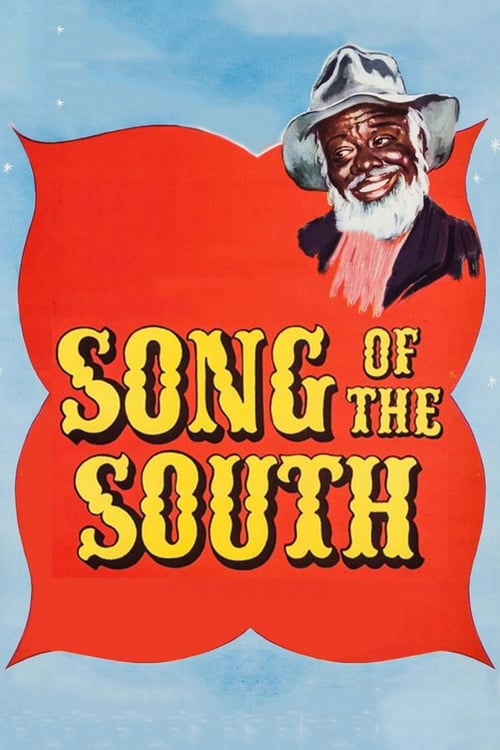
Song of the South
Uncle Remus draws upon his tales of Br'er Rabbit to help little Johnny deal with his confusion over his parents' separation as well as his new life on the plantation.
Despite its limited budget of $2.1M, Song of the South became a commercial juggernaut, earning $65.0M worldwide—a remarkable 2959% return. The film's fresh perspective engaged audiences, showing that strong storytelling can transcend budget limitations.
1 Oscar. 2 wins & 1 nomination
Plot Structure
Story beats plotted across runtime


Narrative Arc
Emotional journey through the story's key moments
Story Circle
Blueprint 15-beat structure
Arcplot Score Breakdown
Weighted: Precision (70%) + Arc (15%) + Theme (15%)
Song of the South (1946) demonstrates precise plot construction, characteristic of Harve Foster's storytelling approach. This structural analysis examines how the film's 15-point plot structure maps to proven narrative frameworks across 1 hour and 34 minutes. With an Arcplot score of 7.1, the film balances conventional beats with creative variation.
Characters
Cast & narrative archetypes

Johnny
Uncle Remus
Sally
Grandmother
Ginny
Toby
Main Cast & Characters
Johnny
Played by Bobby Driscoll
A young boy who visits his grandmother's plantation and befriends Uncle Remus, learning life lessons through folk tales.
Uncle Remus
Played by James Baskett
A kind storyteller who shares wisdom through Br'er Rabbit tales, serving as a mentor and father figure to Johnny.
Sally
Played by Ruth Warrick
Johnny's mother who brings him to the plantation during her separation from her husband.
Grandmother
Played by Lucile Watson
The matriarch of the plantation who welcomes Johnny and Sally to stay with her.
Ginny
Played by Luana Patten
A young local girl who becomes Johnny's friend and companion in his adventures.
Toby
Played by Glenn Leedy
A young boy on the plantation who befriends Johnny and joins in the adventures.
Structural Analysis
The Status Quo at 1 minutes (1% through the runtime) establishes Johnny arrives at his grandmother's plantation with his mother, excited about their visit, unaware of the family tension that awaits.. Structural examination shows that this early placement immediately immerses viewers in the story world.
The inciting incident occurs at 11 minutes when Johnny attempts to run away to find his father in Atlanta, devastated by feeling abandoned and not understanding why his family is separating.. At 12% through the film, this Disruption aligns precisely with traditional story structure. This beat shifts the emotional landscape, launching the protagonist into the central conflict.
The First Threshold at 23 minutes marks the transition into Act II, occurring at 24% of the runtime. This demonstrates the protagonist's commitment to Johnny actively chooses to stay at the plantation and embrace his new life, befriending Ginny and engaging with the community rather than running away., moving from reaction to action.
At 47 minutes, the Midpoint arrives at 50% of the runtime—precisely centered, creating perfect narrative symmetry. Notably, this crucial beat Johnny's mother forbids him from seeing Uncle Remus, viewing his influence as inappropriate. This false defeat separates Johnny from his mentor and threatens his newfound happiness., fundamentally raising what's at risk. The emotional intensity shifts, dividing the narrative into clear before-and-after phases.
The Collapse moment at 70 minutes (74% through) represents the emotional nadir. Here, Johnny is severely injured by a bull while trying to help Ginny's puppy, becoming critically ill. This near-death experience brings the family to the brink of losing him entirely., indicates the protagonist at their lowest point. This beat's placement in the final quarter sets up the climactic reversal.
The Second Threshold at 75 minutes initiates the final act resolution at 80% of the runtime. Johnny's mother begs Uncle Remus to return and help revive Johnny's spirit, acknowledging that his stories and wisdom are vital to her son's wellbeing and recovery., demonstrating the transformation achieved throughout the journey.
Emotional Journey
Song of the South's emotional architecture traces a deliberate progression across 15 carefully calibrated beats.
Narrative Framework
This structural analysis employs systematic plot point analysis that identifies crucial turning points. By mapping Song of the South against these established plot points, we can identify how Harve Foster utilizes or subverts traditional narrative conventions. The plot point approach reveals not only adherence to structural principles but also creative choices that distinguish Song of the South within the family genre.
Comparative Analysis
Additional family films include The Black Stallion, The Bad Guys and Ella Enchanted.
Plot Points by Act
Act I
SetupStatus Quo
Johnny arrives at his grandmother's plantation with his mother, excited about their visit, unaware of the family tension that awaits.
Theme
Uncle Remus tells Johnny about Br'er Rabbit and the importance of having a "laughing place" - suggesting that perspective and imagination can help navigate life's troubles.
Worldbuilding
Establishment of the plantation setting, Johnny's confusion about his father leaving, meeting Uncle Remus and the local children including Ginny and the Favers brothers. Johnny feels isolated and unwanted.
Disruption
Johnny attempts to run away to find his father in Atlanta, devastated by feeling abandoned and not understanding why his family is separating.
Resistance
Uncle Remus finds Johnny and begins mentoring him through stories of Br'er Rabbit, teaching him lessons about cleverness, resilience, and finding joy. Johnny begins to open up and find his place.
Act II
ConfrontationFirst Threshold
Johnny actively chooses to stay at the plantation and embrace his new life, befriending Ginny and engaging with the community rather than running away.
Mirror World
Johnny's growing friendship with Ginny and Toby deepens, representing a world of childhood innocence and cross-class friendship that embodies the film's themes about understanding and connection.
Premise
Johnny thrives under Uncle Remus' guidance, hearing tales of Br'er Rabbit outwitting Br'er Fox and Br'er Bear. He applies these lessons to navigate conflicts with the Favers boys and grows in confidence.
Midpoint
Johnny's mother forbids him from seeing Uncle Remus, viewing his influence as inappropriate. This false defeat separates Johnny from his mentor and threatens his newfound happiness.
Opposition
Johnny struggles without Uncle Remus' guidance. Tensions escalate with the Favers boys, and Johnny's mother remains firm. Uncle Remus, hurt by the rejection, prepares to leave the plantation.
Collapse
Johnny is severely injured by a bull while trying to help Ginny's puppy, becoming critically ill. This near-death experience brings the family to the brink of losing him entirely.
Crisis
Johnny lies unconscious while the family gathers in fear and grief. His mother realizes the cost of her stubbornness and the importance of Uncle Remus' positive influence on her son.
Act III
ResolutionSecond Threshold
Johnny's mother begs Uncle Remus to return and help revive Johnny's spirit, acknowledging that his stories and wisdom are vital to her son's wellbeing and recovery.
Synthesis
Uncle Remus returns and tells Johnny about Br'er Rabbit's laughing place. Johnny awakens and recovers. The family reconciles, with Johnny's father returning and the community coming together.
Transformation
Johnny, fully recovered and joyful, walks with Uncle Remus and his friends into the animated sunset, symbolizing his transformation from a lost, confused boy to one who has found his laughing place and family harmony.