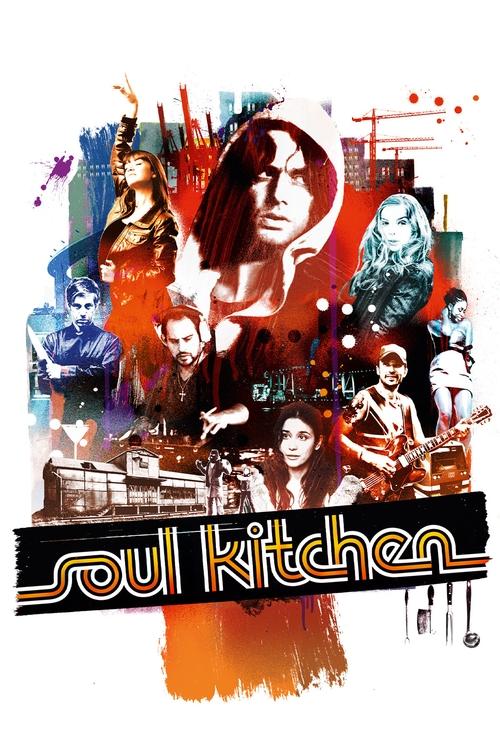
Soul Kitchen
In Hamburg, German-Greek chef Zinos unknowingly disturbs the peace in his locals-only restaurant by hiring a more talented chef.
Despite its modest budget of $4.0M, Soul Kitchen became a financial success, earning $18.2M worldwide—a 354% return. The film's compelling narrative found its audience, proving that strong storytelling can transcend budget limitations.
5 wins & 9 nominations


Plot Structure
Story beats plotted across runtime


Narrative Arc
Emotional journey through the story's key moments
Story Circle
Blueprint 15-beat structure
Arcplot Score Breakdown
Weighted: Precision (70%) + Arc (15%) + Theme (15%)
Soul Kitchen (2009) exemplifies precise plot construction, characteristic of Fatih Akin's storytelling approach. This structural analysis examines how the film's 15-point plot structure maps to proven narrative frameworks across 1 hour and 39 minutes. With an Arcplot score of 7.3, the film balances conventional beats with creative variation.
Characters
Cast & narrative archetypes

Zinos Kazantsakis
Illias Kazantsakis
Shayn Weiss
Nadine
Anna
Lutz
Main Cast & Characters
Zinos Kazantsakis
Played by Adam Bousdoukos
A Greek-German restaurant owner in Hamburg struggling to keep his business alive while dealing with back problems and his girlfriend moving to Shanghai.
Illias Kazantsakis
Played by Moritz Bleibtreu
Zinos's ex-convict brother who gets released from prison and becomes involved in managing the restaurant, bringing both chaos and unexpected help.
Shayn Weiss
Played by Birol Ünel
A temperamental but brilliant chef hired to transform Soul Kitchen's menu from comfort food to haute cuisine, creating conflict with regular customers.
Nadine
Played by Pheline Roggan
Zinos's girlfriend who moves to Shanghai for work, creating emotional strain and a long-distance relationship that becomes increasingly difficult.
Anna
Played by Anna Bederke
A new romantic interest who becomes involved with the restaurant scene and develops a relationship with Zinos.
Lutz
Played by Lucas Gregorowicz
A real estate developer who wants to purchase Soul Kitchen's property, creating business pressure and conflict.
Structural Analysis
The Status Quo at 1 minutes (1% through the runtime) establishes Zinos runs Soul Kitchen, a modest Hamburg restaurant serving cheap, unpretentious food to working-class regulars. His life is comfortable but uninspired, reflecting his resistance to change and ambition.. Significantly, this early placement immediately immerses viewers in the story world.
The inciting incident occurs at 13 minutes when Nadine leaves for Shanghai, and Zinos's back injury worsens severely, forcing him to seek medical help. These twin catastrophes disrupt his comfortable status quo and make his current approach to life unsustainable.. At 13% through the film, this Disruption is delayed, allowing extended setup of the story world. This beat shifts the emotional landscape, launching the protagonist into the central conflict.
The First Threshold at 25 minutes marks the transition into Act II, occurring at 26% of the runtime. This reveals the protagonist's commitment to Zinos makes the active choice to let Shayn transform the restaurant's menu, embracing change rather than maintaining the status quo. This decision commits him to a new business model and represents choosing growth over comfort., moving from reaction to action.
At 50 minutes, the Midpoint arrives at 50% of the runtime—precisely centered, creating perfect narrative symmetry. Significantly, this crucial beat False victory: Soul Kitchen is thriving with packed crowds and critical acclaim. Zinos receives a lucrative offer from a property developer to sell the building. Everything seems perfect, but he doesn't realize the developer's true intentions to demolish it for luxury condos. Stakes are raised as external forces threaten his success., fundamentally raising what's at risk. The emotional intensity shifts, dividing the narrative into clear before-and-after phases.
The Collapse moment at 75 minutes (76% through) represents the emotional nadir. Here, All is lost: Illias, desperate for money to cover his debts, forges Zinos's signature and sells Soul Kitchen to the developer without permission. Zinos returns from Shanghai to discover he's lost everything—the restaurant, his dream, and the community he built. The "death" of Soul Kitchen itself represents the collapse., indicates the protagonist at their lowest point. This beat's placement in the final quarter sets up the climactic reversal.
The Second Threshold at 80 minutes initiates the final act resolution at 81% of the runtime. Synthesis and revelation: Zinos discovers the sale can be contested and decides to fight back. He realizes that Soul Kitchen wasn't just a business—it was a community worth fighting for. He chooses active engagement over passive acceptance, finally committing fully to something meaningful. Anna and the restaurant staff rally to help him., demonstrating the transformation achieved throughout the journey.
Emotional Journey
Soul Kitchen's emotional architecture traces a deliberate progression across 15 carefully calibrated beats.
Narrative Framework
This structural analysis employs systematic plot point analysis that identifies crucial turning points. By mapping Soul Kitchen against these established plot points, we can identify how Fatih Akin utilizes or subverts traditional narrative conventions. The plot point approach reveals not only adherence to structural principles but also creative choices that distinguish Soul Kitchen within the drama genre.
Fatih Akin's Structural Approach
Among the 4 Fatih Akin films analyzed on Arcplot, the average structural score is 6.8, demonstrating varied approaches to story architecture. Soul Kitchen represents one of the director's most structurally precise works. For comparative analysis, explore the complete Fatih Akin filmography.
Comparative Analysis
Additional drama films include After Thomas, South Pacific and Dirty Dancing: Havana Nights. For more Fatih Akin analyses, see In the Fade, Head-On and The Edge of Heaven.
Plot Points by Act
Act I
SetupStatus Quo
Zinos runs Soul Kitchen, a modest Hamburg restaurant serving cheap, unpretentious food to working-class regulars. His life is comfortable but uninspired, reflecting his resistance to change and ambition.
Theme
Nadine, Zinos's girlfriend, tells him "You can't just coast through life" when discussing her move to Shanghai. This states the film's central question: will Zinos continue taking the easy path or commit to something meaningful?
Worldbuilding
Establishment of Zinos's world: his struggling restaurant, his relationship with Nadine who's leaving for Shanghai, his ex-con brother Illias on parole, his back injury from moving furniture, and the gentrifying Hamburg neighborhood. His refusal to upgrade the restaurant menu shows his resistance to growth.
Disruption
Nadine leaves for Shanghai, and Zinos's back injury worsens severely, forcing him to seek medical help. These twin catastrophes disrupt his comfortable status quo and make his current approach to life unsustainable.
Resistance
Zinos debates how to save the restaurant while incapacitated. He reluctantly hires temperamental chef Shayn, who wants to transform Soul Kitchen into a fine dining establishment. Zinos resists this change, debating whether to maintain his vision or adapt. He also considers following Nadine to Shanghai.
Act II
ConfrontationFirst Threshold
Zinos makes the active choice to let Shayn transform the restaurant's menu, embracing change rather than maintaining the status quo. This decision commits him to a new business model and represents choosing growth over comfort.
Mirror World
Anna, the attractive new neighbor and property consultant, enters Zinos's life. She represents the authentic connection and local commitment that contrasts with Nadine's abandonment. This relationship will teach Zinos about staying present versus chasing what's distant.
Premise
The "fun and games" of transforming Soul Kitchen into a hip cultural hotspot. The restaurant attracts a new upscale clientele, hosts live music and art events, and becomes successful. Zinos explores this new world while juggling his attraction to Anna, managing Shayn's ego, and dealing with brother Illias's schemes.
Midpoint
False victory: Soul Kitchen is thriving with packed crowds and critical acclaim. Zinos receives a lucrative offer from a property developer to sell the building. Everything seems perfect, but he doesn't realize the developer's true intentions to demolish it for luxury condos. Stakes are raised as external forces threaten his success.
Opposition
Pressure intensifies from all sides: the property developer pushes harder to acquire the building; Illias's parole violations and gambling debts create legal problems; Shayn threatens to leave; Zinos's relationship with Anna becomes complicated; old regulars feel alienated; and his trip to Shanghai to win back Nadine fails as she's moved on. His flaws—indecisiveness and conflict avoidance—catch up with him.
Collapse
All is lost: Illias, desperate for money to cover his debts, forges Zinos's signature and sells Soul Kitchen to the developer without permission. Zinos returns from Shanghai to discover he's lost everything—the restaurant, his dream, and the community he built. The "death" of Soul Kitchen itself represents the collapse.
Crisis
Dark night of the soul: Zinos confronts Illias and processes the betrayal. He wallows in despair, believing he's lost his purpose. The restaurant community scatters. He must face that his passivity and inability to commit—to the restaurant, to Hamburg, to Anna—enabled this disaster.
Act III
ResolutionSecond Threshold
Synthesis and revelation: Zinos discovers the sale can be contested and decides to fight back. He realizes that Soul Kitchen wasn't just a business—it was a community worth fighting for. He chooses active engagement over passive acceptance, finally committing fully to something meaningful. Anna and the restaurant staff rally to help him.
Synthesis
The finale: Zinos organizes a massive final party at Soul Kitchen to raise awareness and funds, bringing together the old regulars and new clientele. He actively pursues Anna, reconciles with Illias on new terms, and fights the legal battle. The community unites behind him, demonstrating what the restaurant truly meant. The finale resolves both external conflict (saving the space) and internal growth (Zinos committing to authentic connection).
Transformation
Closing image: Zinos celebrates with his community at Soul Kitchen, now transformed from a passive, conflict-avoiding loner into an engaged community builder. He's chosen Hamburg over Shanghai, Anna over Nadine, commitment over convenience. The restaurant survives, but more importantly, Zinos has found home by embracing authentic connection and cultural identity.