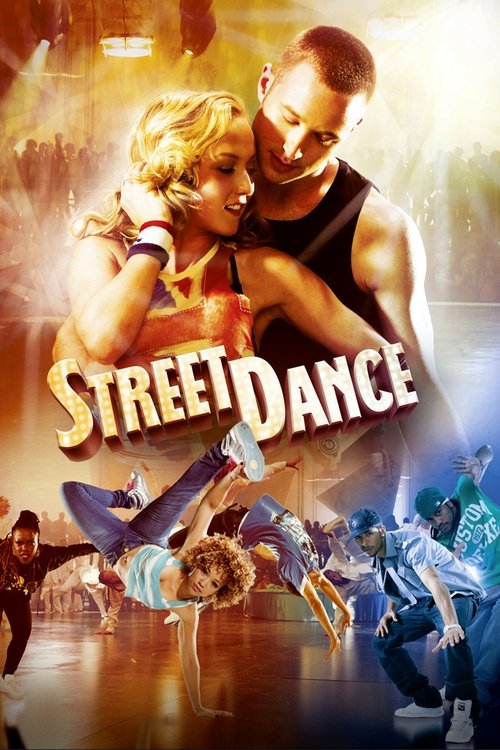
StreetDance 3D
In order to win the Street Dance Championships, a dance crew is forced to work with ballet dancers from the Royal Dance School in exchange for rehearsal space.
Despite its modest budget of $5.8M, StreetDance 3D became a financial success, earning $18.1M worldwide—a 214% return. The film's unconventional structure engaged audiences, confirming that strong storytelling can transcend budget limitations.


Plot Structure
Story beats plotted across runtime


Narrative Arc
Emotional journey through the story's key moments
Story Circle
Blueprint 15-beat structure
Arcplot Score Breakdown
Weighted: Precision (70%) + Arc (15%) + Theme (15%)
StreetDance 3D (2010) reveals meticulously timed narrative architecture, characteristic of Max Giwa's storytelling approach. This structural analysis examines how the film's 15-point plot structure maps to proven narrative frameworks across 1 hour and 38 minutes. With an Arcplot score of 7.0, the film balances conventional beats with creative variation.
Characters
Cast & narrative archetypes

Carly
Tomas
Jay
Helena
Eddie
Shawna
Breeze
Main Cast & Characters
Carly
Played by Nichola Burley
Street dancer and leader of her crew who must find a new direction after losing their rehearsal space.
Tomas
Played by Richard Winsor
Ballet dancer who helps Carly's crew by offering rehearsal space in exchange for joining his ballet performance.
Jay
Played by Ukweli Roach
Carly's ex-boyfriend and former crew member who betrayed the team.
Helena
Played by Charlotte Rampling
Prima ballerina who is initially dismissive of street dance but becomes more open-minded.
Eddie
Played by George Sampson
Member of Carly's street dance crew, loyal and supportive friend.
Shawna
Played by Diversity
Member of Carly's crew, strong dancer with attitude and loyalty.
Breeze
Played by Flawless
Member of Carly's crew, energetic and skilled street dancer.
Structural Analysis
The Status Quo at 1 minutes (1% through the runtime) establishes Carly and her street dance crew Jay perform energetically in an underground venue, establishing their tight-knit group dynamic and passion for street dance.. Structural examination shows that this early placement immediately immerses viewers in the story world.
The inciting incident occurs at 12 minutes when Carly discovers Jay cheating on her with another crew member. Jay leaves and takes most of the crew with him, leaving Carly devastated and without enough dancers for the competition.. At 13% through the film, this Disruption is delayed, allowing extended setup of the story world. This beat shifts the emotional landscape, launching the protagonist into the central conflict.
The First Threshold at 24 minutes marks the transition into Act II, occurring at 25% of the runtime. This reveals the protagonist's commitment to Carly accepts an offer to use a ballet school's studio in exchange for including ballet dancers in her street dance crew, entering a world that seems incompatible with street culture., moving from reaction to action.
At 49 minutes, the Midpoint arrives at 50% of the runtime—precisely centered, creating perfect narrative symmetry. Significantly, this crucial beat The crew successfully performs a fusion routine that works, proving that street and ballet can merge. They gain confidence and Carly's relationship with Tomas deepens - a false victory., fundamentally raising what's at risk. The emotional intensity shifts, dividing the narrative into clear before-and-after phases.
The Collapse moment at 73 minutes (75% through) represents the emotional nadir. Here, The crew falls apart when street dancers walk out, feeling betrayed that Carly has abandoned their roots. Carly is left alone, having lost both crews and potentially her chance at the championship., shows the protagonist at their lowest point. This beat's placement in the final quarter sets up the climactic reversal.
The Second Threshold at 78 minutes initiates the final act resolution at 80% of the runtime. Carly realizes the answer isn't choosing one style over the other, but honoring both equally. She reunites the crew with a new vision that respects street dance's authenticity while embracing ballet's artistry., demonstrating the transformation achieved throughout the journey.
Emotional Journey
StreetDance 3D's emotional architecture traces a deliberate progression across 15 carefully calibrated beats.
Narrative Framework
This structural analysis employs a 15-point narrative structure framework that maps key story moments. By mapping StreetDance 3D against these established plot points, we can identify how Max Giwa utilizes or subverts traditional narrative conventions. The plot point approach reveals not only adherence to structural principles but also creative choices that distinguish StreetDance 3D within the music genre.
Comparative Analysis
Additional music films include South Pacific, Dirty Dancing: Havana Nights and Yesterday.
Plot Points by Act
Act I
SetupStatus Quo
Carly and her street dance crew Jay perform energetically in an underground venue, establishing their tight-knit group dynamic and passion for street dance.
Theme
A crew member mentions that dance is about expressing yourself and staying true to who you are, hinting at the coming conflict between authenticity and compromise.
Worldbuilding
Carly's crew prepares for the UK Street Dance Championships. We see their rehearsal space, their dedication, and the romantic relationship between Carly and Jay, who is the crew's leader.
Disruption
Carly discovers Jay cheating on her with another crew member. Jay leaves and takes most of the crew with him, leaving Carly devastated and without enough dancers for the competition.
Resistance
Carly struggles to find new dancers and a rehearsal space. Her friend Tomas suggests unconventional solutions. She desperately auditions dancers but they're not good enough.
Act II
ConfrontationFirst Threshold
Carly accepts an offer to use a ballet school's studio in exchange for including ballet dancers in her street dance crew, entering a world that seems incompatible with street culture.
Mirror World
Carly meets Tomas and Helena, the ballet instructor, who represents discipline and classical tradition. Ballet dancer Tomas becomes a romantic interest who will teach Carly about blending different worlds.
Premise
The fun of watching street dancers and ballet dancers clash, then gradually learn from each other. Carly choreographs fusion routines while romance develops between her and Tomas.
Midpoint
The crew successfully performs a fusion routine that works, proving that street and ballet can merge. They gain confidence and Carly's relationship with Tomas deepens - a false victory.
Opposition
Tensions rise as the competition approaches. Jay's crew taunts them. Carly's original street crew members feel the routine is becoming too ballet-focused and losing its street authenticity.
Collapse
The crew falls apart when street dancers walk out, feeling betrayed that Carly has abandoned their roots. Carly is left alone, having lost both crews and potentially her chance at the championship.
Crisis
Carly questions everything - whether she's been true to herself, whether fusion was a mistake, whether she's lost her identity trying to blend two worlds that don't mix.
Act III
ResolutionSecond Threshold
Carly realizes the answer isn't choosing one style over the other, but honoring both equally. She reunites the crew with a new vision that respects street dance's authenticity while embracing ballet's artistry.
Synthesis
The crew performs at the UK Championships with a routine that seamlessly blends street and ballet, each style elevated by the other. They face Jay's crew in the final showdown.
Transformation
Carly and her fusion crew win the championship. She's no longer defined by Jay or by rigid categories, but by her ability to bridge worlds while staying true to herself.