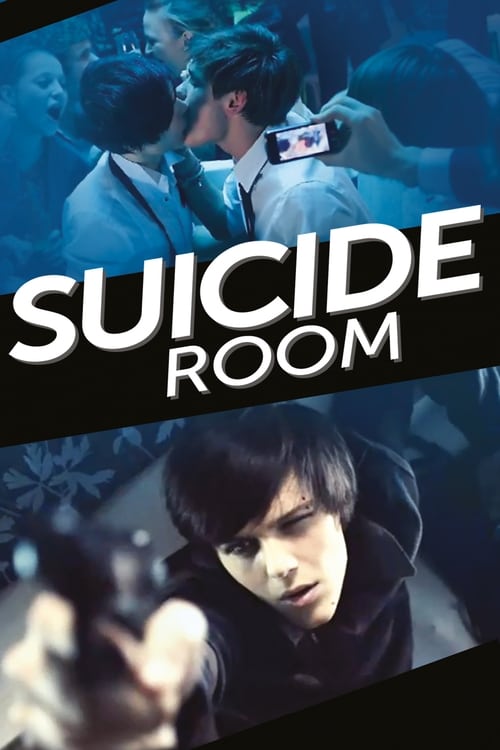
Suicide Room
Moody, dark and handsome Dominik is tormented by his classmates after video footage of his drunken kiss with bully Alex is spread across the Internet. Grappling with the public humiliation Dominik seeks solace in an avatar based “suicide room” where the pink-haired rebel Sylvia consoles him.
Despite its tight budget of $1.4M, Suicide Room became a box office success, earning $4.9M worldwide—a 248% return. The film's compelling narrative connected with viewers, confirming that strong storytelling can transcend budget limitations.

Plot Structure
Story beats plotted across runtime


Narrative Arc
Emotional journey through the story's key moments
Story Circle
Blueprint 15-beat structure
Arcplot Score Breakdown
Weighted: Precision (70%) + Arc (15%) + Theme (15%)
Suicide Room (2011) exemplifies strategically placed narrative design, characteristic of Jan Komasa's storytelling approach. This structural analysis examines how the film's 15-point plot structure maps to proven narrative frameworks across 1 hour and 56 minutes. With an Arcplot score of 6.8, the film balances conventional beats with creative variation.
Characters
Cast & narrative archetypes

Dominik Santorski
Sylwia
Aleksander Santorski
Sylwester
Aleksa
Aniela
Main Cast & Characters
Dominik Santorski
Played by Jakub Gierszał
A privileged Warsaw teenager who retreats into a virtual reality world after public humiliation and sexual confusion lead to isolation and depression.
Sylwia
Played by Agata Kulesza
Dominik's wealthy, status-conscious mother who fails to recognize her son's deteriorating mental state.
Aleksander Santorski
Played by Krzysztof Pieczyński
Dominik's demanding father, a successful businessman who pushes his son toward achievement and traditional masculinity.
Sylwester
Played by Bartosz Gelner
Dominik's former best friend whose drunken kiss with Dominik becomes viral and triggers Dominik's social downfall.
Aleksa
Played by Roma Gąsiorowska
The enigmatic queen of the online Suicide Room, a virtual space where depressed youth gather; she becomes Dominik's dark guide.
Aniela
Played by Kinga Preis
Dominik's girlfriend who tries to maintain their relationship but cannot reach him through his emotional walls.
Structural Analysis
The Status Quo at 1 minutes (1% through the runtime) establishes Dominik appears to have everything: wealthy parents, popularity at his elite school, a girlfriend. He's shown as confident and privileged in his upper-class Warsaw world.. Structural examination shows that this early placement immediately immerses viewers in the story world.
The inciting incident occurs at 13 minutes when At a party, Dominik is dared to kiss another boy. The kiss is filmed and posted online, leading to viral humiliation. His carefully constructed social identity begins to crumble as he becomes the subject of ridicule and homophobic bullying.. At 11% through the film, this Disruption aligns precisely with traditional story structure. This beat shifts the emotional landscape, launching the protagonist into the central conflict.
The First Threshold at 28 minutes marks the transition into Act II, occurring at 24% of the runtime. This illustrates the protagonist's commitment to Dominik makes the active choice to retreat from reality. He discovers the "Suicide Room," a virtual chatroom/online community, and decides to withdraw from the physical world, locking himself in his bedroom and living primarily online., moving from reaction to action.
At 57 minutes, the Midpoint arrives at 50% of the runtime—precisely centered, creating perfect narrative symmetry. Of particular interest, this crucial beat False victory turned false defeat: Dominik believes he's found authentic connection with Sylwia and the online community, but this "victory" is actually his deeper descent. He fully commits to the Suicide Room's ideology, raising the stakes of his isolation., fundamentally raising what's at risk. The emotional intensity shifts, dividing the narrative into clear before-and-after phases.
The Collapse moment at 87 minutes (75% through) represents the emotional nadir. Here, Dominik discovers that Sylwia may not be who she claims to be, potentially just another damaged person or even a fabrication. The "authentic" connection he found online is revealed as another illusion. His last refuge of meaning collapses. Whiff of death: the death of hope itself., illustrates the protagonist at their lowest point. This beat's placement in the final quarter sets up the climactic reversal.
The Second Threshold at 94 minutes initiates the final act resolution at 81% of the runtime. Rather than synthesis and realization, Dominik reaches a tragic "clarity": he chooses death as the only escape. This is a corrupted Second Threshold - the information doesn't save him, it seals his fate. He prepares for suicide., demonstrating the transformation achieved throughout the journey.
Emotional Journey
Suicide Room's emotional architecture traces a deliberate progression across 15 carefully calibrated beats.
Narrative Framework
This structural analysis employs structural analysis methodology used to understand storytelling architecture. By mapping Suicide Room against these established plot points, we can identify how Jan Komasa utilizes or subverts traditional narrative conventions. The plot point approach reveals not only adherence to structural principles but also creative choices that distinguish Suicide Room within the drama genre.
Jan Komasa's Structural Approach
Among the 2 Jan Komasa films analyzed on Arcplot, the average structural score is 7.1, reflecting strong command of classical structure. Suicide Room takes a more unconventional approach compared to the director's typical style. For comparative analysis, explore the complete Jan Komasa filmography.
Comparative Analysis
Additional drama films include After Thomas, South Pacific and Dirty Dancing: Havana Nights. For more Jan Komasa analyses, see Corpus Christi.
Plot Points by Act
Act I
SetupStatus Quo
Dominik appears to have everything: wealthy parents, popularity at his elite school, a girlfriend. He's shown as confident and privileged in his upper-class Warsaw world.
Theme
A conversation about authenticity versus performance, reality versus digital life. Someone mentions how people create false versions of themselves online, foreshadowing Dominik's retreat into virtual reality.
Worldbuilding
Establishment of Dominik's privileged but emotionally hollow world: demanding parents focused on status, superficial friendships, performative romance with Aleksandra, and the pressure to maintain appearances in Warsaw's elite society.
Disruption
At a party, Dominik is dared to kiss another boy. The kiss is filmed and posted online, leading to viral humiliation. His carefully constructed social identity begins to crumble as he becomes the subject of ridicule and homophobic bullying.
Resistance
Dominik struggles with the aftermath: social ostracism at school, Aleksandra breaks up with him, his parents are embarrassed and unable to provide emotional support. He debates how to respond, attempts to fight back, but finds no refuge in the real world.
Act II
ConfrontationFirst Threshold
Dominik makes the active choice to retreat from reality. He discovers the "Suicide Room," a virtual chatroom/online community, and decides to withdraw from the physical world, locking himself in his bedroom and living primarily online.
Mirror World
Introduction to Sylwia, the mysterious avatar who dominates the Suicide Room. She becomes Dominik's guide in this virtual world, embodying the film's theme about the seduction of escapism and the danger of rejecting authentic human connection.
Premise
Dominik explores the "promise of the premise" - living entirely in the virtual Suicide Room. He deepens his relationship with Sylwia, adopts nihilistic philosophies, and increasingly rejects the real world. His parents try interventions but fail to reach him.
Midpoint
False victory turned false defeat: Dominik believes he's found authentic connection with Sylwia and the online community, but this "victory" is actually his deeper descent. He fully commits to the Suicide Room's ideology, raising the stakes of his isolation.
Opposition
Reality fights back: parents become desperate, attempting forced interventions. Dominik's physical and mental health deteriorates. The Suicide Room's influence intensifies. Sylwia pushes him toward darker thoughts, while his grip on reality weakens further.
Collapse
Dominik discovers that Sylwia may not be who she claims to be, potentially just another damaged person or even a fabrication. The "authentic" connection he found online is revealed as another illusion. His last refuge of meaning collapses. Whiff of death: the death of hope itself.
Crisis
Dark night of the soul. Dominik processes the complete betrayal and emptiness. He has rejected the real world and now the virtual world has also proven hollow. He sits in absolute darkness, both literal and metaphorical, contemplating final escape.
Act III
ResolutionSecond Threshold
Rather than synthesis and realization, Dominik reaches a tragic "clarity": he chooses death as the only escape. This is a corrupted Second Threshold - the information doesn't save him, it seals his fate. He prepares for suicide.
Synthesis
The tragic finale: Dominik executes his plan. His parents discover too late what has happened. The film presents the devastating consequences of emotional isolation, the failure of those around him to provide genuine connection, and the completion of his negative arc.
Transformation
The closing image mirrors the opening but shows complete transformation into tragedy. The privileged world continues without Dominik. His empty bedroom, his parents' grief, and the cold continuation of the virtual Suicide Room - a negative transformation complete.