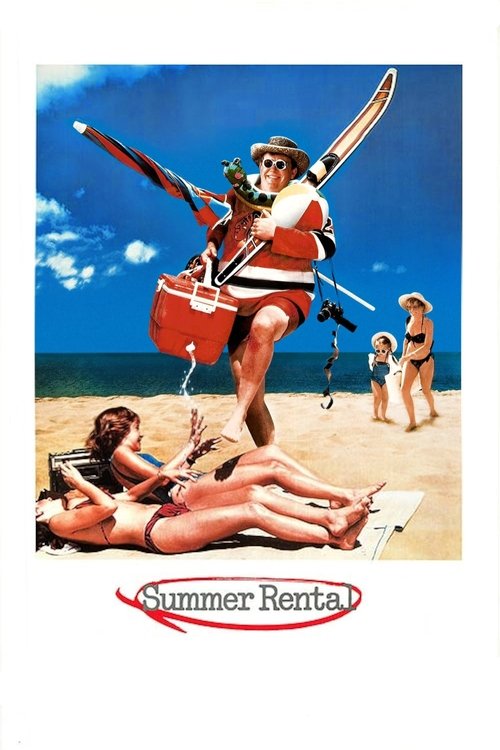
Summer Rental
Jack Chester, an overworked air traffic controller, takes his family on vacation to the beach. Things immediately start to go wrong for the Chesters, and steadily get worse. Jack ends up in a feud with a local yachtsman, and has to race him to regain his pride and family's respect.
The film earned $24.7M at the global box office.


Plot Structure
Story beats plotted across runtime


Narrative Arc
Emotional journey through the story's key moments
Story Circle
Blueprint 15-beat structure
Arcplot Score Breakdown
Weighted: Precision (70%) + Arc (15%) + Theme (15%)
Summer Rental (1985) reveals carefully calibrated narrative architecture, characteristic of Carl Reiner's storytelling approach. This structural analysis examines how the film's 15-point plot structure maps to proven narrative frameworks across 1 hour and 27 minutes. With an Arcplot score of 6.9, the film balances conventional beats with creative variation.
Characters
Cast & narrative archetypes

Jack Chester
Sandy Chester
Al Pellet
Scully
Laurie Chester
Bobby Chester
Jennifer Chester
Main Cast & Characters
Jack Chester
Played by John Candy
Burned-out air traffic controller who takes his family on a disastrous beach vacation to reconnect and relax.
Sandy Chester
Played by Karen Austin
Jack's supportive wife who tries to keep the family together during their chaotic vacation.
Al Pellet
Played by Rip Torn
Arrogant wealthy restaurant owner and sailing champion who becomes Jack's rival and antagonist.
Scully
Played by Richard Crenna
Grizzled, cynical boat captain who becomes Jack's mentor and sailing partner.
Laurie Chester
Played by Kerri Green
Jack and Sandy's teenage daughter navigating adolescence and family dynamics on vacation.
Bobby Chester
Played by Joey Lawrence
Jack and Sandy's young son who gets into mischief during the family vacation.
Jennifer Chester
Played by Aubrey Jene
Jack and Sandy's youngest daughter, part of the family chaos.
Structural Analysis
The Status Quo at 1 minutes (1% through the runtime) establishes Jack Chester is an overworked, stressed-out air traffic controller who makes a critical error at work, nearly causing a disaster. His life is defined by pressure, exhaustion, and diminishing connection with his family.. Notably, this early placement immediately immerses viewers in the story world.
The inciting incident occurs at 11 minutes when Jack is suspended from work for his error and essentially forced to take a vacation. What should be a relief becomes an obligation - he must rent a beach house in Florida for his family, whether he wants to or not.. At 12% through the film, this Disruption aligns precisely with traditional story structure. This beat shifts the emotional landscape, launching the protagonist into the central conflict.
The First Threshold at 21 minutes marks the transition into Act II, occurring at 24% of the runtime. This illustrates the protagonist's commitment to The Chester family settles into their beach house and Jack makes the choice to commit to the vacation. He decides to try to make this work for his family, stepping fully into the "summer rental" world., moving from reaction to action.
At 44 minutes, the Midpoint arrives at 51% of the runtime—precisely centered, creating perfect narrative symmetry. Of particular interest, this crucial beat Jack is challenged to a sailing regatta by the arrogant Scully. He accepts, raising the stakes. What was a simple vacation now has a goal and competition. Jack appears confident, but this false victory will complicate everything., fundamentally raising what's at risk. The emotional intensity shifts, dividing the narrative into clear before-and-after phases.
The Collapse moment at 65 minutes (75% through) represents the emotional nadir. Here, During the regatta, everything falls apart. Jack's boat is sabotaged or damaged, his crew abandons him, or he faces humiliating defeat. His dream of triumph dies, and he's left feeling like a failure once again. Rock bottom., demonstrates the protagonist at their lowest point. This beat's placement in the final quarter sets up the climactic reversal.
The Second Threshold at 69 minutes initiates the final act resolution at 79% of the runtime. Jack has a realization: it's not about beating Scully, it's about showing up for his family and doing his best. Armed with new perspective from his mirror-world friends and family, he decides to finish the race for the right reasons., demonstrating the transformation achieved throughout the journey.
Emotional Journey
Summer Rental's emotional architecture traces a deliberate progression across 15 carefully calibrated beats.
Narrative Framework
This structural analysis employs proven narrative structure principles that track dramatic progression. By mapping Summer Rental against these established plot points, we can identify how Carl Reiner utilizes or subverts traditional narrative conventions. The plot point approach reveals not only adherence to structural principles but also creative choices that distinguish Summer Rental within the comedy genre.
Carl Reiner's Structural Approach
Among the 5 Carl Reiner films analyzed on Arcplot, the average structural score is 7.2, reflecting strong command of classical structure. Summer Rental takes a more unconventional approach compared to the director's typical style. For comparative analysis, explore the complete Carl Reiner filmography.
Comparative Analysis
Additional comedy films include The Bad Guys, Ella Enchanted and The Evening Star. For more Carl Reiner analyses, see All of Me, Dead Men Don't Wear Plaid and Oh, God!.
Plot Points by Act
Act I
SetupStatus Quo
Jack Chester is an overworked, stressed-out air traffic controller who makes a critical error at work, nearly causing a disaster. His life is defined by pressure, exhaustion, and diminishing connection with his family.
Theme
Jack's boss or colleague suggests he needs a real vacation to "remember what's important" - hinting at the film's theme about work-life balance, family connection, and rediscovering joy.
Worldbuilding
Establishment of Jack's fractured home life: tense relationship with wife Sandy, disconnected from his kids, domineering mother-in-law. The family is falling apart under the weight of Jack's career stress. We see his world of chaos and exhaustion.
Disruption
Jack is suspended from work for his error and essentially forced to take a vacation. What should be a relief becomes an obligation - he must rent a beach house in Florida for his family, whether he wants to or not.
Resistance
The family reluctantly prepares for and travels to Florida. Jack resists relaxing, carrying his stress with him. Everything goes wrong: bad rental car, wrong house initially, clash with arrogant sailor Scully. Jack debates whether he can actually let go.
Act II
ConfrontationFirst Threshold
The Chester family settles into their beach house and Jack makes the choice to commit to the vacation. He decides to try to make this work for his family, stepping fully into the "summer rental" world.
Mirror World
Jack meets Scully's restaurant employee and other locals who represent a different way of life - laid-back, fun-loving beach culture. He also bonds with eccentric sailor/drifter characters who will teach him about what really matters beyond work.
Premise
The "fun and games" of vacation: Jack attempts to relax, family beach activities, comic mishaps with sunburn and beach culture. Jack learns to sail, bonds with his kids, reconnects with Sandy. The promise of a family vacation comedy delivers laughs and heart.
Midpoint
Jack is challenged to a sailing regatta by the arrogant Scully. He accepts, raising the stakes. What was a simple vacation now has a goal and competition. Jack appears confident, but this false victory will complicate everything.
Opposition
Training for the race becomes all-consuming. Jack's competitive obsession (his old flaw) resurfaces. Scully sabotages and intimidates. Family tensions return as Jack prioritizes winning over connection. The antagonist closes in and Jack's flaws undermine his progress.
Collapse
During the regatta, everything falls apart. Jack's boat is sabotaged or damaged, his crew abandons him, or he faces humiliating defeat. His dream of triumph dies, and he's left feeling like a failure once again. Rock bottom.
Crisis
Jack sits in darkness (literally or figuratively), processing his failure. He confronts the reality that he's repeated his old patterns - obsessing over winning instead of being present. His family is disappointed. He must decide who he wants to be.
Act III
ResolutionSecond Threshold
Jack has a realization: it's not about beating Scully, it's about showing up for his family and doing his best. Armed with new perspective from his mirror-world friends and family, he decides to finish the race for the right reasons.
Synthesis
The finale race: Jack combines his old skills (determination, focus) with his new wisdom (teamwork, joy, perspective). With his family and friends crewing, they sail together. He outsmarts Scully not through sabotage but through heart and ingenuity. Victory or noble defeat - either way, he wins what matters.
Transformation
Final image: Jack with his family, laughing and connected, heading home from vacation. Transformed from stressed-out workaholic to present father and husband. The image mirrors the opening but shows a man who has remembered what's important.