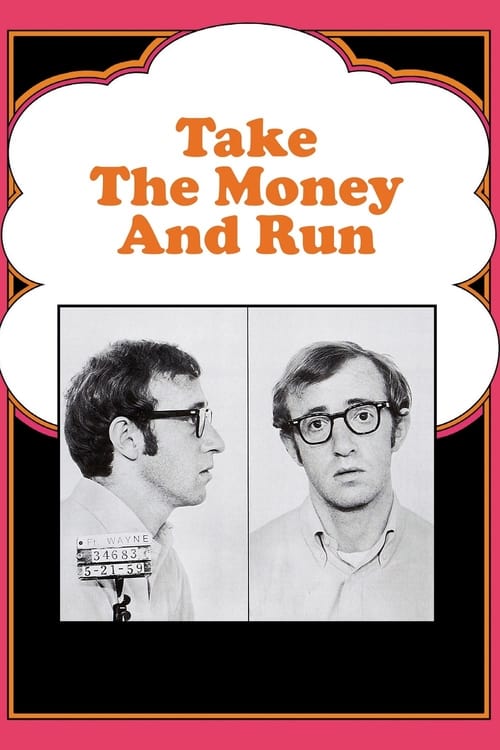
Take the Money and Run
Virgil Starkwell is intent on becoming a notorious bank robber. Unfortunately for Virgil and his not-so-budding career, he is completely incompetent.
Despite its tight budget of $1.5M, Take the Money and Run became a solid performer, earning $6.1M worldwide—a 297% return. The film's compelling narrative attracted moviegoers, confirming that strong storytelling can transcend budget limitations.
3 nominations
Plot Structure
Story beats plotted across runtime


Narrative Arc
Emotional journey through the story's key moments
Story Circle
Blueprint 15-beat structure
Arcplot Score Breakdown
Weighted: Precision (70%) + Arc (15%) + Theme (15%)
Take the Money and Run (1969) reveals deliberately positioned dramatic framework, characteristic of Woody Allen's storytelling approach. This structural analysis examines how the film's 15-point plot structure maps to proven narrative frameworks across 1 hour and 25 minutes. With an Arcplot score of 6.9, the film balances conventional beats with creative variation.
Characters
Cast & narrative archetypes

Virgil Starkwell
Louise
Main Cast & Characters
Virgil Starkwell
Played by Woody Allen
An incompetent bank robber whose criminal career is documented mockumentary-style. Hapless, neurotic, and perpetually unsuccessful despite grand ambitions.
Louise
Played by Janet Margolin
Virgil's devoted wife who stands by him despite his criminal failures. She represents normalcy and unconditional love in his chaotic life.
Structural Analysis
The Status Quo at 1 minutes (1% through the runtime) establishes Documentary narrator introduces Virgil Starkwell as a notorious criminal and lifelong failure, establishing the mockumentary format and Virgil's hapless ordinary world of incompetent crime.. The analysis reveals that this early placement immediately immerses viewers in the story world.
The inciting incident occurs at 11 minutes when Virgil's first major bank robbery goes disastrously wrong when the teller can't read his handwriting on the holdup note, leading to public humiliation and arrest. His inadequacy as a criminal is fully exposed.. At 12% through the film, this Disruption aligns precisely with traditional story structure. This beat shifts the emotional landscape, launching the protagonist into the central conflict.
The First Threshold at 21 minutes marks the transition into Act II, occurring at 25% of the runtime. This reveals the protagonist's commitment to Virgil successfully escapes from prison and actively chooses to continue his life of crime, but this time with a new motivation: he meets Louise during a robbery attempt and pursues a relationship with her., moving from reaction to action.
At 43 minutes, the Midpoint arrives at 50% of the runtime—precisely centered, creating perfect narrative symmetry. Significantly, this crucial beat Virgil becomes Public Enemy #1 and makes the FBI's Most Wanted list—seemingly a success—but this false victory brings increased law enforcement pressure and endangers his relationship with Louise and their attempt at normal life., fundamentally raising what's at risk. The emotional intensity shifts, dividing the narrative into clear before-and-after phases.
The Collapse moment at 63 minutes (75% through) represents the emotional nadir. Here, Virgil is finally captured by police during another failed robbery attempt. Separated from Louise and facing life imprisonment, his dream of being a successful criminal and maintaining his relationship dies. He is utterly defeated., shows the protagonist at their lowest point. This beat's placement in the final quarter sets up the climactic reversal.
The Second Threshold at 68 minutes initiates the final act resolution at 80% of the runtime. Louise remains loyal and visits Virgil in prison with an escape plan. Her unwavering love despite all his failures gives Virgil new resolve. He realizes what truly matters and commits to one final escape—not for crime, but for love., demonstrating the transformation achieved throughout the journey.
Emotional Journey
Take the Money and Run's emotional architecture traces a deliberate progression across 15 carefully calibrated beats.
Narrative Framework
This structural analysis employs structural analysis methodology used to understand storytelling architecture. By mapping Take the Money and Run against these established plot points, we can identify how Woody Allen utilizes or subverts traditional narrative conventions. The plot point approach reveals not only adherence to structural principles but also creative choices that distinguish Take the Money and Run within the comedy genre.
Woody Allen's Structural Approach
Among the 42 Woody Allen films analyzed on Arcplot, the average structural score is 7.0, demonstrating varied approaches to story architecture. Take the Money and Run takes a more unconventional approach compared to the director's typical style. For comparative analysis, explore the complete Woody Allen filmography.
Comparative Analysis
Additional comedy films include The Bad Guys, Ella Enchanted and The Evening Star. For more Woody Allen analyses, see Everyone Says I Love You, Celebrity and Interiors.
Plot Points by Act
Act I
SetupStatus Quo
Documentary narrator introduces Virgil Starkwell as a notorious criminal and lifelong failure, establishing the mockumentary format and Virgil's hapless ordinary world of incompetent crime.
Theme
Virgil's parents (in disguise) express shame about their son's criminal path, stating the film's theme: the futility of pursuing a life one is fundamentally unsuited for, and the human need for acceptance.
Worldbuilding
Documentary traces Virgil's childhood bullying, failed cello career, and early petty crimes. Establishes his pattern of incompetence, desperate need for respect, and the world of bumbling criminality he inhabits.
Disruption
Virgil's first major bank robbery goes disastrously wrong when the teller can't read his handwriting on the holdup note, leading to public humiliation and arrest. His inadequacy as a criminal is fully exposed.
Resistance
Virgil serves time in prison, endures chain gang labor, attempts various escapes (including carving a gun from soap that dissolves in rain), and debates whether to continue his criminal life despite constant failure.
Act II
ConfrontationFirst Threshold
Virgil successfully escapes from prison and actively chooses to continue his life of crime, but this time with a new motivation: he meets Louise during a robbery attempt and pursues a relationship with her.
Mirror World
Louise, a kind and accepting woman, becomes romantically involved with Virgil. She represents normalcy and unconditional love, offering him what he's always craved: acceptance despite his failures. She is interviewed praising his sensitivity.
Premise
The "fun and games" of Virgil's criminal career: botched heists, failed bank robberies, comic incompetence at every turn. Louise stands by him, they marry, and attempt domestic life between his criminal attempts.
Midpoint
Virgil becomes Public Enemy #1 and makes the FBI's Most Wanted list—seemingly a success—but this false victory brings increased law enforcement pressure and endangers his relationship with Louise and their attempt at normal life.
Opposition
The FBI intensifies pursuit of Virgil. His crimes become more desperate and his failures more catastrophic. The pressure on his marriage increases as Louise realizes the impossibility of their situation. His incompetence catches up with him.
Collapse
Virgil is finally captured by police during another failed robbery attempt. Separated from Louise and facing life imprisonment, his dream of being a successful criminal and maintaining his relationship dies. He is utterly defeated.
Crisis
Virgil is imprisoned in maximum security. Interviews reveal his despair and Louise's anguish. The dark reality of his situation sinks in: his incompetence has cost him everything he truly wanted—freedom and love.
Act III
ResolutionSecond Threshold
Louise remains loyal and visits Virgil in prison with an escape plan. Her unwavering love despite all his failures gives Virgil new resolve. He realizes what truly matters and commits to one final escape—not for crime, but for love.
Synthesis
Virgil and Louise execute a characteristically clumsy prison break using a fake gun. They flee together, synthesizing Virgil's criminal skills (such as they are) with Louise's devotion, choosing love and companionship over success or respectability.
Transformation
Final image mirrors the opening: Virgil remains an incompetent criminal, still on the run, still failing. But the transformation is internal—he has Louise's acceptance and love, which was what he truly needed all along. He's still a failure, but no longer alone.