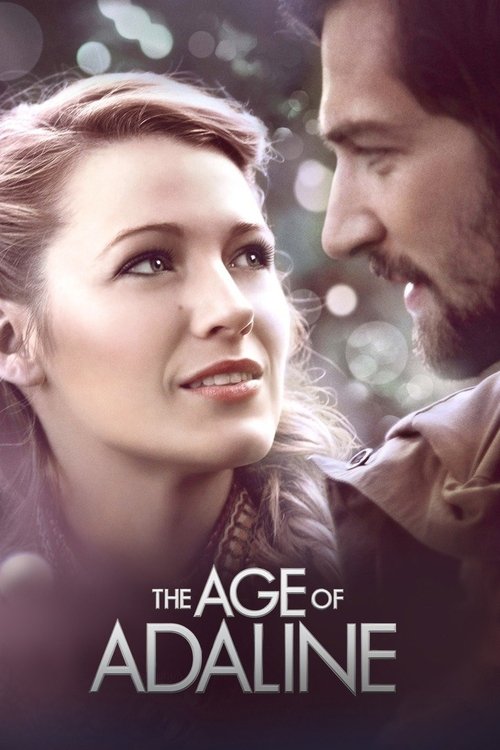
The Age of Adaline
After 29-year-old Adaline recovers from a nearly lethal accident, she inexplicably stops growing older. As the years stretch on and on, Adaline keeps her secret to herself until she meets a man who changes her life.
Despite a mid-range budget of $25.0M, The Age of Adaline became a financial success, earning $65.7M worldwide—a 163% return.
1 win & 10 nominations


Plot Structure
Story beats plotted across runtime


Narrative Arc
Emotional journey through the story's key moments
Story Circle
Blueprint 15-beat structure
Arcplot Score Breakdown
Weighted: Precision (70%) + Arc (15%) + Theme (15%)
The Age of Adaline (2015) showcases precise plot construction, characteristic of Lee Toland Krieger's storytelling approach. This structural analysis examines how the film's 15-point plot structure maps to proven narrative frameworks across 1 hour and 52 minutes. With an Arcplot score of 6.3, the film takes an unconventional approach to traditional narrative frameworks.
Characters
Cast & narrative archetypes

Adaline Bowman
Ellis Jones
William Jones
Flemming Prescott
Kathy Jones
Main Cast & Characters
Adaline Bowman
Played by Blake Lively
A woman who stops aging after a freak accident in 1937, living in emotional isolation for decades to protect her secret.
Ellis Jones
Played by Michiel Huisman
A philanthropist and tech entrepreneur who falls in love with Adaline and challenges her self-imposed isolation.
William Jones
Played by Harrison Ford
Ellis's father, a former astronomer who had a passionate romance with Adaline decades earlier.
Flemming Prescott
Played by Ellen Burstyn
Adaline's elderly daughter who appears older than her mother due to Adaline's ageless condition.
Kathy Jones
Played by Kathy Baker
William's wife and Ellis's mother, who unknowingly hosts her husband's former lover.
Structural Analysis
The Status Quo at 2 minutes (2% through the runtime) establishes Adaline Bowman lives a carefully controlled, isolated life in present-day San Francisco, never aging beyond 29, constantly changing identities to avoid detection, keeping emotional distance from everyone except her elderly daughter Fleming.. Structural examination shows that this early placement immediately immerses viewers in the story world.
The inciting incident occurs at 13 minutes when At a New Year's Eve party, Adaline meets Ellis Jones, a charming philanthropist who is immediately smitten with her. Despite her instinct to flee, she feels an unexpected connection, and he pursues her with genuine interest that breaks through her defenses.. At 12% through the film, this Disruption aligns precisely with traditional story structure. This beat shifts the emotional landscape, launching the protagonist into the central conflict.
The First Threshold at 28 minutes marks the transition into Act II, occurring at 25% of the runtime. This illustrates the protagonist's commitment to Adaline makes the active choice to accept Ellis's invitation to his parents' 40th anniversary party in Sonoma, consciously deciding to let someone in for the first time in decades despite the risks. She crosses the threshold from isolation into vulnerability., moving from reaction to action.
At 56 minutes, the Midpoint arrives at 50% of the runtime—precisely centered, creating perfect narrative symmetry. Structural examination shows that this crucial beat At the anniversary party, Ellis's father William recognizes Adaline as the woman he loved passionately in the 1960s—when she looked exactly as she does now. The false victory of finding love collapses into danger as her secret threatens to be exposed to the one family she's allowed herself to care about., fundamentally raising what's at risk. The emotional intensity shifts, dividing the narrative into clear before-and-after phases.
The Collapse moment at 84 minutes (75% through) represents the emotional nadir. Here, William confronts Adaline, and she finally admits the truth to him. The weight of her century of secrets and loneliness crashes down. She decides she must leave Ellis to protect him from her impossible existence, choosing isolation over the pain of inevitable exposure and loss., indicates the protagonist at their lowest point. This beat's placement in the final quarter sets up the climactic reversal.
The Second Threshold at 90 minutes initiates the final act resolution at 80% of the runtime. After a car accident that nearly kills her, Adaline experiences a reversal of her condition—she begins to age again. This miracle gives her the synthesis she needs: she can finally have a real future. She realizes she must choose honesty and vulnerability over safety and isolation., demonstrating the transformation achieved throughout the journey.
Emotional Journey
The Age of Adaline's emotional architecture traces a deliberate progression across 15 carefully calibrated beats.
Narrative Framework
This structural analysis employs a 15-point narrative structure framework that maps key story moments. By mapping The Age of Adaline against these established plot points, we can identify how Lee Toland Krieger utilizes or subverts traditional narrative conventions. The plot point approach reveals not only adherence to structural principles but also creative choices that distinguish The Age of Adaline within the romance genre.
Comparative Analysis
Additional romance films include South Pacific, Dirty Dancing: Havana Nights and The Evening Star.
Plot Points by Act
Act I
SetupStatus Quo
Adaline Bowman lives a carefully controlled, isolated life in present-day San Francisco, never aging beyond 29, constantly changing identities to avoid detection, keeping emotional distance from everyone except her elderly daughter Fleming.
Theme
Fleming tells Adaline, "You're not living, you're just existing," establishing the thematic question: Can someone truly live without allowing themselves to be vulnerable and form meaningful connections?
Worldbuilding
Narration and flashbacks establish Adaline's origin story: born 1908, widowed young with daughter, suffered accident in 1937 that stopped her aging. We see her strict rules for survival, her job at the archive, her pattern of running every decade, and her emotionally distant relationships.
Disruption
At a New Year's Eve party, Adaline meets Ellis Jones, a charming philanthropist who is immediately smitten with her. Despite her instinct to flee, she feels an unexpected connection, and he pursues her with genuine interest that breaks through her defenses.
Resistance
Adaline debates whether to allow Ellis into her life. She initially resists, planning to disappear as usual, but Ellis's persistence and genuine nature make her waver. Fleming encourages her to take a chance. Adaline struggles between her desire for connection and her fear of exposure.
Act II
ConfrontationFirst Threshold
Adaline makes the active choice to accept Ellis's invitation to his parents' 40th anniversary party in Sonoma, consciously deciding to let someone in for the first time in decades despite the risks. She crosses the threshold from isolation into vulnerability.
Mirror World
Ellis and Adaline's relationship deepens as they spend time together. Ellis represents everything Adaline has denied herself—genuine intimacy, honesty, a future. Their romance carries the film's thematic exploration of what it means to truly live and love.
Premise
The "fun and games" of Adaline experiencing romance and connection after decades of isolation. She and Ellis fall in love, she bonds with his family, and for the first time in years, she allows herself to imagine a normal life. The promise of the premise: what if she could finally stop running?
Midpoint
At the anniversary party, Ellis's father William recognizes Adaline as the woman he loved passionately in the 1960s—when she looked exactly as she does now. The false victory of finding love collapses into danger as her secret threatens to be exposed to the one family she's allowed herself to care about.
Opposition
William's suspicions intensify as he investigates the impossible truth. Adaline must navigate his scrutiny while maintaining her lies to Ellis. The opposition closes in as she realizes the relationship is unsustainable—she must either reveal her secret or run. Her old patterns threaten to destroy this new chance at happiness.
Collapse
William confronts Adaline, and she finally admits the truth to him. The weight of her century of secrets and loneliness crashes down. She decides she must leave Ellis to protect him from her impossible existence, choosing isolation over the pain of inevitable exposure and loss.
Crisis
Adaline prepares to disappear, packing and saying goodbye to her life with Ellis without explanation. She sits in her dark apartment, facing the reality that her condition has made genuine love impossible. William keeps her secret but knows she's about to run again.
Act III
ResolutionSecond Threshold
After a car accident that nearly kills her, Adaline experiences a reversal of her condition—she begins to age again. This miracle gives her the synthesis she needs: she can finally have a real future. She realizes she must choose honesty and vulnerability over safety and isolation.
Synthesis
Adaline reveals the full truth to Ellis, showing him documentation of her impossible life. She takes the risk of complete honesty, trusting him with everything. Ellis accepts her, loves her anyway, and chooses to build a future with her. She stops running and chooses to live fully.
Transformation
Adaline discovers her first gray hair and smiles—a mirror image of her opening isolation. Now she embraces aging and mortality because it means she can truly live and love. She's transformed from someone merely existing in fear to someone fully alive and connected.