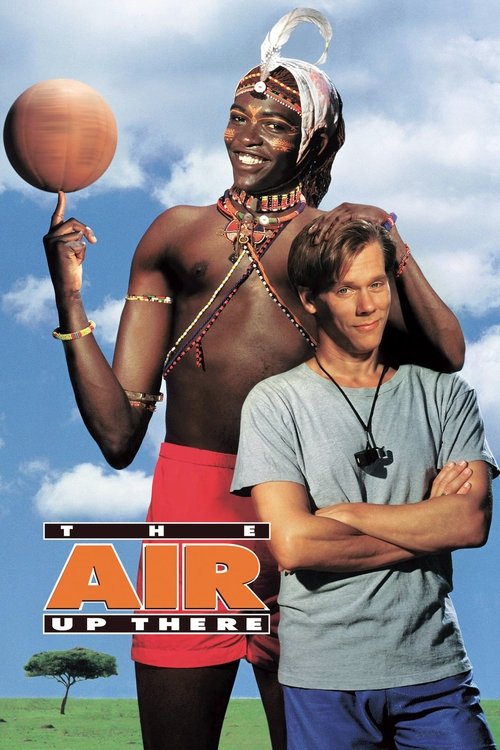
The Air Up There
Jimmy Dolan is a college basketball coach who wants a big promotion. To get it, he needs to make a dramatic find. He ends up deep in Africa, hoping to recruit Saleh, a huge basketball prodigy Jimmy glimpsed in a home movie. But Saleh is the chief's son and has responsibilities at home, since the tribe's land is threatened by a mining company with its own hotshot basketball team.
Working with a moderate budget of $17.0M, the film achieved a modest success with $21.0M in global revenue (+24% profit margin).


Plot Structure
Story beats plotted across runtime


Narrative Arc
Emotional journey through the story's key moments
Story Circle
Blueprint 15-beat structure
Arcplot Score Breakdown
Weighted: Precision (70%) + Arc (15%) + Theme (15%)
The Air Up There (1994) showcases meticulously timed narrative architecture, characteristic of Paul Michael Glaser's storytelling approach. This structural analysis examines how the film's 15-point plot structure maps to proven narrative frameworks across 1 hour and 47 minutes. With an Arcplot score of 6.7, the film balances conventional beats with creative variation.
Characters
Cast & narrative archetypes

Jimmy Dolan
Saleh
Sister Susan
Nyaga
Ray Fox
Urudu
Main Cast & Characters
Jimmy Dolan
Played by Kevin Bacon
An ambitious assistant college basketball coach who travels to Africa to recruit a talented player and learns about community and purpose.
Saleh
Played by Charles Gitonga Maina
A proud Winabi warrior and talented basketball player who must choose between tradition and opportunity.
Sister Susan
Played by Yolanda Vazquez
A compassionate missionary nun who helps Jimmy navigate Kenyan culture and serves as moral guide.
Nyaga
Played by Winston Ntshona
The dignified chief of the Winabi tribe and Saleh's father who values tradition and his people's welfare.
Ray Fox
Played by Dennis Patrick
Jimmy's superior and head basketball coach who is pragmatic and job-focused.
Urudu
Played by Mabutho Kid Sithole
A rival warrior and Saleh's antagonist who opposes outside influence and challenges Saleh's decisions.
Structural Analysis
The Status Quo at 1 minutes (1% through the runtime) establishes Jimmy Dolan is an ambitious assistant basketball coach at St. Joseph's University, desperate to prove himself and win the head coaching position. He scouts players aggressively but remains stuck in second place.. The analysis reveals that this early placement immediately immerses viewers in the story world.
The inciting incident occurs at 13 minutes when Jimmy sees a film clip of Saleh, an incredibly talented African player from Kenya. This discovery presents an opportunity to finally get ahead—if he can recruit this unknown prospect, he'll secure the head coach position.. At 12% through the film, this Disruption aligns precisely with traditional story structure. This beat shifts the emotional landscape, launching the protagonist into the central conflict.
The First Threshold at 27 minutes marks the transition into Act II, occurring at 25% of the runtime. This reveals the protagonist's commitment to Jimmy boards the plane to Kenya, leaving behind his familiar world and committing to the journey into Africa. This is his active choice to pursue Saleh, launching him into an unfamiliar world he doesn't understand., moving from reaction to action.
At 54 minutes, the Midpoint arrives at 50% of the runtime—precisely centered, creating perfect narrative symmetry. The analysis reveals that this crucial beat False victory: Jimmy finally earns some trust and it appears Saleh might consider coming to America. The tribe begins accepting Jimmy, and he feels he's close to success. But the stakes are raised when he learns about the tribal land conflict with a mining company., fundamentally raising what's at risk. The emotional intensity shifts, dividing the narrative into clear before-and-after phases.
The Collapse moment at 80 minutes (74% through) represents the emotional nadir. Here, Jimmy is rejected and expelled from the village after his manipulation is revealed. Saleh refuses to leave his people in their time of need. Jimmy faces his lowest point—he's failed his mission, betrayed the people who trusted him, and lost everything he came for. His selfishness has destroyed the relationships he built., demonstrates the protagonist at their lowest point. This beat's placement in the final quarter sets up the climactic reversal.
The Second Threshold at 85 minutes initiates the final act resolution at 80% of the runtime. Jimmy has an epiphany: instead of recruiting Saleh for his own gain, he can use his basketball knowledge to help the tribe. He returns to the village not as a recruiter, but as an ally, offering to help them save their land through a basketball game against the miners., demonstrating the transformation achieved throughout the journey.
Emotional Journey
The Air Up There's emotional architecture traces a deliberate progression across 15 carefully calibrated beats.
Narrative Framework
This structural analysis employs a 15-point narrative structure framework that maps key story moments. By mapping The Air Up There against these established plot points, we can identify how Paul Michael Glaser utilizes or subverts traditional narrative conventions. The plot point approach reveals not only adherence to structural principles but also creative choices that distinguish The Air Up There within the family genre.
Paul Michael Glaser's Structural Approach
Among the 3 Paul Michael Glaser films analyzed on Arcplot, the average structural score is 7.1, reflecting strong command of classical structure. The Air Up There takes a more unconventional approach compared to the director's typical style. For comparative analysis, explore the complete Paul Michael Glaser filmography.
Comparative Analysis
Additional family films include The Black Stallion, The Bad Guys and Ella Enchanted. For more Paul Michael Glaser analyses, see The Running Man, The Cutting Edge.
Plot Points by Act
Act I
SetupStatus Quo
Jimmy Dolan is an ambitious assistant basketball coach at St. Joseph's University, desperate to prove himself and win the head coaching position. He scouts players aggressively but remains stuck in second place.
Theme
A colleague or mentor tells Jimmy that basketball isn't just about winning—it's about respect, community, and understanding what the game means to people. Jimmy dismisses this, focused only on his career ambitions.
Worldbuilding
Jimmy's world at St. Joseph's is established: his competitive relationship with other coaches, his tunnel vision on career advancement, his win-at-all-costs mentality, and his disconnect from the deeper meaning of sport and community.
Disruption
Jimmy sees a film clip of Saleh, an incredibly talented African player from Kenya. This discovery presents an opportunity to finally get ahead—if he can recruit this unknown prospect, he'll secure the head coach position.
Resistance
Jimmy debates whether to travel to Africa, faces resistance from the university, prepares for the journey, and wrestles with the challenges of recruiting someone from a completely different culture. He remains confident his American approach will work.
Act II
ConfrontationFirst Threshold
Jimmy boards the plane to Kenya, leaving behind his familiar world and committing to the journey into Africa. This is his active choice to pursue Saleh, launching him into an unfamiliar world he doesn't understand.
Mirror World
Jimmy meets Saleh and his Winabi tribe community, encountering a culture where basketball is played for joy and community, not money or fame. The tribe, particularly Saleh, becomes the mirror showing Jimmy what he's missing in his life.
Premise
Fish-out-of-water comedy as Jimmy tries to recruit Saleh using American tactics that completely fail. He struggles with tribal customs, faces rejection, learns about the Winabi culture, and slowly begins participating in village life and understanding their values.
Midpoint
False victory: Jimmy finally earns some trust and it appears Saleh might consider coming to America. The tribe begins accepting Jimmy, and he feels he's close to success. But the stakes are raised when he learns about the tribal land conflict with a mining company.
Opposition
The mining company threat intensifies. Jimmy's selfish motives are exposed when the tribe discovers he only cares about recruiting Saleh, not helping their community. Saleh is torn between his duty to his people and Jimmy's promises. Jimmy's character flaws catch up with him as he loses their trust.
Collapse
Jimmy is rejected and expelled from the village after his manipulation is revealed. Saleh refuses to leave his people in their time of need. Jimmy faces his lowest point—he's failed his mission, betrayed the people who trusted him, and lost everything he came for. His selfishness has destroyed the relationships he built.
Crisis
Jimmy reflects on what he's learned in Kenya, processes his failure, and realizes the tribe gave him something more valuable than career advancement—they showed him the true meaning of community, loyalty, and purpose beyond personal ambition.
Act III
ResolutionSecond Threshold
Jimmy has an epiphany: instead of recruiting Saleh for his own gain, he can use his basketball knowledge to help the tribe. He returns to the village not as a recruiter, but as an ally, offering to help them save their land through a basketball game against the miners.
Synthesis
Jimmy coaches the Winabi team for the climactic basketball game against the mining company. He combines his American basketball expertise with respect for their culture and community values. The game becomes about tribal pride and land rights, not personal glory. The tribe wins, saving their land.
Transformation
Jimmy returns to America transformed, no longer the selfish career-obsessed coach. He's learned that coaching is about serving others, not personal advancement. Whether he gets the head coach job or not, he's become a better person who understands community and purpose.