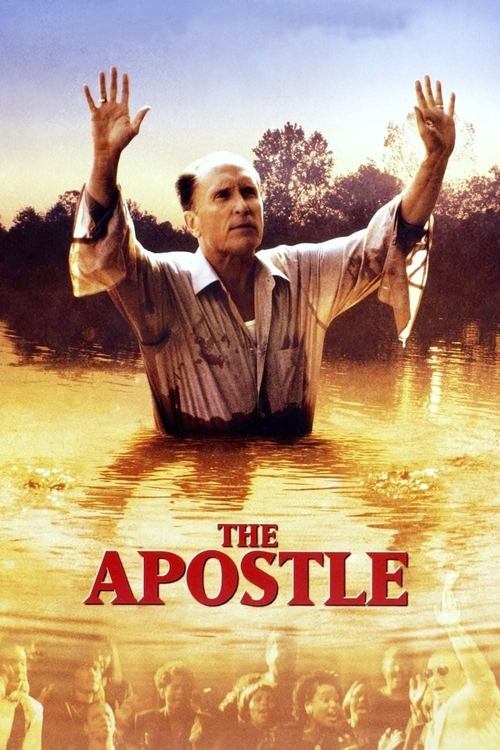
The Apostle
After his happy life spins out of control, a preacher from Texas changes his name, goes to Louisiana and starts preaching on the radio.
Despite its tight budget of $5.0M, The Apostle became a box office success, earning $19.9M worldwide—a 297% return. The film's bold vision found its audience, demonstrating that strong storytelling can transcend budget limitations.
Nominated for 1 Oscar. 13 wins & 8 nominations


Plot Structure
Story beats plotted across runtime


Narrative Arc
Emotional journey through the story's key moments
Story Circle
Blueprint 15-beat structure
Arcplot Score Breakdown
Weighted: Precision (70%) + Arc (15%) + Theme (15%)
The Apostle (1997) exhibits deliberately positioned dramatic framework, characteristic of Robert Duvall's storytelling approach. This structural analysis examines how the film's 15-point plot structure maps to proven narrative frameworks across 2 hours and 14 minutes. With an Arcplot score of 7.0, the film balances conventional beats with creative variation.
Characters
Cast & narrative archetypes

Euliss "Sonny" Dewey
Jessie Dewey
Toosie
Reverend C. Charles Blackwell
Horace
Joe
Main Cast & Characters
Euliss "Sonny" Dewey
Played by Robert Duvall
A charismatic Pentecostal preacher who flees Texas after a violent crime and reinvents himself as "The Apostle E.F." in Louisiana.
Jessie Dewey
Played by Farrah Fawcett
Sonny's estranged wife who has taken control of his church and started a relationship with another man.
Toosie
Played by Miranda Richardson
A loyal church member and radio station manager who becomes Sonny's companion and supporter in Louisiana.
Reverend C. Charles Blackwell
Played by John Beasley
A retired African American minister who helps Sonny establish a new church in Louisiana.
Horace
Played by Todd Allen
The youth minister at Sonny's original church who becomes romantically involved with Jessie.
Joe
Played by Billy Bob Thornton
Sonny's brother who provides support and advice during his crisis.
Structural Analysis
The Status Quo at 2 minutes (1% through the runtime) establishes Sonny preaches with passionate intensity at a late-night car accident scene, ministering to the injured. Establishes him as a charismatic, devoted Pentecostal minister who lives and breathes his calling.. Of particular interest, this early placement immediately immerses viewers in the story world.
The inciting incident occurs at 16 minutes when Sonny discovers that his wife Jessie is having an affair with the youth minister Horace. She wants a divorce and is taking control of the church. His entire world—marriage, ministry, identity—collapses.. At 12% through the film, this Disruption aligns precisely with traditional story structure. This beat shifts the emotional landscape, launching the protagonist into the central conflict.
The First Threshold at 31 minutes marks the transition into Act II, occurring at 23% of the runtime. This demonstrates the protagonist's commitment to In a fit of rage, Sonny strikes Horace with a baseball bat at a Little League game, critically injuring him. This violent act destroys his old life and forces him to flee. He actively chooses to run rather than face consequences., moving from reaction to action.
At 64 minutes, the Midpoint arrives at 48% of the runtime—precisely centered, creating perfect narrative symmetry. Structural examination shows that this crucial beat The church is thriving, and Sonny's ministry is successful beyond expectations. He baptizes many converts, including a racist troublemaker who seems transformed. False victory: Sonny appears to have found true redemption, but his past hasn't been resolved., fundamentally raising what's at risk. The emotional intensity shifts, dividing the narrative into clear before-and-after phases.
The Collapse moment at 96 minutes (72% through) represents the emotional nadir. Here, Sonny learns that Horace has died from his injuries, making him a murderer. His moral reckoning arrives—the whiff of death is literal. Everything he's built in Louisiana is now built on the foundation of a man's death., reveals the protagonist at their lowest point. This beat's placement in the final quarter sets up the climactic reversal.
The Second Threshold at 105 minutes initiates the final act resolution at 78% of the runtime. Sonny realizes true redemption requires accepting consequences. He understands that running forever is not redemption—facing his sin is. He chooses to stay and continue his ministry until he's caught, accepting God's will., demonstrating the transformation achieved throughout the journey.
Emotional Journey
The Apostle's emotional architecture traces a deliberate progression across 15 carefully calibrated beats.
Narrative Framework
This structural analysis employs systematic plot point analysis that identifies crucial turning points. By mapping The Apostle against these established plot points, we can identify how Robert Duvall utilizes or subverts traditional narrative conventions. The plot point approach reveals not only adherence to structural principles but also creative choices that distinguish The Apostle within the drama genre.
Comparative Analysis
Additional drama films include After Thomas, South Pacific and Dirty Dancing: Havana Nights.
Plot Points by Act
Act I
SetupStatus Quo
Sonny preaches with passionate intensity at a late-night car accident scene, ministering to the injured. Establishes him as a charismatic, devoted Pentecostal minister who lives and breathes his calling.
Theme
A parishioner or family member tells Sonny, "You can't run from your sins" or discusses redemption and second chances, foreshadowing Sonny's journey of fall and attempted redemption.
Worldbuilding
Establishes Sonny's world: his powerful preaching style, his radio ministry, his relationship with his wife Jessie and children, and his deep connection to his Pentecostal faith. Shows his devotion but also hints at marital problems and his wife's distance.
Disruption
Sonny discovers that his wife Jessie is having an affair with the youth minister Horace. She wants a divorce and is taking control of the church. His entire world—marriage, ministry, identity—collapses.
Resistance
Sonny desperately tries to win back his wife and save his ministry. He debates what to do, prays intensely, seeks guidance from his mother, and wrestles with his rage and loss. His attempts to reconcile fail, and his anger builds toward violence.
Act II
ConfrontationFirst Threshold
In a fit of rage, Sonny strikes Horace with a baseball bat at a Little League game, critically injuring him. This violent act destroys his old life and forces him to flee. He actively chooses to run rather than face consequences.
Mirror World
Sonny arrives in the small Louisiana bayou town and meets Toosie, the woman who will become his romantic interest and spiritual mirror. She represents simple faith without the ego and pride that corrupted Sonny.
Premise
Sonny reinvents himself as "The Apostle E.F." and builds a new ministry from nothing in Louisiana. He repairs an old church, wins over the local Black pastor, broadcasts on radio, and attracts a congregation. This is the promise of the premise—watching a fallen preacher find redemption through genuine service.
Midpoint
The church is thriving, and Sonny's ministry is successful beyond expectations. He baptizes many converts, including a racist troublemaker who seems transformed. False victory: Sonny appears to have found true redemption, but his past hasn't been resolved.
Opposition
The baptized racist reverts to his violent ways and threatens the church. Meanwhile, Sonny's past closes in as his ex-wife and authorities begin tracking him down. The tension builds between his genuine good work and his unresolved crime. Sonny knows his time is limited.
Collapse
Sonny learns that Horace has died from his injuries, making him a murderer. His moral reckoning arrives—the whiff of death is literal. Everything he's built in Louisiana is now built on the foundation of a man's death.
Crisis
Sonny faces his dark night of the soul. He prays, wrestles with guilt, and confronts the reality that he cannot escape what he's done. He continues his ministry with desperate intensity, knowing the police are coming. He must decide whether to run again or face justice.
Act III
ResolutionSecond Threshold
Sonny realizes true redemption requires accepting consequences. He understands that running forever is not redemption—facing his sin is. He chooses to stay and continue his ministry until he's caught, accepting God's will.
Synthesis
Sonny is arrested peacefully after a final church service. He goes with the police without resistance, having made peace with his fate. His congregation and Toosie witness his arrest. He has done genuine good, and his transformation, though imperfect, is real.
Transformation
Sonny works on a prison road gang, preaching to fellow inmates as they labor. He has found peace in accepting consequences while maintaining his calling. The final image mirrors the opening—he's still a preacher—but now with humility and genuine redemption through suffering.