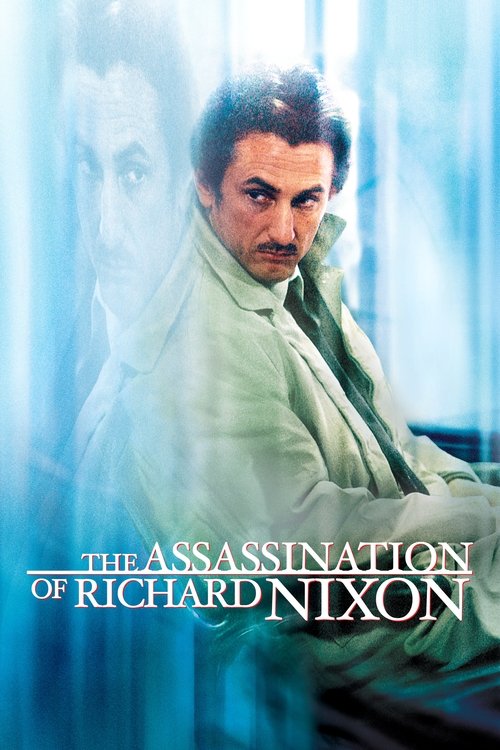
The Assassination of Richard Nixon
It’s 1974 and Sam Bicke has lost everything. His wife leaves him with his three kids, his boss fires him, his brother turns away from him, and the bank won’t give him any money to start anew. He tries to find someone to blame for his misfortunes and comes up with the President of the United States who he plans to murder.
The film earned $4.4M at the global box office.
2 wins & 4 nominations
Plot Structure
Story beats plotted across runtime


Narrative Arc
Emotional journey through the story's key moments
Story Circle
Blueprint 15-beat structure
Arcplot Score Breakdown
Weighted: Precision (70%) + Arc (15%) + Theme (15%)
The Assassination of Richard Nixon (2004) reveals carefully calibrated story structure, characteristic of Niels Mueller's storytelling approach. This structural analysis examines how the film's 15-point plot structure maps to proven narrative frameworks across 1 hour and 35 minutes. With an Arcplot score of 6.9, the film balances conventional beats with creative variation.
Structural Analysis
The Status Quo at 1 minutes (1% through the runtime) establishes Samuel Bicke sits alone in his shabby apartment, recording a tape addressed to Leonard Bernstein, establishing his isolation and desperation as a man on the margins of the American Dream.. The analysis reveals that this early placement immediately immerses viewers in the story world.
The inciting incident occurs at 12 minutes when Marie makes clear she wants a divorce and has no intention of reconciling with Sam, shattering his hope of reuniting his family and forcing him to confront his failed life.. At 12% through the film, this Disruption aligns precisely with traditional story structure. This beat shifts the emotional landscape, launching the protagonist into the central conflict.
The First Threshold at 25 minutes marks the transition into Act II, occurring at 26% of the runtime. This indicates the protagonist's commitment to Sam commits fully to the tire business plan with Bonny, applying for a Small Business Administration loan, actively choosing to pursue his own version of the American Dream through honest entrepreneurship., moving from reaction to action.
At 48 minutes, the Midpoint arrives at 51% of the runtime—precisely centered, creating perfect narrative symmetry. Structural examination shows that this crucial beat The SBA loan is denied. Sam's dreams of legitimate entrepreneurship are crushed by the very system he believed would reward honest effort, marking a false defeat that begins his psychological unraveling., fundamentally raising what's at risk. The emotional intensity shifts, dividing the narrative into clear before-and-after phases.
The Collapse moment at 72 minutes (75% through) represents the emotional nadir. Here, Sam attempts to join the Black Panthers, desperately seeking belonging and validation, only to be gently rejected. His last hope for connection and purpose dies, leaving him utterly alone with his rage., demonstrates the protagonist at their lowest point. This beat's placement in the final quarter sets up the climactic reversal.
The Second Threshold at 77 minutes initiates the final act resolution at 81% of the runtime. Sam crystallizes his plan to hijack a plane and crash it into the White House, choosing violence as his final statement against a system he believes is built on lies. He commits to his dark synthesis of the American Dream., demonstrating the transformation achieved throughout the journey.
Emotional Journey
The Assassination of Richard Nixon's emotional architecture traces a deliberate progression across 15 carefully calibrated beats.
Narrative Framework
This structural analysis employs proven narrative structure principles that track dramatic progression. By mapping The Assassination of Richard Nixon against these established plot points, we can identify how Niels Mueller utilizes or subverts traditional narrative conventions. The plot point approach reveals not only adherence to structural principles but also creative choices that distinguish The Assassination of Richard Nixon within the drama genre.
Comparative Analysis
Additional drama films include After Thomas, South Pacific and Dirty Dancing: Havana Nights.
Plot Points by Act
Act I
SetupStatus Quo
Samuel Bicke sits alone in his shabby apartment, recording a tape addressed to Leonard Bernstein, establishing his isolation and desperation as a man on the margins of the American Dream.
Theme
Sam's boss Jack Jones lectures him about salesmanship, declaring that the key to success is making the customer believe you're their friend - articulating the theme of American dishonesty and the lie at the heart of the sales culture Sam cannot embrace.
Worldbuilding
Sam's fractured world is established: his estranged wife Marie and their children, his humiliating job selling office furniture, his supportive brother Julius, and his inability to reconcile his need for honesty with a society built on deception.
Disruption
Marie makes clear she wants a divorce and has no intention of reconciling with Sam, shattering his hope of reuniting his family and forcing him to confront his failed life.
Resistance
Sam debates his options: he attempts to excel at his sales job despite his moral objections, tries to win Marie back, and begins formulating a plan with Bonny Simmons to start a mobile tire business - grasping at paths to reclaim dignity.
Act II
ConfrontationFirst Threshold
Sam commits fully to the tire business plan with Bonny, applying for a Small Business Administration loan, actively choosing to pursue his own version of the American Dream through honest entrepreneurship.
Mirror World
Sam's friendship with Bonny Simmons deepens as they work on the tire business plan together. Bonny represents everything Sam wishes he could be - a Black man who has found peace despite systemic injustice, offering an alternative path of acceptance.
Premise
Sam pursues his dream: he works on the tire business, continues his sales job while growing increasingly disgusted by its dishonesty, and makes awkward attempts to reconnect with Marie and his children, believing he can still make things right.
Midpoint
The SBA loan is denied. Sam's dreams of legitimate entrepreneurship are crushed by the very system he believed would reward honest effort, marking a false defeat that begins his psychological unraveling.
Opposition
Everything collapses around Sam: he loses his sales job after an outburst, Marie files for divorce, Bonny distances himself, and Sam becomes increasingly obsessed with Nixon as the symbol of American hypocrisy and the system that destroyed him.
Collapse
Sam attempts to join the Black Panthers, desperately seeking belonging and validation, only to be gently rejected. His last hope for connection and purpose dies, leaving him utterly alone with his rage.
Crisis
Sam spirals into his darkest place, recording his manifesto tapes to Leonard Bernstein, his grip on reality loosening as he processes his total rejection by every institution and relationship he valued.
Act III
ResolutionSecond Threshold
Sam crystallizes his plan to hijack a plane and crash it into the White House, choosing violence as his final statement against a system he believes is built on lies. He commits to his dark synthesis of the American Dream.
Synthesis
Sam executes his plan: he kills Bonny to steal his gun, goes to the airport, shoots the pilots and passengers attempting to hijack the plane, but is wounded and the plane never takes off, his grand gesture failing like everything else.
Transformation
Sam lies dying in the grounded plane, his assassination attempt failed, his tape recordings his only legacy. The final image mirrors the opening - a man alone, unheard, his desperate cry for recognition ending not with a bang but with pathetic futility.