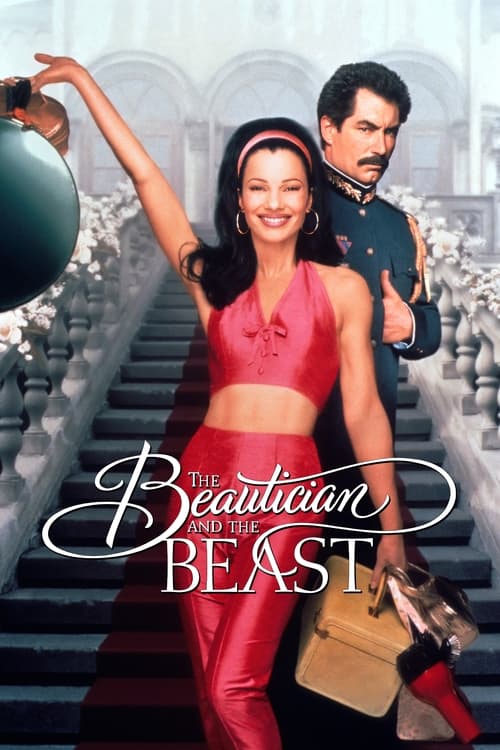
The Beautician and the Beast
A New York City beautician is mistakenly hired as the school teacher for the children of the president of a small Eastern European country.
The film underperformed commercially against its moderate budget of $16.0M, earning $11.5M globally (-28% loss). While initial box office returns were modest, the film has gained appreciation for its fresh perspective within the comedy genre.


Plot Structure
Story beats plotted across runtime


Narrative Arc
Emotional journey through the story's key moments
Story Circle
Blueprint 15-beat structure
Arcplot Score Breakdown
Weighted: Precision (70%) + Arc (15%) + Theme (15%)
The Beautician and the Beast (1997) reveals carefully calibrated story structure, characteristic of Ken Kwapis's storytelling approach. This structural analysis examines how the film's 15-point plot structure maps to proven narrative frameworks across 1 hour and 45 minutes. With an Arcplot score of 7.0, the film balances conventional beats with creative variation.
Characters
Cast & narrative archetypes

Joy Miller
Boris Pochenko
Ira Grushinsky
Katrina Pochenko
Karl Pochenko
Yuri Pochenko
Leonid Kleist
Main Cast & Characters
Joy Miller
Played by Fran Drescher
A bubbly New York beautician who becomes tutor to the children of a stern Eastern European dictator.
Boris Pochenko
Played by Timothy Dalton
The authoritarian dictator of Slovetzia who gradually softens under Joy's influence.
Ira Grushinsky
Played by Ian McNeice
Boris's scheming advisor who plots to overthrow him and opposes Joy's influence.
Katrina Pochenko
Played by Lisa Jakub
Boris's teenage daughter who initially resents Joy but comes to appreciate her warmth.
Karl Pochenko
Played by Kyle Sabihy
Boris's younger son who quickly bonds with Joy.
Yuri Pochenko
Played by Adam LaVorgna
Boris's youngest son who embraces Joy's affectionate nature.
Leonid Kleist
Played by Patrick Malahide
Boris's loyal aide and assistant who supports the palace household.
Structural Analysis
The Status Quo at 1 minutes (1% through the runtime) establishes Joy Miller teaches beauty school in Queens, surrounded by her students and vibrant NYC life. She's a confident, big-hearted beautician living a comfortable but unremarkable life.. Structural examination shows that this early placement immediately immerses viewers in the story world.
The inciting incident occurs at 12 minutes when Joy is mistaken for a science teacher and offered a position as tutor to the children of Boris Pochenko, the autocratic president of the fictional Eastern European nation Slovetzia. The job offer is made due to a resume mix-up.. At 11% through the film, this Disruption aligns precisely with traditional story structure. This beat shifts the emotional landscape, launching the protagonist into the central conflict.
The First Threshold at 26 minutes marks the transition into Act II, occurring at 24% of the runtime. This reveals the protagonist's commitment to Joy boards the plane to Slovetzia, actively choosing to leave her comfortable life for adventure. She commits to the journey despite her uncertainty., moving from reaction to action.
At 54 minutes, the Midpoint arrives at 51% of the runtime—precisely centered, creating perfect narrative symmetry. Significantly, this crucial beat Joy and Boris share a romantic moment - perhaps a dance or intimate conversation where they connect emotionally. Joy believes she's breaking through to him. The stakes raise as their feelings become undeniable, but so do the obstacles (his position, political pressures)., fundamentally raising what's at risk. The emotional intensity shifts, dividing the narrative into clear before-and-after phases.
The Collapse moment at 77 minutes (73% through) represents the emotional nadir. Here, Boris sends Joy away, choosing duty over love. Joy is devastated and must return to New York. The relationship appears to be over. Joy faces the death of her dream - both the adventure and the love story., indicates the protagonist at their lowest point. This beat's placement in the final quarter sets up the climactic reversal.
The Second Threshold at 84 minutes initiates the final act resolution at 80% of the runtime. Boris has a realization - he must choose love over fear. He decides to pursue Joy and embrace democratic reforms, combining his leadership with the lessons of openness Joy taught him. Or Joy receives information that brings her back., demonstrating the transformation achieved throughout the journey.
Emotional Journey
The Beautician and the Beast's emotional architecture traces a deliberate progression across 15 carefully calibrated beats.
Narrative Framework
This structural analysis employs proven narrative structure principles that track dramatic progression. By mapping The Beautician and the Beast against these established plot points, we can identify how Ken Kwapis utilizes or subverts traditional narrative conventions. The plot point approach reveals not only adherence to structural principles but also creative choices that distinguish The Beautician and the Beast within the comedy genre.
Ken Kwapis's Structural Approach
Among the 8 Ken Kwapis films analyzed on Arcplot, the average structural score is 7.3, reflecting strong command of classical structure. The Beautician and the Beast takes a more unconventional approach compared to the director's typical style. For comparative analysis, explore the complete Ken Kwapis filmography.
Comparative Analysis
Additional comedy films include The Bad Guys, Ella Enchanted and The Evening Star. For more Ken Kwapis analyses, see The Sisterhood of the Traveling Pants, Follow That Bird and Big Miracle.
Plot Points by Act
Act I
SetupStatus Quo
Joy Miller teaches beauty school in Queens, surrounded by her students and vibrant NYC life. She's a confident, big-hearted beautician living a comfortable but unremarkable life.
Theme
A character mentions that "you can't judge a book by its cover" - foreshadowing Joy's ability to see beyond Boris's stern exterior to his true heart.
Worldbuilding
Joy's world in Queens is established: her beauty school, students, personality, and charm. A fire breaks out at the school and Joy heroically saves students, becoming a local hero. This sets up her qualifications for teaching.
Disruption
Joy is mistaken for a science teacher and offered a position as tutor to the children of Boris Pochenko, the autocratic president of the fictional Eastern European nation Slovetzia. The job offer is made due to a resume mix-up.
Resistance
Joy debates whether to take the job in a foreign country. Her friends and family give mixed advice. She's both excited and nervous. She decides this is her chance for adventure and accepts, though she knows nothing about Slovetzia or what she's getting into.
Act II
ConfrontationFirst Threshold
Joy boards the plane to Slovetzia, actively choosing to leave her comfortable life for adventure. She commits to the journey despite her uncertainty.
Mirror World
Joy meets President Boris Pochenko, a stern, authoritarian leader who is the complete opposite of Joy. Their chemistry is immediate but combative. He represents the cold, controlled world that needs Joy's warmth.
Premise
Joy navigates palace life, teaching the children with her unconventional methods. She clashes repeatedly with Boris over his authoritarian parenting and politics. Comic fish-out-of-water scenarios as she brings her Queens sensibility to the formal palace. Romance builds through conflict as she softens the children and gradually affects Boris.
Midpoint
Joy and Boris share a romantic moment - perhaps a dance or intimate conversation where they connect emotionally. Joy believes she's breaking through to him. The stakes raise as their feelings become undeniable, but so do the obstacles (his position, political pressures).
Opposition
Political pressures mount against Boris. His advisors and political rivals use Joy's influence as ammunition against him. Joy's methods are questioned. The romance becomes more complicated as external forces work to separate them. Boris must choose between his heart and his political survival.
Collapse
Boris sends Joy away, choosing duty over love. Joy is devastated and must return to New York. The relationship appears to be over. Joy faces the death of her dream - both the adventure and the love story.
Crisis
Joy returns to Queens, heartbroken. She processes the loss and reflects on what she learned. Meanwhile, Boris realizes what he's lost and that Joy was right about opening his heart.
Act III
ResolutionSecond Threshold
Boris has a realization - he must choose love over fear. He decides to pursue Joy and embrace democratic reforms, combining his leadership with the lessons of openness Joy taught him. Or Joy receives information that brings her back.
Synthesis
The grand finale: Boris comes to New York or Joy returns to Slovetzia. They reconcile publicly. Boris embraces both democratic reforms and his love for Joy. The children are reunited with Joy. All conflicts resolve as love and authenticity triumph.
Transformation
Joy and Boris together, transformed. He's softened and opened his heart; she's found her true purpose and adventure. The final image mirrors the opening but shows Joy has achieved her dream of meaningful love and purpose, while Boris has learned to lead with heart.