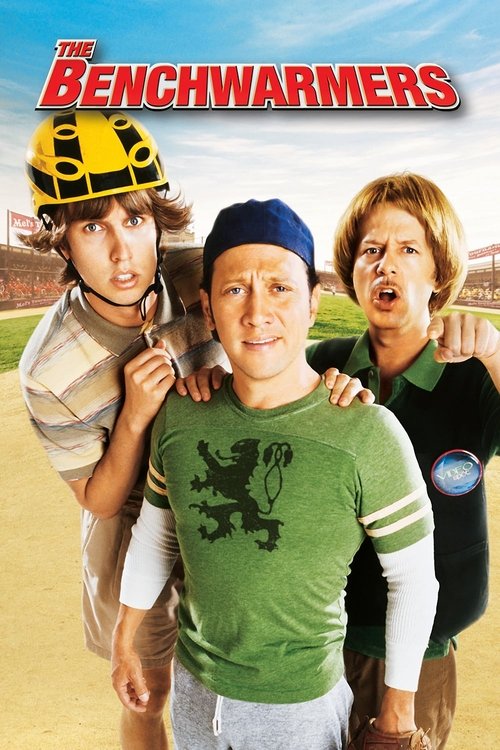
The Benchwarmers
A trio of guys try and make up for missed opportunities in childhood by forming a three-player baseball team to compete against standard little league squads.
Working with a mid-range budget of $33.0M, the film achieved a modest success with $65.0M in global revenue (+97% profit margin).


Plot Structure
Story beats plotted across runtime


Narrative Arc
Emotional journey through the story's key moments
Story Circle
Blueprint 15-beat structure
Arcplot Score Breakdown
Weighted: Precision (70%) + Arc (15%) + Theme (15%)
The Benchwarmers (2006) exemplifies carefully calibrated narrative design, characteristic of Dennis Dugan's storytelling approach. This structural analysis examines how the film's 15-point plot structure maps to proven narrative frameworks across 1 hour and 25 minutes. With an Arcplot score of 7.3, the film balances conventional beats with creative variation.
Characters
Cast & narrative archetypes

Gus Matthews
Richie Goodman
Clark Reedy
Mel Carmichael
Liz Reedy
Carlos
Main Cast & Characters
Gus Matthews
Played by Rob Schneider
A nerdy landscaper who was never picked for sports as a kid, now forming a baseball team to stand up for bullied kids.
Richie Goodman
Played by David Spade
A video store clerk and Gus's best friend, equally unathletic but loyal and enthusiastic about their mission.
Clark Reedy
Played by Jon Heder
An agoraphobic former Little Leaguer who hasn't left his apartment in years, but is secretly a great baseball player.
Mel Carmichael
Played by Jon Lovitz
A wealthy businessman whose son is bullied, funding the benchwarmers' tournament to give nerds a chance at glory.
Liz Reedy
Played by Nick Swardson
Clark's concerned and supportive brother, trying to help him overcome his social anxiety.
Carlos
Played by Matt Weinberg
The antagonistic Little League coach who represents the bullying jock mentality the heroes fight against.
Structural Analysis
The Status Quo at 1 minutes (1% through the runtime) establishes Gus works as a landscaper/pizza delivery guy living a quiet suburban life, avoiding confrontation. We see him mowing lawns and delivering pizzas, establishing his non-threatening, conflict-avoidant personality.. Of particular interest, this early placement immediately immerses viewers in the story world.
The inciting incident occurs at 9 minutes when Gus witnesses kids viciously bullying Nelson at the baseball field, mocking him and destroying his confidence. The cruelty is so extreme that Gus cannot ignore it, disrupting his conflict-avoidant status quo.. At 11% through the film, this Disruption aligns precisely with traditional story structure. This beat shifts the emotional landscape, launching the protagonist into the central conflict.
The First Threshold at 20 minutes marks the transition into Act II, occurring at 24% of the runtime. This illustrates the protagonist's commitment to The Benchwarmers officially enter Mel's tournament. They make the active choice to take on the bullying culture of little league, moving from avoiding conflict to confronting it. The tournament bracket is revealed., moving from reaction to action.
At 43 minutes, the Midpoint arrives at 51% of the runtime—precisely centered, creating perfect narrative symmetry. Significantly, this crucial beat False victory: The Benchwarmers reach the championship game and are at peak popularity. Mel announces plans to build a baseball field for all the rejected kids. Everything seems perfect - they're winning, famous, and helping kids. But stakes raise: they must face Jerry's team (the ultimate bullies) in the finals., fundamentally raising what's at risk. The emotional intensity shifts, dividing the narrative into clear before-and-after phases.
The Collapse moment at 61 minutes (72% through) represents the emotional nadir. Here, Jerry reveals Gus's secret: Gus was a bully in elementary school. The revelation devastates the rejected kids who idolized him. The "whiff of death" is the death of Gus's hero status and moral authority. The kids feel betrayed; everything the Benchwarmers stood for seems like hypocrisy., shows the protagonist at their lowest point. This beat's placement in the final quarter sets up the climactic reversal.
The Second Threshold at 67 minutes initiates the final act resolution at 78% of the runtime. Gus gives a sincere apology to Nelson and the rejected kids, admitting his past and expressing genuine remorse. He realizes being a role model isn't about being perfect - it's about owning mistakes and growing. The kids forgive him. New synthesis: authentic redemption over false heroism., demonstrating the transformation achieved throughout the journey.
Emotional Journey
The Benchwarmers's emotional architecture traces a deliberate progression across 15 carefully calibrated beats.
Narrative Framework
This structural analysis employs proven narrative structure principles that track dramatic progression. By mapping The Benchwarmers against these established plot points, we can identify how Dennis Dugan utilizes or subverts traditional narrative conventions. The plot point approach reveals not only adherence to structural principles but also creative choices that distinguish The Benchwarmers within the comedy genre.
Dennis Dugan's Structural Approach
Among the 13 Dennis Dugan films analyzed on Arcplot, the average structural score is 7.3, reflecting strong command of classical structure. The Benchwarmers represents one of the director's most structurally precise works. For comparative analysis, explore the complete Dennis Dugan filmography.
Comparative Analysis
Additional comedy films include The Bad Guys, Ella Enchanted and The Evening Star. For more Dennis Dugan analyses, see Jack and Jill, Grown Ups 2 and Grown Ups.
Plot Points by Act
Act I
SetupStatus Quo
Gus works as a landscaper/pizza delivery guy living a quiet suburban life, avoiding confrontation. We see him mowing lawns and delivering pizzas, establishing his non-threatening, conflict-avoidant personality.
Theme
Mel (the billionaire) tells his son Nelson: "You have to stand up to bullies." This thematic statement about confronting bullies versus avoiding them will drive the entire story and be tested throughout.
Worldbuilding
Introduction of the three protagonists: Gus (the landscaper), Richie (the video store clerk who still lives with his brother), and Clark (the nerdy agoraphobe). We see Nelson being bullied by kids at the baseball field, establishing the world of youth baseball dominated by cruel children and enabling parents.
Disruption
Gus witnesses kids viciously bullying Nelson at the baseball field, mocking him and destroying his confidence. The cruelty is so extreme that Gus cannot ignore it, disrupting his conflict-avoidant status quo.
Resistance
Gus, Richie, and Clark play against the bullies in an impromptu game to defend Nelson, surprisingly winning. Mel (Nelson's billionaire father) proposes sponsoring them in a tournament against all the little league teams. The trio debates whether they should actually do this, questioning if grown men playing kids is right.
Act II
ConfrontationFirst Threshold
The Benchwarmers officially enter Mel's tournament. They make the active choice to take on the bullying culture of little league, moving from avoiding conflict to confronting it. The tournament bracket is revealed.
Mirror World
Introduction of the growing relationship between the Benchwarmers and the "rejected kids" who come to support them. These bullied children represent the thematic heart - they show what the heroes are really fighting for and will later hold them accountable.
Premise
The fun and games: montage of the Benchwarmers defeating team after team, becoming celebrities among outcasts and nerds. Gus, Richie, and Clark enjoy success, sign autographs, gain confidence. The premise delivers on "nerdy adults beating bully kids at baseball." Clark learns to leave his house, Richie gets attention.
Midpoint
False victory: The Benchwarmers reach the championship game and are at peak popularity. Mel announces plans to build a baseball field for all the rejected kids. Everything seems perfect - they're winning, famous, and helping kids. But stakes raise: they must face Jerry's team (the ultimate bullies) in the finals.
Opposition
Jerry and the bully parents intensify their attacks, trying to discredit the Benchwarmers. Pressure mounts for the championship. The Benchwarmers' flaws emerge: they're becoming arrogant, losing sight of why they started. Jerry investigates Gus's past, looking for dirt.
Collapse
Jerry reveals Gus's secret: Gus was a bully in elementary school. The revelation devastates the rejected kids who idolized him. The "whiff of death" is the death of Gus's hero status and moral authority. The kids feel betrayed; everything the Benchwarmers stood for seems like hypocrisy.
Crisis
The Benchwarmers face the aftermath. Gus confronts his shame and past mistakes. The team fractures. They must decide whether to forfeit the championship. Dark night as they process failure and question whether they deserve to represent the bullied kids.
Act III
ResolutionSecond Threshold
Gus gives a sincere apology to Nelson and the rejected kids, admitting his past and expressing genuine remorse. He realizes being a role model isn't about being perfect - it's about owning mistakes and growing. The kids forgive him. New synthesis: authentic redemption over false heroism.
Synthesis
The championship game finale. The Benchwarmers play with renewed purpose - not for glory but for the kids. They bring Nelson and other rejected kids onto the field to play with them, embodying true inclusion. Jerry and the bullies are defeated not just in score but in spirit. Mel's field gets built.
Transformation
Final image: The new baseball field opens, filled with kids of all skill levels playing together. Gus, Richie, and Clark watch as true mentors, not heroes. Contrast to opening: instead of avoiding conflict, Gus now confronts problems with honesty; instead of exclusion, inclusion; instead of perfect heroes, flawed role models who grew.