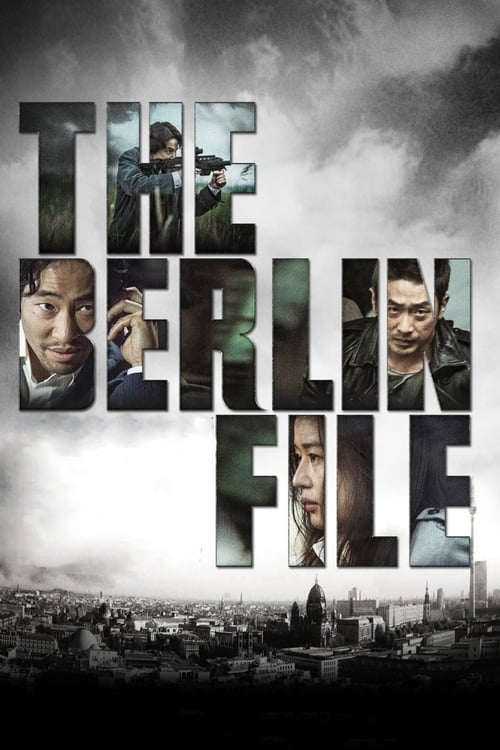
The Berlin File
When an illicit arms deal goes bad, North Korean spy Pyo Jong-seong finds himself targeted not just by the South Koreans but also his own bosses.
Despite its tight budget of $9.0M, The Berlin File became a financial success, earning $49.0M worldwide—a 444% return. The film's unique voice resonated with audiences, illustrating how strong storytelling can transcend budget limitations.
12 wins & 8 nominations


Plot Structure
Story beats plotted across runtime


Narrative Arc
Emotional journey through the story's key moments
Story Circle
Blueprint 15-beat structure
Arcplot Score Breakdown
Weighted: Precision (70%) + Arc (15%) + Theme (15%)
The Berlin File (2013) reveals strategically placed narrative design, characteristic of Ryoo Seung-wan's storytelling approach. This structural analysis examines how the film's 15-point plot structure maps to proven narrative frameworks across 2 hours. With an Arcplot score of 6.1, the film takes an unconventional approach to traditional narrative frameworks.
Characters
Cast & narrative archetypes

Pyo Jong-seong
Dong Myung-soo
Jung Jin-soo
Ryun Jung-hee
Main Cast & Characters
Pyo Jong-seong
Played by Ha Jung-woo
A North Korean spy operating undercover in Berlin who becomes caught between loyalty to his country and his wife when a weapons deal goes wrong.
Dong Myung-soo
Played by Han Suk-kyu
A ruthless North Korean security officer sent to Berlin to investigate a botched operation and eliminate traitors within the regime.
Jung Jin-soo
Played by Ryoo Seung-bum
A sophisticated South Korean NIS agent who manipulates the situation in Berlin to turn North Korean operatives and gather intelligence.
Ryun Jung-hee
Played by Gianna Jun
Pyo Jong-seong's wife and a skilled translator at the North Korean embassy who becomes suspected of being a traitor.
Structural Analysis
The Status Quo at 1 minutes (1% through the runtime) establishes Pyo Jong-seong conducts a covert arms deal in Berlin, moving through the shadows as a North Korean ghost agent. His precise, cold professionalism establishes him as a man who exists in the margins, trusted by no one and trusting no one.. Of particular interest, this early placement immediately immerses viewers in the story world.
The inciting incident occurs at 14 minutes when The arms deal goes catastrophically wrong when multiple intelligence agencies converge. Pyo is photographed by the South Koreans, and Dong Myung-soo arrives in Berlin with suspicions that there's a traitor in their midst, putting Pyo and his wife under direct threat.. At 12% through the film, this Disruption aligns precisely with traditional story structure. This beat shifts the emotional landscape, launching the protagonist into the central conflict.
The First Threshold at 30 minutes marks the transition into Act II, occurring at 25% of the runtime. This shows the protagonist's commitment to When Dong frames Ryun Jung-hee as the suspected traitor and orders her elimination, Pyo makes the irreversible choice to protect his wife over his loyalty to North Korea. He crosses the threshold from obedient operative to hunted fugitive., moving from reaction to action.
At 60 minutes, the Midpoint arrives at 50% of the runtime—precisely centered, creating perfect narrative symmetry. Notably, this crucial beat Pyo discovers the devastating truth: the conspiracy runs deeper than Dong Myung-soo. His own government has been manipulating events, and the betrayal implicates people he trusted. This false defeat reveals the game is far larger than he imagined, raising the stakes exponentially., fundamentally raising what's at risk. The emotional intensity shifts, dividing the narrative into clear before-and-after phases.
The Collapse moment at 90 minutes (75% through) represents the emotional nadir. Here, Ryun Jung-hee is captured by Dong Myung-soo, and Pyo appears to have lost everything. His cover is completely blown, his wife is in the hands of a sadist, and he's been branded a traitor by his homeland. The whiff of death hangs over his entire world., indicates the protagonist at their lowest point. This beat's placement in the final quarter sets up the climactic reversal.
The Second Threshold at 96 minutes initiates the final act resolution at 80% of the runtime. Pyo and Jung Jin-soo form an unlikely alliance. The South Korean agent provides crucial intelligence and support, recognizing they share a common enemy in corruption and lies. Armed with this synthesis of former enemies united by truth, Pyo launches his final assault., demonstrating the transformation achieved throughout the journey.
Emotional Journey
The Berlin File's emotional architecture traces a deliberate progression across 15 carefully calibrated beats.
Narrative Framework
This structural analysis employs a 15-point narrative structure framework that maps key story moments. By mapping The Berlin File against these established plot points, we can identify how Ryoo Seung-wan utilizes or subverts traditional narrative conventions. The plot point approach reveals not only adherence to structural principles but also creative choices that distinguish The Berlin File within the action genre.
Ryoo Seung-wan's Structural Approach
Among the 3 Ryoo Seung-wan films analyzed on Arcplot, the average structural score is 6.7, demonstrating varied approaches to story architecture. The Berlin File takes a more unconventional approach compared to the director's typical style. For comparative analysis, explore the complete Ryoo Seung-wan filmography.
Comparative Analysis
Additional action films include The Bad Guys, Puss in Boots and Venom: The Last Dance. For more Ryoo Seung-wan analyses, see Veteran, The Battleship Island.
Plot Points by Act
Act I
SetupStatus Quo
Pyo Jong-seong conducts a covert arms deal in Berlin, moving through the shadows as a North Korean ghost agent. His precise, cold professionalism establishes him as a man who exists in the margins, trusted by no one and trusting no one.
Theme
During the chaotic aftermath of the botched arms deal, a character remarks on the impossibility of knowing who is friend or enemy in this world of spies. The theme of trust in a treacherous world is established.
Worldbuilding
The web of espionage is established: Pyo's double life as a North Korean operative, his marriage to fellow agent Ryun Jung-hee, the surveillance by South Korean NIS agent Jung Jin-soo, and the arrival of the paranoid security chief Dong Myung-soo. Berlin becomes a Cold War-era chessboard.
Disruption
The arms deal goes catastrophically wrong when multiple intelligence agencies converge. Pyo is photographed by the South Koreans, and Dong Myung-soo arrives in Berlin with suspicions that there's a traitor in their midst, putting Pyo and his wife under direct threat.
Resistance
Pyo navigates the dangerous waters of Dong's investigation while Jung Jin-soo pursues him as a target. Both men are guided by their respective handlers and institutional loyalties, but cracks appear. Pyo debates whether to trust the system that raised him as suspicion falls on his wife.
Act II
ConfrontationFirst Threshold
When Dong frames Ryun Jung-hee as the suspected traitor and orders her elimination, Pyo makes the irreversible choice to protect his wife over his loyalty to North Korea. He crosses the threshold from obedient operative to hunted fugitive.
Mirror World
Jung Jin-soo emerges as Pyo's mirror—a South Korean agent equally trapped by duty and equally questioning his masters. Their parallel journeys toward disillusionment with their respective regimes creates the thematic B-story of men seeking truth in a world built on lies.
Premise
The cat-and-mouse spy thriller delivers its promise: breathtaking chases through Berlin, tense confrontations, coded communications, and shifting alliances. Pyo fights to uncover who truly betrayed the operation while evading both North Korean assassins and South Korean agents.
Midpoint
Pyo discovers the devastating truth: the conspiracy runs deeper than Dong Myung-soo. His own government has been manipulating events, and the betrayal implicates people he trusted. This false defeat reveals the game is far larger than he imagined, raising the stakes exponentially.
Opposition
The noose tightens from all sides. Dong Myung-soo intensifies his hunt with sadistic determination. North Korean assassins close in. Jung Jin-soo faces pressure from his own superiors. Pyo's attempts to protect his wife while exposing the truth lead to increasingly violent confrontations and narrowing options.
Collapse
Ryun Jung-hee is captured by Dong Myung-soo, and Pyo appears to have lost everything. His cover is completely blown, his wife is in the hands of a sadist, and he's been branded a traitor by his homeland. The whiff of death hangs over his entire world.
Crisis
In his darkest moment, Pyo must confront what he's willing to sacrifice. The ideology he served has abandoned him. His only remaining purpose is love—for his wife—and justice against those who weaponized loyalty. He processes his transformation from true believer to man without a country.
Act III
ResolutionSecond Threshold
Pyo and Jung Jin-soo form an unlikely alliance. The South Korean agent provides crucial intelligence and support, recognizing they share a common enemy in corruption and lies. Armed with this synthesis of former enemies united by truth, Pyo launches his final assault.
Synthesis
The explosive finale unfolds as Pyo storms Dong Myung-soo's location in a brutal confrontation. Using all his lethal skills combined with his new understanding of who deserves his loyalty, he fights through North Korean operatives, rescues his wife, and delivers justice to Dong in a visceral final battle.
Transformation
Pyo and Jung-hee disappear into anonymity, stateless but free. The final image shows Pyo no longer a ghost serving a regime, but a man who chose love over ideology. His transformation from loyal operative to liberated individual mirrors the theme: trust must be earned, not demanded.