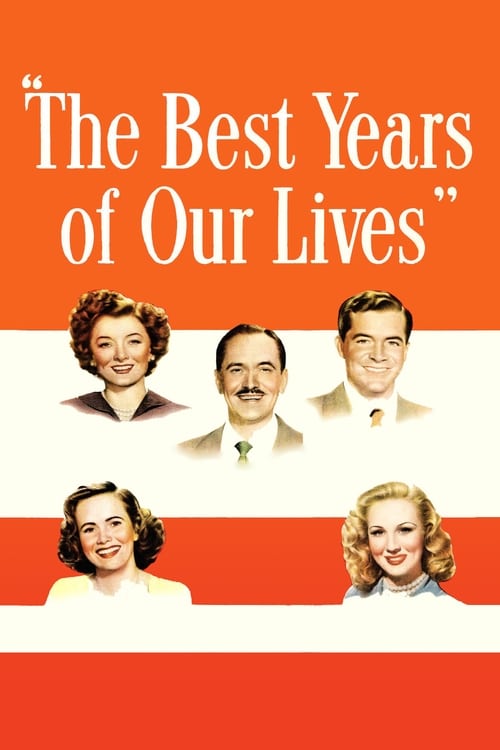
The Best Years of Our Lives
It's the hope that sustains the spirit of every GI: the dream of the day when he will finally return home. For three WWII veterans, the day has arrived. But for each man, the dream is about to become a nightmare.
Despite its small-scale budget of $2.1M, The Best Years of Our Lives became a commercial juggernaut, earning $23.6M worldwide—a remarkable 1026% return. The film's unique voice found its audience, demonstrating that strong storytelling can transcend budget limitations.
7 Oscars. 25 wins & 4 nominations


Plot Structure
Story beats plotted across runtime


Narrative Arc
Emotional journey through the story's key moments
Story Circle
Blueprint 15-beat structure
Arcplot Score Breakdown
Weighted: Precision (70%) + Arc (15%) + Theme (15%)
The Best Years of Our Lives (1946) showcases deliberately positioned story structure, characteristic of William Wyler's storytelling approach. This structural analysis examines how the film's 15-point plot structure maps to proven narrative frameworks across 2 hours and 51 minutes. With an Arcplot score of 6.5, the film balances conventional beats with creative variation.
Characters
Cast & narrative archetypes

Al Stephenson
Fred Derry
Homer Parrish
Milly Stephenson
Peggy Stephenson
Marie Derry
Wilma Cameron
Main Cast & Characters
Al Stephenson
Played by Fredric March
A middle-aged Army sergeant returning home to his family and banking career, struggling to readjust to civilian life after years of combat.
Fred Derry
Played by Dana Andrews
A decorated Air Force bombardier who returns home as a war hero but struggles to find meaningful work and reconnect with his hasty wartime marriage.
Homer Parrish
Played by Harold Russell
A young Navy sailor who lost both hands in combat and must learn to navigate life with prosthetic hooks while fearing rejection from his childhood sweetheart.
Milly Stephenson
Played by Myrna Loy
Al's patient and understanding wife who welcomes him home with love while adjusting to the changes war has brought to their relationship.
Peggy Stephenson
Played by Teresa Wright
Al and Milly's compassionate daughter who falls in love with Fred despite his marriage, determined to fight for their happiness.
Marie Derry
Played by Virginia Mayo
Fred's selfish and materialistic wife who married him impulsively during the war and now resents his inability to provide a glamorous lifestyle.
Wilma Cameron
Played by Cathy O'Donnell
Homer's devoted childhood sweetheart who loves him unconditionally and refuses to let his disability change their relationship.
Structural Analysis
The Status Quo at 1 minutes (1% through the runtime) establishes Three servicemen—Al, Fred, and Homer—meet aboard a military transport plane flying home after WWII. They share their anticipation and anxiety about returning to civilian life after years away at war.. The analysis reveals that this early placement immediately immerses viewers in the story world.
The inciting incident occurs at 21 minutes when Each man confronts the harsh reality that home is not as they remembered: Al feels like a stranger in his own bank job, Fred discovers his wife has changed and expects a lifestyle he can't provide, and Homer realizes his disability makes everyone uncomfortable, especially himself.. At 12% through the film, this Disruption aligns precisely with traditional story structure. This beat shifts the emotional landscape, launching the protagonist into the central conflict.
The First Threshold at 43 minutes marks the transition into Act II, occurring at 25% of the runtime. This reveals the protagonist's commitment to Al decides to embrace helping veterans get loans despite bank policy risks. Fred accepts his soda jerk position as a starting point. Homer begins tentatively engaging with Wilma again. Each man actively chooses to move forward rather than retreat into bitterness., moving from reaction to action.
At 86 minutes, the Midpoint arrives at 50% of the runtime—precisely centered, creating perfect narrative symmetry. The analysis reveals that this crucial beat Fred's wife Marie coldly tells him she wants a divorce, revealing she never loved him—only the idea of being a war hero's wife. Simultaneously, Homer lashes out at his family during dinner, smashing dishes, revealing the depths of his pain. The false hope of easy readjustment shatters., fundamentally raising what's at risk. The emotional intensity shifts, dividing the narrative into clear before-and-after phases.
The Collapse moment at 128 minutes (75% through) represents the emotional nadir. Here, Fred loses his soda fountain job after punching a customer who called the war a waste. Broke, hopeless, and alone, he returns to the airplane graveyard where bombers like the one he flew are being scrapped—a powerful "whiff of death" as he sits in his old plane, surrounded by the wreckage of his former purpose., reveals the protagonist at their lowest point. This beat's placement in the final quarter sets up the climactic reversal.
The Second Threshold at 137 minutes initiates the final act resolution at 80% of the runtime. Fred gets a job offer helping convert war machinery to peacetime housing—turning death into life. Homer asks Wilma to see him at his most vulnerable (without prosthetics at bedtime), and she proves her unconditional love. Each man finds synthesis: their war experience can fuel meaningful civilian purpose., demonstrating the transformation achieved throughout the journey.
Emotional Journey
The Best Years of Our Lives's emotional architecture traces a deliberate progression across 15 carefully calibrated beats.
Narrative Framework
This structural analysis employs structural analysis methodology used to understand storytelling architecture. By mapping The Best Years of Our Lives against these established plot points, we can identify how William Wyler utilizes or subverts traditional narrative conventions. The plot point approach reveals not only adherence to structural principles but also creative choices that distinguish The Best Years of Our Lives within the drama genre.
William Wyler's Structural Approach
Among the 6 William Wyler films analyzed on Arcplot, the average structural score is 6.8, demonstrating varied approaches to story architecture. The Best Years of Our Lives takes a more unconventional approach compared to the director's typical style. For comparative analysis, explore the complete William Wyler filmography.
Comparative Analysis
Additional drama films include After Thomas, South Pacific and Dirty Dancing: Havana Nights. For more William Wyler analyses, see Roman Holiday, Ben-Hur and Funny Girl.
Plot Points by Act
Act I
SetupStatus Quo
Three servicemen—Al, Fred, and Homer—meet aboard a military transport plane flying home after WWII. They share their anticipation and anxiety about returning to civilian life after years away at war.
Theme
In the bomber nose cone, Fred reflects on the past while Homer says, "Last year it was kill Japs, this year it's make money." The theme of adjusting from war's clear purpose to peacetime's ambiguous challenges is established.
Worldbuilding
The three men arrive home to their respective families. Al reunites joyfully with wife Milly and adult children. Fred finds his young wife Marie in their modest apartment. Homer faces his family's overprotective pity regarding his prosthetic hooks, and his fiancée Wilma's uncertain reaction.
Disruption
Each man confronts the harsh reality that home is not as they remembered: Al feels like a stranger in his own bank job, Fred discovers his wife has changed and expects a lifestyle he can't provide, and Homer realizes his disability makes everyone uncomfortable, especially himself.
Resistance
The veterans struggle to adjust. Fred can't find work beyond soda jerk. Al debates how to handle loan applications from fellow veterans at the bank. Homer withdraws from Wilma, ashamed of his hooks. The three men reunite at Butch's bar, bonding over shared displacement.
Act II
ConfrontationFirst Threshold
Al decides to embrace helping veterans get loans despite bank policy risks. Fred accepts his soda jerk position as a starting point. Homer begins tentatively engaging with Wilma again. Each man actively chooses to move forward rather than retreat into bitterness.
Mirror World
Fred meets Al's daughter Peggy at the homecoming party, and they share an immediate connection. Peggy represents the possibility of genuine understanding and love, contrasting with Fred's shallow marriage to Marie. She will become his thematic mirror—someone who sees his worth beyond his war record.
Premise
The men attempt to rebuild their lives. Al becomes more confident at the bank, championing veteran loans. Fred and Peggy's attraction grows despite his marriage. Homer tries to prove his capability to Wilma. They explore what their new normal might look like, with moments of hope and setback.
Midpoint
Fred's wife Marie coldly tells him she wants a divorce, revealing she never loved him—only the idea of being a war hero's wife. Simultaneously, Homer lashes out at his family during dinner, smashing dishes, revealing the depths of his pain. The false hope of easy readjustment shatters.
Opposition
Fred's marriage dissolves while his feelings for Peggy intensify, but he refuses to pursue her until he's divorced. Al faces professional pressure for his risky veteran loans. Homer's self-loathing deepens as he pushes Wilma away. The obstacles to their happiness multiply and close in.
Collapse
Fred loses his soda fountain job after punching a customer who called the war a waste. Broke, hopeless, and alone, he returns to the airplane graveyard where bombers like the one he flew are being scrapped—a powerful "whiff of death" as he sits in his old plane, surrounded by the wreckage of his former purpose.
Crisis
Fred contemplates his dead-end life in the bomber graveyard. Homer nearly calls off his wedding, convinced Wilma deserves better. Al drinks heavily, questioning whether his work matters. Each man sits in his private darkness, processing loss and considering giving up entirely.
Act III
ResolutionSecond Threshold
Fred gets a job offer helping convert war machinery to peacetime housing—turning death into life. Homer asks Wilma to see him at his most vulnerable (without prosthetics at bedtime), and she proves her unconditional love. Each man finds synthesis: their war experience can fuel meaningful civilian purpose.
Synthesis
Homer and Wilma's wedding brings everyone together. Al gives a toast celebrating imperfect humanity. Fred serves as best man, finding dignity in supporting his friend. Peggy and Fred acknowledge their love, now free to pursue it honorably. The community of veterans and families begins genuine healing together.
Transformation
At the wedding reception, Peggy and Fred embrace and kiss, committing to build a future together. Fred has transformed from a man defined by his war glory to one who finds worth in honest work and genuine love. The final image shows hope, community, and hard-won peace.