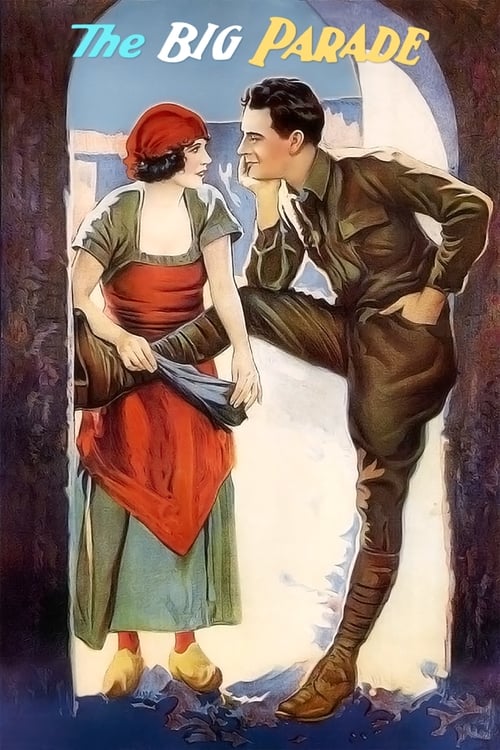
The Big Parade
The story of an idle rich boy who joins the US Army's Rainbow Division and is sent to France to fight in World War I, becomes friends with two working class men, experiences the horrors of trench warfare, and finds love with a French girl.
Despite its minimal budget of $382K, The Big Parade became a commercial juggernaut, earning $20.0M worldwide—a remarkable 5136% return. The film's bold vision engaged audiences, confirming that strong storytelling can transcend budget limitations.


Plot Structure
Story beats plotted across runtime


Narrative Arc
Emotional journey through the story's key moments
Story Circle
Blueprint 15-beat structure
Arcplot Score Breakdown
Weighted: Precision (70%) + Arc (15%) + Theme (15%)
The Big Parade (1925) exemplifies carefully calibrated story structure, characteristic of King Vidor's storytelling approach. This structural analysis examines how the film's 15-point plot structure maps to proven narrative frameworks across 2 hours and 31 minutes. With an Arcplot score of 7.4, the film balances conventional beats with creative variation.
Characters
Cast & narrative archetypes

James Apperson
Melisande
Slim
Bull
Mr. Apperson
Main Cast & Characters
James Apperson
Played by John Gilbert
A wealthy, privileged young man who enlists in WWI and is transformed by the horrors of war and the power of love.
Melisande
Played by Renée Adorée
A French farm girl who falls in love with Jim during the war, teaching him about simple humanity and genuine connection.
Slim
Played by Karl Dane
A construction worker and tobacco-chewing buddy who befriends Jim in the trenches, representing working-class camaraderie.
Bull
Played by Tom O'Brien
A barrel-maker and Jim's other close friend in the war, providing comic relief and loyal friendship.
Mr. Apperson
Played by Hobart Bosworth
Jim's wealthy father who initially embodies upper-class patriotic fervor and class prejudice.
Structural Analysis
The Status Quo at 2 minutes (1% through the runtime) establishes Jim Apperson lounges in his wealthy family's mansion, idle and directionless. He represents privileged American youth untouched by the realities of WWI.. Of particular interest, this early placement immediately immerses viewers in the story world.
The inciting incident occurs at 17 minutes when America enters WWI. A patriotic parade sweeps through town, and Jim is swept up in war fever, inspired by his brother's enlistment.. At 11% through the film, this Disruption aligns precisely with traditional story structure. This beat shifts the emotional landscape, launching the protagonist into the central conflict.
The First Threshold at 37 minutes marks the transition into Act II, occurring at 25% of the runtime. This shows the protagonist's commitment to Jim's unit ships out to France. He leaves American soil, crossing into the unknown world of war. The journey represents his point of no return., moving from reaction to action.
At 76 minutes, the Midpoint arrives at 50% of the runtime—precisely centered, creating perfect narrative symmetry. Of particular interest, this crucial beat Orders arrive: Jim's unit is moving to the front. The false victory of romance is shattered. The famous marching scene—soldiers march while loved ones chase—stakes are raised dramatically., fundamentally raising what's at risk. The emotional intensity shifts, dividing the narrative into clear before-and-after phases.
The Collapse moment at 112 minutes (74% through) represents the emotional nadir. Here, Jim is severely wounded in battle, losing his leg. He lies helpless in no man's land. His innocence, his body, and his old self die. Literal "whiff of death."., reveals the protagonist at their lowest point. This beat's placement in the final quarter sets up the climactic reversal.
The Second Threshold at 120 minutes initiates the final act resolution at 79% of the runtime. Jim decides to return to France to find Melisande. He synthesizes his war experience with his capacity for love—choosing connection over bitterness., demonstrating the transformation achieved throughout the journey.
Emotional Journey
The Big Parade's emotional architecture traces a deliberate progression across 15 carefully calibrated beats.
Narrative Framework
This structural analysis employs structural analysis methodology used to understand storytelling architecture. By mapping The Big Parade against these established plot points, we can identify how King Vidor utilizes or subverts traditional narrative conventions. The plot point approach reveals not only adherence to structural principles but also creative choices that distinguish The Big Parade within the romance genre.
King Vidor's Structural Approach
Among the 4 King Vidor films analyzed on Arcplot, the average structural score is 7.3, reflecting strong command of classical structure. The Big Parade represents one of the director's most structurally precise works. For comparative analysis, explore the complete King Vidor filmography.
Comparative Analysis
Additional romance films include South Pacific, Dirty Dancing: Havana Nights and The Evening Star. For more King Vidor analyses, see War and Peace, Solomon and Sheba and Duel in the Sun.
Plot Points by Act
Act I
SetupStatus Quo
Jim Apperson lounges in his wealthy family's mansion, idle and directionless. He represents privileged American youth untouched by the realities of WWI.
Theme
Jim's father or a family friend remarks on how war changes men, foreshadowing Jim's transformation from boy to man through brutal experience.
Worldbuilding
Establishment of Jim's privileged world, his family dynamics, the contrast between rich and working class, and the drumbeat of war approaching America.
Disruption
America enters WWI. A patriotic parade sweeps through town, and Jim is swept up in war fever, inspired by his brother's enlistment.
Resistance
Jim joins the army with his friends Bull and Slim. Boot camp, preparation, and farewell scenes. Jim still treats war as an adventure, not yet understanding its reality.
Act II
ConfrontationFirst Threshold
Jim's unit ships out to France. He leaves American soil, crossing into the unknown world of war. The journey represents his point of no return.
Mirror World
Jim meets Melisande, a French peasant girl, while billeted in her village. She represents genuine human connection, innocence, and love—the emotional "B story" that will carry the theme.
Premise
Jim and Melisande fall in love despite language barriers. Idyllic scenes of rural France, soldiers at rest, romance blooming. Jim experiences the "fun" of being a soldier before combat.
Midpoint
Orders arrive: Jim's unit is moving to the front. The false victory of romance is shattered. The famous marching scene—soldiers march while loved ones chase—stakes are raised dramatically.
Opposition
Brutal trench warfare. Jim and his buddies face artillery, gas attacks, and death. The horror of war intensifies. Slim is killed. Bull is wounded. Jim witnesses carnage.
Collapse
Jim is severely wounded in battle, losing his leg. He lies helpless in no man's land. His innocence, his body, and his old self die. Literal "whiff of death."
Crisis
Jim recovers in hospital, processing his trauma and loss. He's told he'll never walk properly again. Dark night of despair as he contemplates his shattered future.
Act III
ResolutionSecond Threshold
Jim decides to return to France to find Melisande. He synthesizes his war experience with his capacity for love—choosing connection over bitterness.
Synthesis
Jim journeys back to the devastated French village. He searches desperately for Melisande amid the ruins. The war is over but its scars remain.
Transformation
Jim and Melisande reunite. Despite his disability and the destruction around them, they embrace. Love survives war—a transformed man finds redemption through connection.