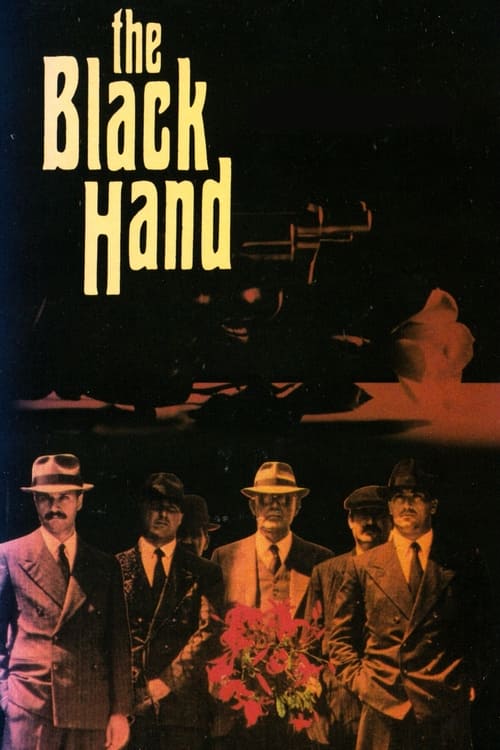
The Black Hand
Antonio, an Italian immigrant in New York finds himself drawn into the Mob when his options are limited and his desire to make a new life for himself becomes increasingly difficult.
The film earned $230.0M at the global box office.
Plot Structure
Story beats plotted across runtime


Narrative Arc
Emotional journey through the story's key moments
Story Circle
Blueprint 15-beat structure
Structural Analysis
The Status Quo at 1 minutes (1% through the runtime) establishes Italian immigrants struggle to build new lives in early 20th century New York, establishing the working-class community that will become the target of extortion.. Of particular interest, this early placement immediately immerses viewers in the story world.
The inciting incident occurs at 11 minutes when The Black Hand gang delivers an extortion letter bearing their infamous symbol, demanding payment or promising violence against the protagonist's family.. At 12% through the film, this Disruption aligns precisely with traditional story structure. This beat shifts the emotional landscape, launching the protagonist into the central conflict.
The First Threshold at 23 minutes marks the transition into Act II, occurring at 25% of the runtime. This demonstrates the protagonist's commitment to The protagonist refuses to pay and actively joins forces with law enforcement to expose the Black Hand, crossing from victim to crusader., moving from reaction to action.
At 45 minutes, the Midpoint arrives at 50% of the runtime—precisely centered, creating perfect narrative symmetry. Notably, this crucial beat A major breakthrough occurs—key evidence is obtained or a Black Hand leader is arrested—appearing to signal victory against the criminal organization., fundamentally raising what's at risk. The emotional intensity shifts, dividing the narrative into clear before-and-after phases.
The Collapse moment at 68 minutes (75% through) represents the emotional nadir. Here, A devastating blow—the death of a close ally, family member, or the betrayal of a trusted friend—leaves the protagonist isolated and the mission seemingly doomed., indicates the protagonist at their lowest point. This beat's placement in the final quarter sets up the climactic reversal.
The Second Threshold at 72 minutes initiates the final act resolution at 80% of the runtime. The protagonist discovers crucial evidence or receives unexpected community support, realizing that honoring the fallen means finishing the fight., demonstrating the transformation achieved throughout the journey.
Emotional Journey
The Black Hand's emotional architecture traces a deliberate progression across 15 carefully calibrated beats.
Narrative Framework
This structural analysis employs systematic plot point analysis that identifies crucial turning points. By mapping The Black Hand against these established plot points, we can identify how Antonio Racioppi utilizes or subverts traditional narrative conventions. The plot point approach reveals not only adherence to structural principles but also creative choices that distinguish The Black Hand within the crime genre.
Comparative Analysis
Additional crime films include The Bad Guys, Rustom and The Whole Ten Yards.
Plot Points by Act
Act I
SetupStatus Quo
Italian immigrants struggle to build new lives in early 20th century New York, establishing the working-class community that will become the target of extortion.
Theme
An elder warns that silence and fear are the Black Hand's greatest weapons—those who stand alone will fall, but those who unite can fight back.
Worldbuilding
The immigrant community's daily life is revealed—the shops, the families, the dreams of prosperity—while the shadow of organized crime looms over Little Italy.
Disruption
The Black Hand gang delivers an extortion letter bearing their infamous symbol, demanding payment or promising violence against the protagonist's family.
Resistance
The protagonist weighs his options—pay the extortion, flee, or fight. Community elders counsel submission while a sympathetic police detective offers an alternative path.
Act II
ConfrontationFirst Threshold
The protagonist refuses to pay and actively joins forces with law enforcement to expose the Black Hand, crossing from victim to crusader.
Mirror World
A relationship develops with either a love interest or fellow resistance fighter who embodies the courage to stand against oppression that the protagonist must learn.
Premise
The protagonist works undercover gathering evidence, navigating the dangerous criminal underworld while building trust with both police allies and resistant community members.
Midpoint
A major breakthrough occurs—key evidence is obtained or a Black Hand leader is arrested—appearing to signal victory against the criminal organization.
Opposition
The Black Hand retaliates viciously. Witnesses are intimidated or killed, the community turns fearful, and the protagonist's family faces direct threats as the gang's true power is revealed.
Collapse
A devastating blow—the death of a close ally, family member, or the betrayal of a trusted friend—leaves the protagonist isolated and the mission seemingly doomed.
Crisis
In the aftermath of tragedy, the protagonist grieves and contemplates abandoning the fight. The cost of resistance weighs heavily as fear threatens to win.
Act III
ResolutionSecond Threshold
The protagonist discovers crucial evidence or receives unexpected community support, realizing that honoring the fallen means finishing the fight.
Synthesis
The final confrontation unfolds as the protagonist leads a coordinated effort to bring down the Black Hand leadership, combining community solidarity with legal action.
Transformation
The Black Hand is defeated. The protagonist stands transformed—no longer a fearful immigrant but a symbol of courage who proved that unity conquers terror.