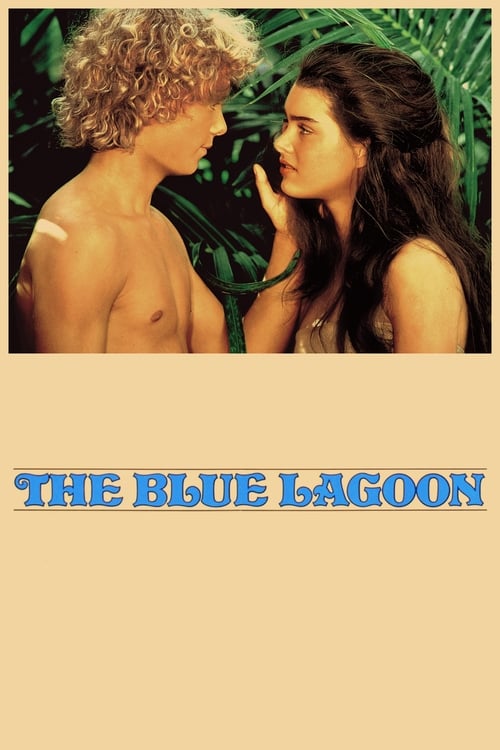
The Blue Lagoon
Two small children and a ship's cook survive a shipwreck and find safety on an idyllic tropical island. Soon, however, the cook dies and the young boy and girl are left on their own. Days become years and Emmeline and Richard make a home for themselves surrounded by exotic creatures and nature's beauty. But will they ever see civilization again?
Despite its tight budget of $4.5M, The Blue Lagoon became a runaway success, earning $58.9M worldwide—a remarkable 1208% return. The film's distinctive approach connected with viewers, illustrating how strong storytelling can transcend budget limitations.
Nominated for 1 Oscar. 4 wins & 8 nominations


Plot Structure
Story beats plotted across runtime


Narrative Arc
Emotional journey through the story's key moments
Story Circle
Blueprint 15-beat structure
Arcplot Score Breakdown
Weighted: Precision (70%) + Arc (15%) + Theme (15%)
The Blue Lagoon (1980) showcases strategically placed narrative design, characteristic of Randal Kleiser's storytelling approach. This structural analysis examines how the film's 15-point plot structure maps to proven narrative frameworks across 1 hour and 44 minutes. With an Arcplot score of 5.6, the film takes an unconventional approach to traditional narrative frameworks.
Characters
Cast & narrative archetypes

Emmeline Lestrange
Richard Lestrange
Paddy Button
Main Cast & Characters
Emmeline Lestrange
Played by Brooke Shields
A young girl shipwrecked on a tropical island who grows into womanhood in isolation, discovering love and motherhood naturally.
Richard Lestrange
Played by Christopher Atkins
Emmeline's cousin, shipwrecked with her as a child, who matures into manhood on the island and becomes her companion and lover.
Paddy Button
Played by Leo McKern
An old sailor who becomes guardian to the children after the shipwreck, teaching them survival skills before his death.
Structural Analysis
The Status Quo at 1 minutes (1% through the runtime) establishes Young Emmeline and Richard are aboard a ship with Richard's father Arthur, living a comfortable Victorian-era life at sea, representing civilized innocence before catastrophe.. Of particular interest, this early placement immediately immerses viewers in the story world.
The inciting incident occurs at 12 minutes when The ship catches fire, forcing the children and Paddy into a lifeboat. They are separated from Richard's father and cast adrift, disrupting their civilized world forever.. At 12% through the film, this Disruption aligns precisely with traditional story structure. This beat shifts the emotional landscape, launching the protagonist into the central conflict.
The First Threshold at 26 minutes marks the transition into Act II, occurring at 25% of the runtime. This indicates the protagonist's commitment to Paddy Button dies from drinking fermented coconut juice, leaving the children completely alone. They must now survive entirely on their own, crossing into a world without adult guidance., moving from reaction to action.
At 52 minutes, the Midpoint arrives at 50% of the runtime—precisely centered, creating perfect narrative symmetry. Notably, this crucial beat Now teenagers, Richard and Emmeline consummate their relationship, transforming from innocent children into lovers. This false victory marks their awakening but also begins the complications ahead., fundamentally raising what's at risk. The emotional intensity shifts, dividing the narrative into clear before-and-after phases.
The Collapse moment at 78 minutes (75% through) represents the emotional nadir. Here, Their baby Paddy accidentally drifts out to sea in the boat. Richard and Emmeline pursue desperately, but the boat floats beyond the reef, stranding all three in open ocean with no way back to the island., shows the protagonist at their lowest point. This beat's placement in the final quarter sets up the climactic reversal.
The Second Threshold at 83 minutes initiates the final act resolution at 80% of the runtime. Starving and desperate, they discover never-wake berries in the boat. Understanding these berries cause death-like sleep, they choose to eat them together as a family rather than suffer., demonstrating the transformation achieved throughout the journey.
Emotional Journey
The Blue Lagoon's emotional architecture traces a deliberate progression across 15 carefully calibrated beats.
Narrative Framework
This structural analysis employs systematic plot point analysis that identifies crucial turning points. By mapping The Blue Lagoon against these established plot points, we can identify how Randal Kleiser utilizes or subverts traditional narrative conventions. The plot point approach reveals not only adherence to structural principles but also creative choices that distinguish The Blue Lagoon within the adventure genre.
Randal Kleiser's Structural Approach
Among the 5 Randal Kleiser films analyzed on Arcplot, the average structural score is 6.9, demonstrating varied approaches to story architecture. The Blue Lagoon takes a more unconventional approach compared to the director's typical style. For comparative analysis, explore the complete Randal Kleiser filmography.
Comparative Analysis
Additional adventure films include The Black Stallion, The Bad Guys and Puss in Boots. For more Randal Kleiser analyses, see Big Top Pee-wee, Honey, I Blew Up the Kid and Grease.
Plot Points by Act
Act I
SetupStatus Quo
Young Emmeline and Richard are aboard a ship with Richard's father Arthur, living a comfortable Victorian-era life at sea, representing civilized innocence before catastrophe.
Theme
Paddy Button warns the children about the dangers and mysteries of nature, foreshadowing the film's exploration of how humans discover love and identity when stripped of society's rules.
Worldbuilding
The shipboard life establishes the children's civilized upbringing, their innocence, and their relationship with the cook Paddy Button, while setting up the Victorian values they will eventually shed.
Disruption
The ship catches fire, forcing the children and Paddy into a lifeboat. They are separated from Richard's father and cast adrift, disrupting their civilized world forever.
Resistance
Paddy Button guides the children to survival on the island, teaching them to fish, build shelter, and avoid dangers like the "bloody beware" side of the island with its native rituals.
Act II
ConfrontationFirst Threshold
Paddy Button dies from drinking fermented coconut juice, leaving the children completely alone. They must now survive entirely on their own, crossing into a world without adult guidance.
Mirror World
The children discover the lush interior of the island and make it their new home, symbolizing their transition from survival mode to building a life together as they begin to grow up.
Premise
Richard and Emmeline grow from children into adolescents on the island, learning to thrive in nature, experiencing physical changes, and developing confusing feelings they don't understand.
Midpoint
Now teenagers, Richard and Emmeline consummate their relationship, transforming from innocent children into lovers. This false victory marks their awakening but also begins the complications ahead.
Opposition
The young couple faces the challenges of their relationship and survival, including jealousy, Emmeline's mysterious pregnancy she doesn't understand, dangerous encounters with sharks, and the threatening natives on the forbidden side of the island.
Collapse
Their baby Paddy accidentally drifts out to sea in the boat. Richard and Emmeline pursue desperately, but the boat floats beyond the reef, stranding all three in open ocean with no way back to the island.
Crisis
Adrift at sea with their baby, the young family faces starvation and exposure. They have lost their island paradise and seem doomed to die in the vast ocean.
Act III
ResolutionSecond Threshold
Starving and desperate, they discover never-wake berries in the boat. Understanding these berries cause death-like sleep, they choose to eat them together as a family rather than suffer.
Synthesis
The family drifts unconscious in the boat. Arthur Lestrange, who has spent years searching for his son, finally spots the boat. His ship approaches the seemingly lifeless bodies.
Transformation
Arthur asks if they are dead, and the ship's officer replies "No sir, they're asleep." The family is rescued, having survived their natural paradise to potentially rejoin civilization, transformed from Victorian children into a primal family unit.