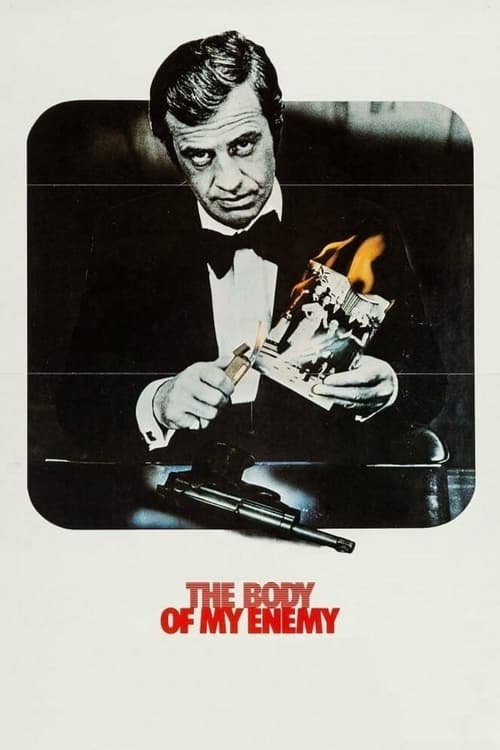
The Body of My Enemy
A man accused of murder discovers a trail of corruption leading to the powerful family of his former love. Going underground, he seeks allies in a town where trust is scarce.
Despite its limited budget of $2.6M, The Body of My Enemy became a box office success, earning $13.3M worldwide—a 421% return. The film's distinctive approach resonated with audiences, confirming that strong storytelling can transcend budget limitations.
Plot Structure
Story beats plotted across runtime


Narrative Arc
Emotional journey through the story's key moments
Story Circle
Blueprint 15-beat structure
Arcplot Score Breakdown
Weighted: Precision (70%) + Arc (15%) + Theme (15%)
The Body of My Enemy (1976) exhibits precise plot construction, characteristic of Henri Verneuil's storytelling approach. This structural analysis examines how the film's 15-point plot structure maps to proven narrative frameworks across 2 hours. With an Arcplot score of 6.8, the film balances conventional beats with creative variation.
Characters
Cast & narrative archetypes

François Leclercq
Gilberte
Thorent
Jeanne
Kasper
Main Cast & Characters
François Leclercq
Played by Jean-Paul Belmondo
An ex-convict who returns to his hometown after seven years in prison to prove his innocence and uncover who framed him for murder.
Gilberte
Played by Marie-France Pisier
François's former lover who has moved on with her life during his imprisonment, torn between past feelings and present reality.
Thorent
Played by Bernard Blier
A powerful and corrupt businessman who may hold the key to François's past and the truth about his conviction.
Jeanne
Played by Françoise Fabian
A mysterious woman connected to the conspiracy who becomes involved with François during his investigation.
Kasper
Played by Charles Denner
A ruthless enforcer and antagonist who works to stop François from uncovering the truth.
Structural Analysis
The Status Quo at 1 minutes (1% through the runtime) establishes François Leclercq walks out of prison gates after seven years, a free man but marked by injustice. The grey industrial landscape of Northern France stretches before him, setting up a world of corruption and class warfare.. Of particular interest, this early placement immediately immerses viewers in the story world.
The inciting incident occurs at 14 minutes when François encounters evidence that the people who framed him are still thriving and have grown even more powerful. He commits to investigating and exposing the truth about his wrongful conviction rather than simply moving on with his life.. At 12% through the film, this Disruption aligns precisely with traditional story structure. This beat shifts the emotional landscape, launching the protagonist into the central conflict.
The First Threshold at 30 minutes marks the transition into Act II, occurring at 25% of the runtime. This demonstrates the protagonist's commitment to François makes the active choice to pursue systematic revenge against those who destroyed him. He begins gathering evidence and reconnecting with people from his past who might help expose the conspiracy., moving from reaction to action.
At 60 minutes, the Midpoint arrives at 50% of the runtime—precisely centered, creating perfect narrative symmetry. Notably, this crucial beat François discovers a key piece of evidence linking the Langue family directly to the frame-up. This false victory moment raises the stakes—he now has proof but realizes the conspiracy goes deeper than he imagined, involving murder and corruption at the highest levels., fundamentally raising what's at risk. The emotional intensity shifts, dividing the narrative into clear before-and-after phases.
The Collapse moment at 90 minutes (75% through) represents the emotional nadir. Here, A key witness who could have corroborated François's evidence is found dead. François realizes his enemies will stop at nothing, and he may lose everything again—including Gilberte, who appears to have been turned against him by her family., indicates the protagonist at their lowest point. This beat's placement in the final quarter sets up the climactic reversal.
The Second Threshold at 96 minutes initiates the final act resolution at 80% of the runtime. Gilberte secretly provides François with the final piece of evidence—documents her father kept hidden. Her choice of love over family loyalty gives François both the proof he needs and renewed faith in human connection., demonstrating the transformation achieved throughout the journey.
Emotional Journey
The Body of My Enemy's emotional architecture traces a deliberate progression across 15 carefully calibrated beats.
Narrative Framework
This structural analysis employs proven narrative structure principles that track dramatic progression. By mapping The Body of My Enemy against these established plot points, we can identify how Henri Verneuil utilizes or subverts traditional narrative conventions. The plot point approach reveals not only adherence to structural principles but also creative choices that distinguish The Body of My Enemy within the crime genre.
Henri Verneuil's Structural Approach
Among the 2 Henri Verneuil films analyzed on Arcplot, the average structural score is 6.8, demonstrating varied approaches to story architecture. The Body of My Enemy exemplifies the director's characteristic narrative technique. For comparative analysis, explore the complete Henri Verneuil filmography.
Comparative Analysis
Additional crime films include The Bad Guys, Rustom and The Whole Ten Yards. For more Henri Verneuil analyses, see The Burglars.
Plot Points by Act
Act I
SetupStatus Quo
François Leclercq walks out of prison gates after seven years, a free man but marked by injustice. The grey industrial landscape of Northern France stretches before him, setting up a world of corruption and class warfare.
Theme
A former associate remarks that in this town, "the rich protect their own and crush anyone who tries to climb too high." The theme of class warfare and systemic corruption is established.
Worldbuilding
Through flashbacks and present-day scenes, we see François's dual reality: his current status as a disgraced ex-convict and memories of his humble origins as an ambitious young man in the textile industry of Northern France. The corrupt power structure of the Langue family and their associates is established.
Disruption
François encounters evidence that the people who framed him are still thriving and have grown even more powerful. He commits to investigating and exposing the truth about his wrongful conviction rather than simply moving on with his life.
Resistance
François debates his path forward while flashbacks reveal his rise from poverty. We see his younger self guided by ambition and business acumen, while present-day François weighs revenge against starting fresh. Old contacts provide fragments of information about what really happened.
Act II
ConfrontationFirst Threshold
François makes the active choice to pursue systematic revenge against those who destroyed him. He begins gathering evidence and reconnecting with people from his past who might help expose the conspiracy.
Mirror World
Gilberte Langue reappears in François's life. Their complicated relationship—she is the daughter of his enemy yet loved him—represents the thematic tension between love and loyalty, personal desire and family obligation. Their connection carries the emotional weight of the story.
Premise
François systematically investigates his past while flashbacks reveal his courtship of Gilberte and his business success. We see the promise of the premise: a wronged man piecing together the conspiracy against him, confronting old enemies, and navigating the dangerous waters of the corrupt elite.
Midpoint
François discovers a key piece of evidence linking the Langue family directly to the frame-up. This false victory moment raises the stakes—he now has proof but realizes the conspiracy goes deeper than he imagined, involving murder and corruption at the highest levels.
Opposition
The powerful forces that framed François become aware of his investigation and begin closing in. Witnesses are intimidated or disappear. Gilberte is caught between her love for François and pressure from her family. François's allies begin to waver as the danger increases.
Collapse
A key witness who could have corroborated François's evidence is found dead. François realizes his enemies will stop at nothing, and he may lose everything again—including Gilberte, who appears to have been turned against him by her family.
Crisis
François processes the apparent defeat. He reflects on the seven years lost, the love that may be forever poisoned by family loyalty, and whether justice is even possible against such entrenched power. His dark night of the soul tests his resolve.
Act III
ResolutionSecond Threshold
Gilberte secretly provides François with the final piece of evidence—documents her father kept hidden. Her choice of love over family loyalty gives François both the proof he needs and renewed faith in human connection.
Synthesis
François confronts the Langue family and their co-conspirators with the evidence. The truth about the frame-up and the murders is exposed. The corrupt elite face the consequences of their actions as their carefully constructed world of privilege and lies collapses around them.
Transformation
François walks free once more, but this time truly free—his name cleared, his enemies exposed. Unlike the opening image of a man leaving prison still carrying the weight of injustice, he now leaves the past behind. Gilberte waits for him, choosing love over legacy.