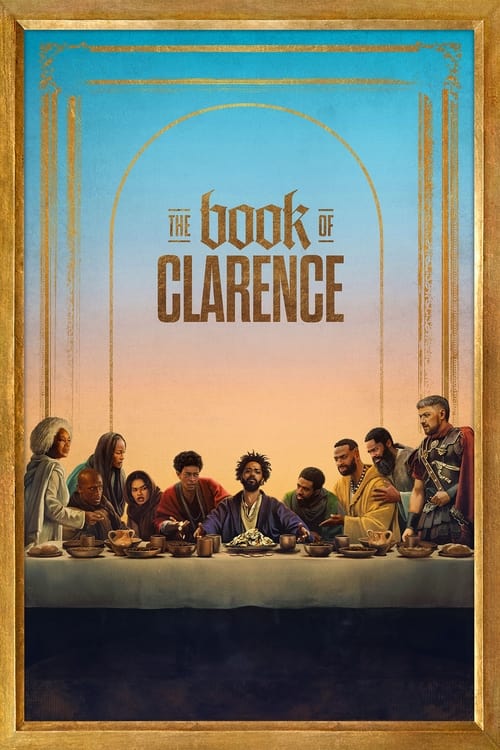
The Book of Clarence
N/A
The film financial setback against its mid-range budget of $40.0M, earning $6.2M globally (-84% loss). While initial box office returns were modest, the film has gained appreciation for its unique voice within the n/a genre.


Plot Structure
Story beats plotted across runtime


Narrative Arc
Emotional journey through the story's key moments
Story Circle
Blueprint 15-beat structure
Arcplot Score Breakdown
Weighted: Precision (70%) + Arc (15%) + Theme (15%)
The Book of Clarence (2024) showcases precise narrative design, characteristic of Jeymes Samuel's storytelling approach. This structural analysis examines how the film's 15-point plot structure maps to proven narrative frameworks across 2 hours and 9 minutes. With an Arcplot score of 7.4, the film balances conventional beats with creative variation.
Structural Analysis
The Status Quo at 2 minutes (2% through the runtime) establishes Clarence is a struggling, debt-ridden chariot racer in 33 A.D. Jerusalem, living in the shadow of his more successful twin brother Thomas (one of Jesus' apostles). He hustles and schemes to survive, dismissed and disrespected by those around him.. Of particular interest, this early placement immediately immerses viewers in the story world.
The inciting incident occurs at 15 minutes when Clarence conceives a scheme: he will pretend to be the Messiah to gain wealth, fame, and Varinia's attention. This plan is born from desperation and jealousy of his brother's purpose and Jesus' following.. At 12% through the film, this Disruption aligns precisely with traditional story structure. This beat shifts the emotional landscape, launching the protagonist into the central conflict.
The First Threshold at 32 minutes marks the transition into Act II, occurring at 25% of the runtime. This illustrates the protagonist's commitment to Clarence publicly declares himself "the Messiah" and commits fully to the con. This irreversible choice launches him into the new world of being a false prophet, attracting followers and the attention of Roman authorities., moving from reaction to action.
At 63 minutes, the Midpoint arrives at 49% of the runtime—precisely centered, creating perfect narrative symmetry. Significantly, this crucial beat False defeat: Clarence is exposed or confronted about his deception by someone who matters (possibly his brother Thomas or Varinia), or the Romans take serious notice of him as a threat. The stakes raise dramatically - this is no longer a harmless con., fundamentally raising what's at risk. The emotional intensity shifts, dividing the narrative into clear before-and-after phases.
The Collapse moment at 95 minutes (74% through) represents the emotional nadir. Here, Clarence is arrested and condemned to crucifixion by the Romans. His con has led to his death sentence. A friend may die, or he fully realizes the cost of his deception. The "whiff of death" is literal - he will be executed., demonstrates the protagonist at their lowest point. This beat's placement in the final quarter sets up the climactic reversal.
The Second Threshold at 102 minutes initiates the final act resolution at 79% of the runtime. Clarence experiences genuine faith or performs a real act of selfless sacrifice. He synthesizes what he learned from Jesus' teachings, his brother's example, and Varinia's love. He chooses authentic belief over self-preservation., demonstrating the transformation achieved throughout the journey.
Emotional Journey
The Book of Clarence's emotional architecture traces a deliberate progression across 15 carefully calibrated beats.
Narrative Framework
This structural analysis employs structural analysis methodology used to understand storytelling architecture. By mapping The Book of Clarence against these established plot points, we can identify how Jeymes Samuel utilizes or subverts traditional narrative conventions. The plot point approach reveals not only adherence to structural principles but also creative choices that distinguish The Book of Clarence within the n/a genre.
Comparative Analysis
Additional n/a films include Roald Dahl's Matilda the Musical, I Care a Lot and The Blackening.
Plot Points by Act
Act I
SetupStatus Quo
Clarence is a struggling, debt-ridden chariot racer in 33 A.D. Jerusalem, living in the shadow of his more successful twin brother Thomas (one of Jesus' apostles). He hustles and schemes to survive, dismissed and disrespected by those around him.
Theme
A character challenges Clarence about belief and faith, questioning what one is willing to sacrifice for what they claim to believe. The theme of authentic faith versus performative religion is established.
Worldbuilding
We see Clarence's world: his debts to a local gangster Jedediah, his unrequited love for Varinia, his twin brother Thomas's status as an apostle, the Roman occupation, and Jesus' growing movement. Clarence is a hustler and non-believer in a time of messianic fervor.
Disruption
Clarence conceives a scheme: he will pretend to be the Messiah to gain wealth, fame, and Varinia's attention. This plan is born from desperation and jealousy of his brother's purpose and Jesus' following.
Resistance
Clarence assembles a ragtag group of "apostles" (including friends Elijah and Barabbas) and begins staging fake miracles. He debates whether this con is sustainable, but his desire for recognition and to pay off his debts drives him forward despite warnings.
Act II
ConfrontationFirst Threshold
Clarence publicly declares himself "the Messiah" and commits fully to the con. This irreversible choice launches him into the new world of being a false prophet, attracting followers and the attention of Roman authorities.
Mirror World
Clarence's relationship with Varinia deepens as she begins to believe in him, and he encounters the real apostles and Jesus' teachings more directly. This subplot will teach him about authentic faith and selfless love versus his selfish motivations.
Premise
The fun of the premise: Clarence performs increasingly elaborate fake miracles, gains followers, enjoys newfound respect and wealth. The comedy and spectacle of a con artist pretending to be the Messiah in Jesus' Jerusalem. Things seem to be working.
Midpoint
False defeat: Clarence is exposed or confronted about his deception by someone who matters (possibly his brother Thomas or Varinia), or the Romans take serious notice of him as a threat. The stakes raise dramatically - this is no longer a harmless con.
Opposition
The Romans and religious authorities close in. Clarence's lies compound. His followers expect real miracles. Varinia's faith in him creates guilt. His brother and the real apostles represent what genuine belief looks like. Everything gets harder as the weight of the deception crushes him.
Collapse
Clarence is arrested and condemned to crucifixion by the Romans. His con has led to his death sentence. A friend may die, or he fully realizes the cost of his deception. The "whiff of death" is literal - he will be executed.
Crisis
Clarence faces his mortality and the emptiness of his life of cons and selfishness. In his darkest hour, he confronts what he truly believes and who he wants to be. The dark night before potential redemption.
Act III
ResolutionSecond Threshold
Clarence experiences genuine faith or performs a real act of selfless sacrifice. He synthesizes what he learned from Jesus' teachings, his brother's example, and Varinia's love. He chooses authentic belief over self-preservation.
Synthesis
The finale unfolds with Clarence's crucifixion, but now he faces it with genuine faith rather than as a desperate con man. His transformation is complete. He may experience a genuine miracle or divine grace, validating his newfound authentic belief.
Transformation
The closing image mirrors the opening but shows transformation: Clarence, once a selfish hustler dismissed by all, has become someone of genuine faith and purpose. Whether in death or miraculous survival, he is no longer the same man who sought glory through deception.